The benefits of biometrics for mobile security are real, but they come with limits every phone owner should know. Consequently, this guide has been rebuilt on official security guidance. Furthermore, your fingerprint unlocks the device, while your passcode still guards it. Here is the honest balance.
Key Takeaways
- Biometrics cannot be guessed or forgotten like passwords.
- Phone templates are stored so they cannot be reversed.
- A strong passcode remains the fallback and the foundation.
- Spoofing and asleep-unlock risks exist on weaker systems.
The Benefits of Biometrics for Mobile Security
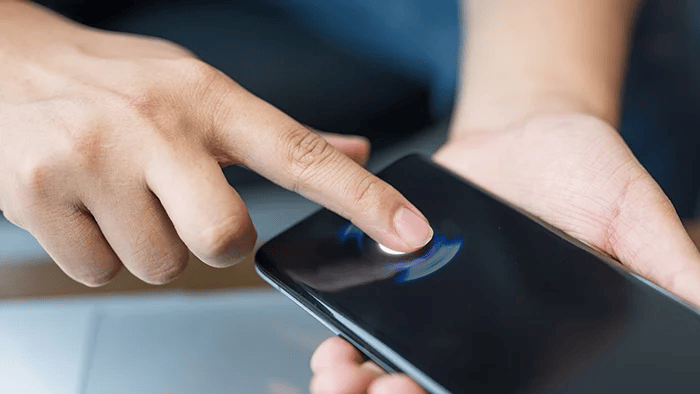
The UK National Cyber Security Centre’s device guidance on using biometrics says face and fingerprint recognition are the commonest phone methods. It notes that stored samples are held so they cannot be reversed into your original face or fingerprint. Additionally, it rates biometrics a secure and far more convenient alternative to passwords. Consequently, people actually keep them switched on.
How Strong Are Phone Biometrics?
The NCSC cites a typical false acceptance rate below one in a thousand on modern devices. Furthermore, Apple reports under one in a million for a random person unlocking with Face ID. Biometrics also resist phishing, because there is nothing to type into a fake page. Additionally, they remove the reused-password problem entirely for device unlock. Speed is itself a security feature here.
The Risks You Should Not Ignore
Presentation attacks use artefacts to impersonate a valid user. Additionally, some face systems have unlocked while owners slept with eyes shut. A captured sample can sometimes be replayed against weak sensors. Furthermore, unlike a password, a compromised fingerprint cannot be reissued. Therefore, biometrics should protect the passcode, never replace it in importance.
Verdict: Use Both, Trust Neither Alone
Enable face or fingerprint unlock for daily convenience and safety. Additionally, set a long, unique device passcode behind it. The benefits of biometrics for mobile security are strongest in that pairing.
In short, biometrics guard the door. The passcode still owns the house.