Wearables · Updated September 19, 2026
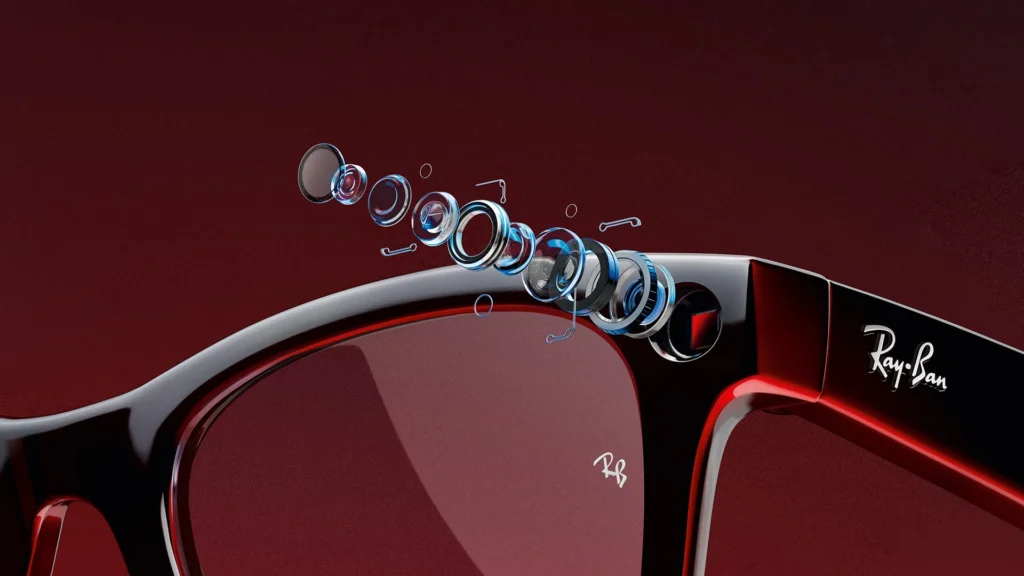
Meta is not killing Ray-Ban cameras. However, it is reportedly adding a quieter product—internally code-named Luna—because the camera glasses that sold millions also created a massive public-relations problem that Meta cannot patch with a tiny LED light.
⚡ Quick Facts: The Luna Rumor
- The Leak: Meta is reportedly preparing to launch camera-free smart glasses, code-named Luna.
- Hardware Shift: The glasses swap the outward-facing camera for six microphones and an AI-activation button.
- The Catalyst: The move addresses severe backlash and venue bans stemming from covert recording concerns.
- The Reveal: An official announcement is highly anticipated at the Meta Connect conference on September 23–24, 2026.
What the Luna Rumor Actually Says
On September 15, 2026, Reuters and several tech outlets amplified a report from The Information indicating that Meta is preparing a completely camera-free pair of smart glasses. The reported spec sheet is short on purpose.
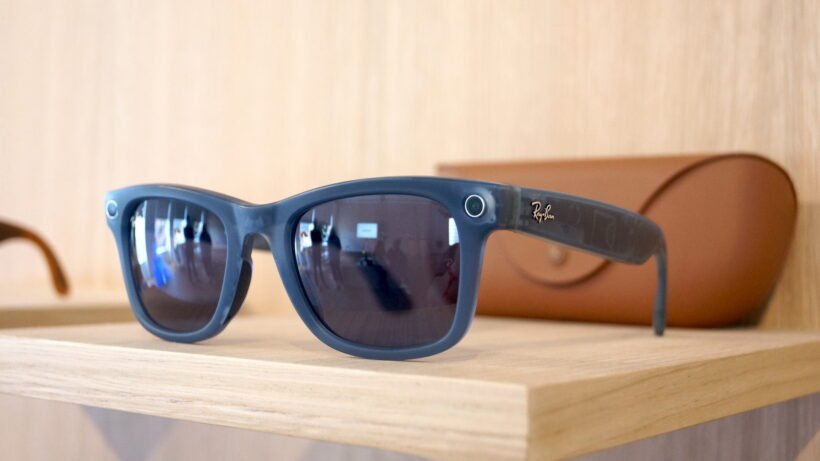
Luna will reportedly feature no outward camera and zero photo or video capture capabilities. Instead, the device relies on six microphones to facilitate conversations with Meta AI and Muse (Meta’s consumer AI agent). Wearers will utilize open-ear speakers—similar to current Ray-Ban Meta frames—and summon the assistant via a dedicated temple button.
Crucially, deleting the camera stack allows for slimmer arms, making the frames look practically identical to normal eyewear. Leaks suggest the line will debut in two styles, nicknamed Clubmaster and Burbank.
Major tech publications have treated this as a tightly sourced hardware plan. While Meta has not officially confirmed the name or price, the industry expects Luna to debut at Meta Connect on September 23–24, with shipments targeted for October.
Meta is Not Stopping Camera Glasses
This rumor is easy to overread. Meta is not pulling Ray-Ban Meta or its house-brand camera glasses off the market. Those products still have cameras, and they are the precise reason the category finally gained traction. EssilorLuxottica recently noted the partnership moved millions of AI glasses in 2025.
Camera capture remains the core demo that sells pairs in retail stores (if you are looking for dedicated capture hardware, the upcoming Insta360 Luna Ultra might be a better fit than smart glasses anyway). What has actually changed is product segmentation. Meta is keeping the camera line for creators while launching a quieter line for consumers who want an always-there assistant without paying the heavy social tax.
Why This is Happening Now
Success placed millions of face-worn cameras into streets, gyms, transit systems, and bars. A small group used that hardware to film strangers without consent. Consequently, headlines and comment sections quickly branded the hardware as “perv glasses.”
Meta’s privacy answer has always been a white capture LED. However, that defense failed the cat-and-mouse game. When people taped over it, Meta blocked recording. When modders drilled the LED out, Meta pushed aggressive firmware updates to disable cameras on tampered units. Yet, cheap sticker workarounds still persist.
Furthermore, venues started banning the hardware outright. Courts, cinemas, and pub chains have severely restricted recording eyewear. A camera-free SKU is the only version that can seamlessly walk into those rooms without triggering a strict policy fight.
Will Camera-Free Glasses Actually Help?
Yes, for bystander video. No lens means no covert 3K clips of strangers on a train. It is the only definitive privacy fix that does not rely on an LED or the wearer’s manners. Social friction drops immediately, making environments like offices and gyms far easier to navigate.
No, if you equate “no camera” with total privacy. Luna is rumored to carry six microphones, and there is no established “listening light” convention for face-worn mics. A device that looks like ordinary glasses but can clearly record a conversation from two meters away creates an audio version of the exact same bystander problem. In fact, privacy concerns around Meta’s AI are growing so loud that users are already searching for how to remove Meta AI from WhatsApp entirely.
What You Lose When the Camera Comes Out
People currently buy Meta glasses to shoot POV video, livestream, and ask visual questions. Luna cannot do that. Live AI that needs to analyze the world around you requires a sensor pointed at that world. Consequently, camera-free glasses split the product line in two: capture glasses versus assistant glasses. That split is healthy, as pretending one frame can serve as both a street camera and a polite office tool is exactly what created the initial backlash.
Best Alternatives if You Do Not Want to Wait
You do not need to wait for Meta to officially launch Luna. The market has already segmented into highly useful, camera-free alternatives. If you are comparing the broader landscape, our detailed comparison of Ray-Ban Meta vs. Xiaomi AI Smart Glasses offers a great look at the camera-equipped competition.
| Product | Camera? | Core Features | Approx. Price |
|---|---|---|---|
| Meta Luna (Rumored) | No | AI audio assistant, 6 microphones, slim frame | TBD |
| Even Realities G1 / G2 | No | Discreet monochrome HUD for notifications and translation | ~$599 |
| Halliday G2 | No | Live captions, meeting assistant, micro-LED waveguides | $599 |
| RayNeo iO | No | Ultra-light (33g) HUD with live translation | ~$449 |
| Amazon Echo Frames (3rd Gen) | No | Alexa voice access, open-ear audio | ~$269 |
How to Choose
- Want to film your life? Stick with camera-equipped Meta frames or a smartphone. Luna is the wrong product.
- Want an assistant without the camera stare? Wait for Luna if you are already entrenched in the Meta AI ecosystem, or purchase Echo Frames today.
- Need discreet text in your lens? Opt for the Even Realities G2 or RayNeo iO.
- Care heavily about data privacy? Camera-free is necessary but not sufficient. Always review where your voice transcripts are being sent and stored.