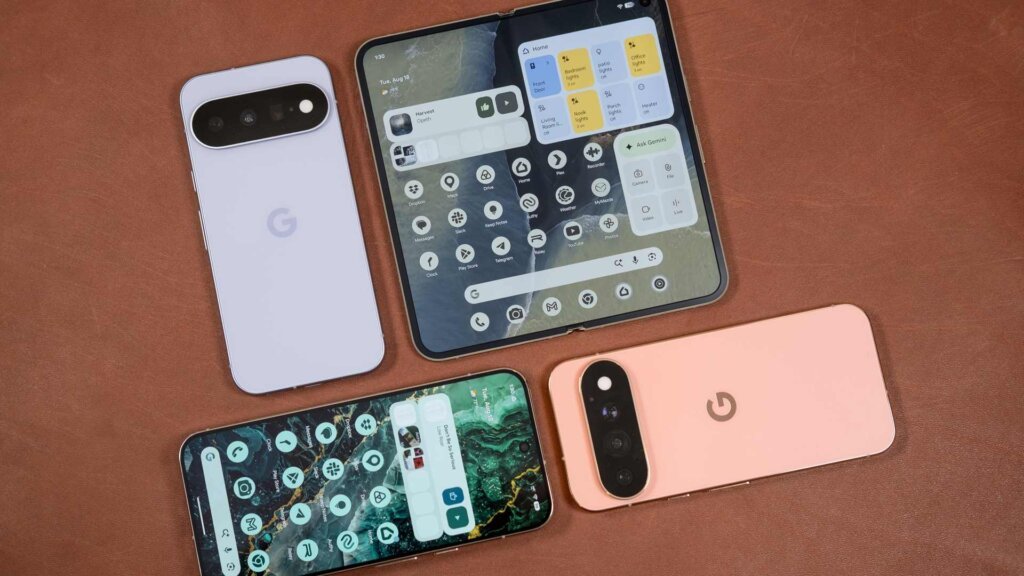
The highly anticipated Google Pixel 11 series just hit retail shelves this August. Sporting a 2nm Tensor G6 chip, deep Gemini Intelligence integration, and a long-awaited switch to a MediaTek modem, it is undeniably a gorgeous slab of tech. Early mainstream reviews immediately praised its refined curves and snappy UI. However, as the honeymoon phase abruptly wears off, the Tech Mansion community and global Reddit forums are already lighting up with familiar frustrations.
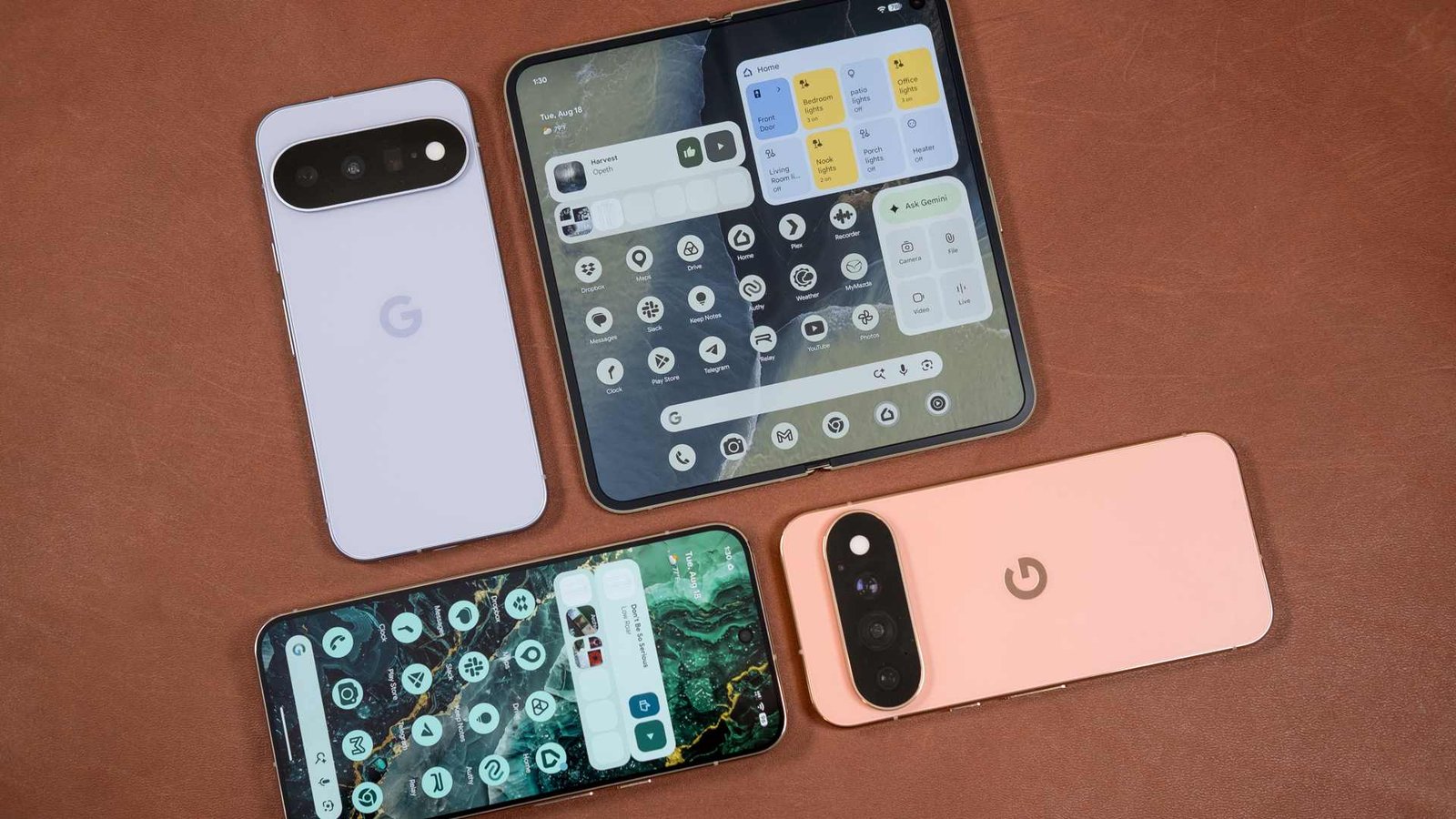
If Google wants to truly dominate the premium smartphone market and justify its brutal new $1,299 ceiling next year, iterative tweaks will not cut it. Therefore, we have compiled the definitive Pixel 12 hardware wishlist: what must be fixed, what needs tweaking, and what should be thrown directly in the trash.
Evolution of Pixel Hardware Complaints
Relative volume of Reddit/Community complaints during launch week, segmented by generation.1. The GPU Throttling & Charging Nightmare
Credit where credit is due: the new MediaTek modem finally resolved the infamous dead-zone connectivity drops that plagued older Exynos hardware. Unfortunately, the internal heat issues merely shifted rather than disappearing entirely.
Recent teardowns and benchmark reports reveal that the Pixel 11 Pro is actively suffering from severe GPU throttling. In stress tests, graphics scores plummet to roughly a tenth of their peak performance the moment the phone hits 98°F (36.7°C). Furthermore, users report the device aggressively throttles charging speeds under similar thermal loads, dropping from a peak 30W down to a crawling 5W to protect the silicon. Consequently, utilizing GPS in a sunny car essentially stalls battery replenishment completely.
2. Stop with the Gimmicks (We’re Looking at You, HiLight)
Google introduced the “HiLight” LED ring on the back of the Pixel 11 Pro models. In theory, it signals Gemini interactions and color-codes incoming calls. In practice, power users are already dismissing it as a useless gimmick.
To accommodate this RGB array, Google compromised core functionality. The actual, functional flashlight on the Pixel 11 is measurably dimmer than the Pixel 10. We do not need a Nothing Phone imitation. Ultimately, if Google wants physical hardware interactions, they should bring back the highly missed Active Edge (squeeze-to-activate) feature, or look at practical hardware integrations similar to the Motorola Edge 70 Pro features that actively enhance usability.
3. The Weight Problem
For the Pixel 12, Google desperately needs to put its hardware on a diet. A staggering 65% of early launch complaints center entirely on the sheer heft of the new devices.
The Pixel 11 Pro weighs in at 196 grams, making it noticeably heavier than equivalent flagships like the Galaxy S26 (167g) or the iPhone 17 (177g). In fact, consumers upgrading from older, lighter devices—like those documented in our guide to the iPhone 16 in Nigeria—are finding the transition jarring. When you inevitably slap a case on this chunky chassis, it quickly breaches the 200-gram threshold. Users are tired of lugging around dense hardware without receiving a massive battery capacity upgrade in return.
The “Hamster Wheel” Hardware Gap
Many long-time fans feel trapped in an expensive, repetitive upgrade cycle. Even utilizing aggressive trade-in promotions, moving from a Pixel 10 to an 11 Pro XL still costs around $400 out of pocket. For the Pixel 12 to genuinely justify that recurring premium, Google must stop relying purely on software magic. The physical hardware must evolve.
| The Pixel 11 Problem | The Pixel 12 Solution |
|---|---|
| Performance Severe GPU Throttling Benchmarks reveal graphics performance collapses by 90% when the Tensor G6 hits 98°F. | Robust Vapor Cooling Google must install a larger vapor chamber and rework its thermal management logic to sustain peak speeds. |
| Hardware Useless LED Gimmicks The “HiLight” ring compromised the actual flashlight, resulting in a 10-20% dimmer beam. | Restore Utility Ditch the RGB array, restore maximum flashlight brightness, and explore functional hardware like Active Edge. |
| Design Excessive Weight The 196g Pixel 11 Pro is significantly heavier than direct Apple and Samsung competitors. | Material Overhaul Utilize lighter chassis materials (e.g., Titanium alloy) and vastly improve internal weight distribution. |