Flagship Analysis · Updated September 18, 2026
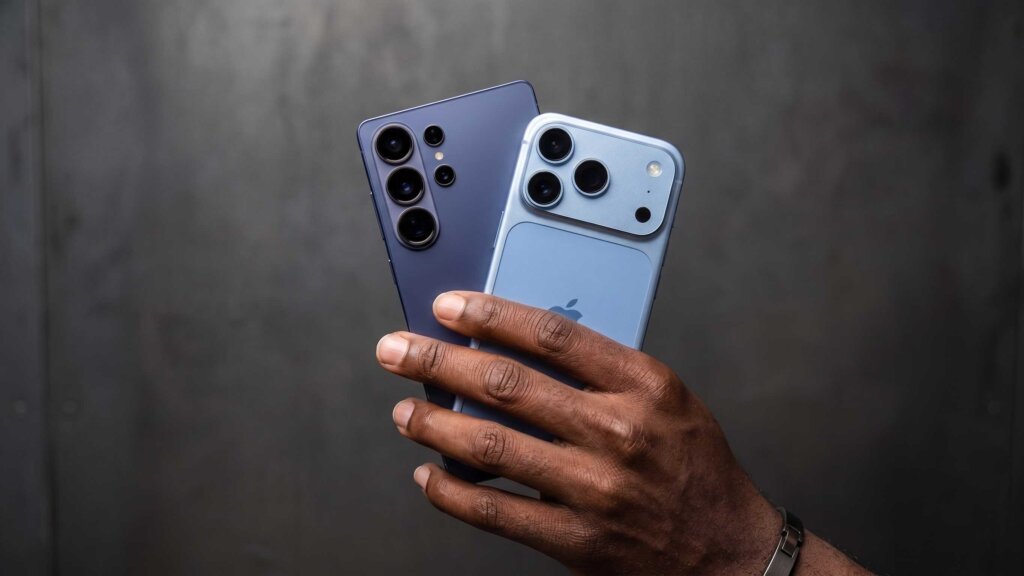
Apple did not reinvent the slab phone. It tightened the parts people notice every hour: heat, stamina, silicon, and a camera that finally behaves like a camera. That is the brief for the Galaxy S26 Ultra‘s successor.
Why this comparison matters right now
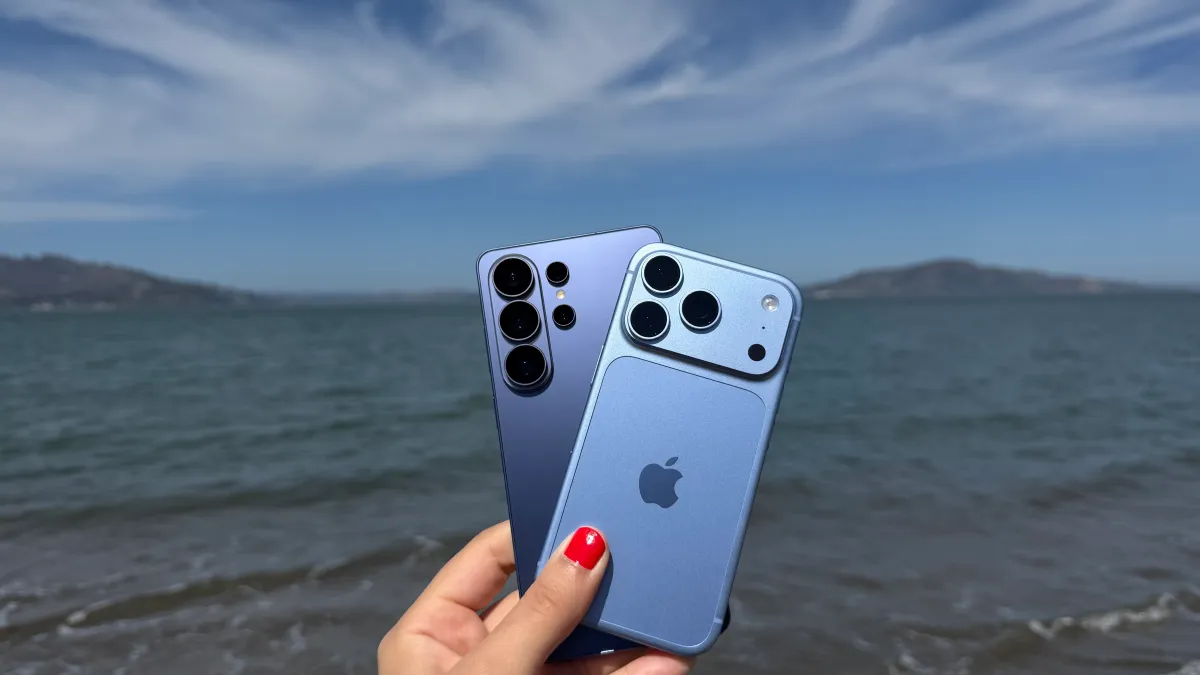
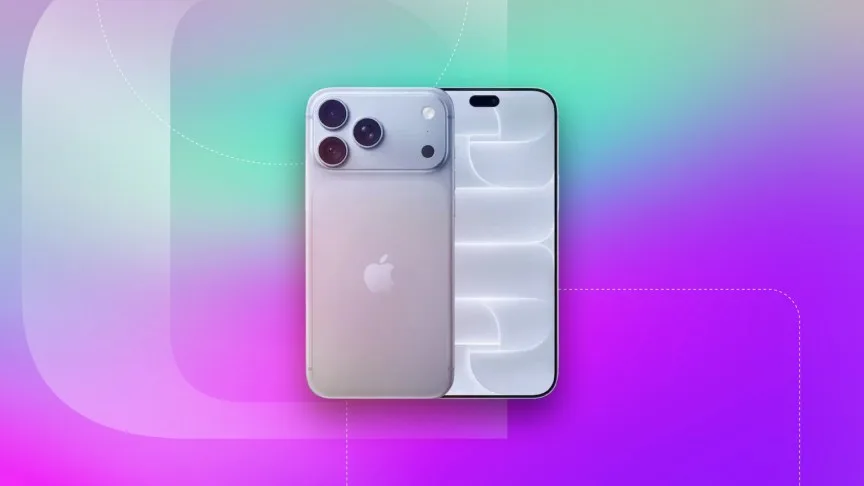
The iPhone 18 Pro Max reached stores on Friday, September 18, 2026, nine days after Apple’s “Surprise and Shine” event. It still looks like last year’s Pro Max: an aluminum unibody, a 6.9-inch Super Retina XDR OLED, a familiar camera plateau, and a $1,299 starting price for the 256GB base model.
The real story is inside the chassis. Apple delivered a 2nm A20 Pro chip, a significantly larger vapor chamber, a massive 5,567 mAh cell, and the first mechanical variable aperture on an iPhone main camera.
Samsung’s current answer is the March 2026 Galaxy S26 Ultra. If you are still weighing which flagship is better between the S26 Ultra and the iPhone 18 Pro Max, the Samsung remains lighter, boasts a sharper screen, features the S Pen, and is absolutely stacked with zoom hardware. Unquestionably, it is still one of the most useful Android flagships you can buy.
Ultimately, the gap this new iPhone exposes isn’t a lack of Samsung features, but rather Apple’s intense focus on polishing the attributes users actually feel after the unboxing video ends. People do not upgrade because a slide says 200MP. They upgrade because the phone stays cool under pressure, lasts a full two days, and takes the exact photo they meant to take.
iPhone 18 Pro Max vs. Galaxy S26 Ultra Snapshot
Both phones start near $1,299 in the U.S., proving that this fight is about core product philosophy, not pricing tiers.
| Category | iPhone 18 Pro Max | Galaxy S26 Ultra |
|---|---|---|
| Display | 6.9-inch OLED, 2868×1320, 120Hz, ~3000 nits | 6.9-inch AMOLED, 3120×1440, 120Hz, Privacy Display |
| Chip | Apple A20 Pro (2nm) | Snapdragon 8 Elite Gen 5 for Galaxy (3nm) |
| Rear Cameras | 48MP variable-aperture main + 48MP UW + 48MP 4x tele | 200MP main + 50MP UW + 10MP 3x + 50MP 5x |
| Battery & Charging | 5391–5567 mAh; ~50% in 15 min; MagSafe/Qi2 25W | 5000 mAh; 60W wired; 25W wireless; no magnets |
| Weight & Thickness | 249 g / 8.75 mm | 214 g / 7.9 mm |
| Extras | Face ID, up to 2TB, smaller Dynamic Island | S Pen, DeX, ultrasonic fingerprint, 8K video |
Lesson 1: Efficiency and thermals beat peak specs
The A20 Pro is the first 2nm chip in an iPhone, featuring a 6-core CPU, 7-core GPU, and dual 16-core Neural Engine. Early Geekbench 6 numbers land around 4,740 single-core and 12,800 multi-core on the Pro Max, easily edging out the roughly 3,785 / 11,563 posted by the S26 Ultra. GPU tests such as 3DMark Solar Bay reveal a similar performance gap.
However, raw benchmark scores only tell half the story. The true advantage lies in sustained performance. Apple tripled its vapor-chamber surface area so heat spreads evenly across the body instead of pooling aggressively under the camera island. Reviewers note the phone merely gets warm after long gaming sessions, completely avoiding the localized hot spots that force internal throttling.
Samsung’s Snapdragon 8 Elite Gen 5 for Galaxy is undoubtedly fast in short bursts. Yet, multiple S26 Ultra write-ups still flag severe throttling under long loads and aggressive clock drops during extended mobile gaming sessions.
Lesson 2: Endurance is the real spec
Apple conservatively rates the Pro Max at up to 45 hours of video playback. PCMag measured more than 34 hours of continuous video streaming on the U.S. eSIM model. Conversely, comparable lab loops on the S26 Ultra’s 5,000 mAh pack often land closer to 15–16 hours.
Yes, Samsung slightly improved mixed-use stamina versus the older S25 Ultra and finally shipped 60W wired charging. However, their battery capacity has been stuck near 5,000 mAh for years while rivals rapidly adopted denser silicon-carbon cells.
Samsung does not need to engineer a heavy 7,000 mAh brick if it can replicate this efficiency-plus-cooling formula. Moving forward, Samsung must evolve past treating an unchanged 5,000 mAh capacity paired with iterative software tweaks as a complete, flagship battery solution.
Lesson 3: Optical control beats the megapixel race
Samsung undeniably wins the spec sheet brochure: 200MP main at f/1.4, 50MP ultrawide, 10MP 3x, and a 50MP 5x periscope lens. Unfortunately, that 10MP 3x module remains the weak link—a small, aging sensor acting as a mere stepping stone. Reviewers consistently called out flatter images, exposure drift, and worse close-focus distances after this year’s lens changes.
In response, Apple placed six hair-thin blades inside the 48MP main lens, giving shooters four genuine optical stops: f/1.48, f/1.8, f/2.8, and f/4. Wide open, the aperture gathers massive amounts of light and creates authentic optical bokeh instead of simulated portrait blur. Stopped down, group photos stay incredibly sharp, and streetlights effortlessly turn into sunstars.
For Samsung, the homework isn’t simply adding aperture blades for a flashy keynote demo. It requires pairing a larger, cleaner main sensor with genuine optical control, retiring the aging 10MP 3x lens completely, and ensuring color profiles match flawlessly from shot to shot.
Lesson 4: Software has to feel finished
The combination of iOS 27 and the vastly expanded Neural Engine capacity makes Apple Intelligence and the new Siri features feel local and boring—in the best way possible. The dynamic pro camera controls finally live in the native iOS app rather than being restricted to third-party tools. Most notably, a massive iOS 27 leak confirms users can entirely replace Siri’s brain with third-party models like ChatGPT-5.6 or Claude, giving Apple users unprecedented AI flexibility.
Admittedly, One UI 8.5 remains the more powerful desktop-in-your-pocket OS, boasting DeX, robust split-screen, deep aesthetic customization, and seven guaranteed years of updates. The recurring complaint, however, is that Samsung’s AI tricks still feel bolted on. Daily animations and keyboard polish occasionally wobble on a device that costs $1,300.
What people are saying on X and Reddit
Reviews tell you what scored well in a sterile lab. Social posts tell you what owners repeat unprompted during launch weekend. Unsurprisingly, those unprompted conversations heavily revolve around battery, heat, aperture, weight, and ecosystem lock-in.
Replies to that viral thread did Samsung’s marketing for free: the iPhone is thicker, heavier, lacks an S Pen, lacks DeX, features weaker zoom versatility, and lacks a 200MP sensor. Even Apple-leaning audiences routinely concede the Ultra’s superior productivity stack.
On r/Smartphones, long-term S26 Ultra owners are heavily split. Some call the Ultra a self-sufficient daily driver with a cinematic screen; others call the indoor photo quality, software hitching, and charging quirks unacceptable at this premium price point.
What Samsung already does better
Copying Apple’s homework absolutely does not mean deleting the Ultra identity.
- In-hand comfort: Weighing 214 g and measuring 7.9 mm thick, the Ultra still beats Apple’s 249 g, 8.75 mm slab for most wrists.
- Display utility: The QHD+ sharpness combined with the highly anticipated privacy display tech is a massive, real-world differentiator.
- S Pen and DeX: No iPhone accessory bundle can replace a built-in stylus and a dedicated desktop mode that actually functions.
- Zoom hardware: Samsung’s 3x + 5x optical coverage stretches farther than Apple’s 4x-plus-crop strategy.
A Practical Checklist for the Galaxy S27 Ultra
- Move the silicon fight: Secure worldwide 2nm “for Galaxy” silicon, or build custom cooling massive enough to prevent throttling.
- Enlarge the thermal system: Match Apple’s “warm all over, still fast” behavior during 30-minute gaming sessions.
- Break the 5,000 mAh habit: Utilize silicon-carbon density to boost capacity without adding brick-like weight.
- Bring back a real variable aperture: Place it on a high-quality main sensor, and finally delete the 10MP 3x lens.
- Ship magnets: Qi2 is table stakes in 2026; accessory ecosystems are exactly why MagSafe still wins unboxing videos.
- Make One UI boringly stable: Lose the distinct sense that Galaxy AI features and smooth animations are merely optional extras.
Do those six things, and Samsung can easily keep every Ultra perk that users already defend online. Skip them, and the S27 Ultra will be just another “best Android phone” that loses the week-two conversation to an iPhone that aesthetically looks unchanged.