The most surprising tech announcements from CES 2026 were not louder AI claims — they were robots and chips that actually shipped roadmaps. Consequently, this roundup has been completed from preview into the verified record. Furthermore, physical AI replaced agentic AI as the show’s theme. Here is what mattered.
Key Takeaways
- Nvidia’s Vera Rubin platform entered production, succeeding Blackwell in late 2026.
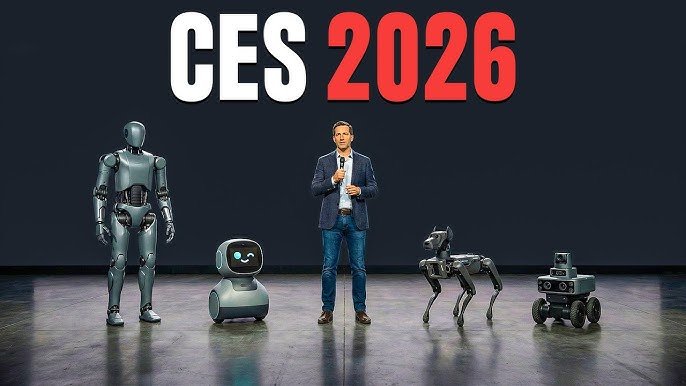
- Physical AI starred: Boston Dynamics’ Atlas and LG’s CLOiD home robot.
- Intel Panther Lake, AMD Ryzen AI 400 and Snapdragon X2 pushed AI PCs.
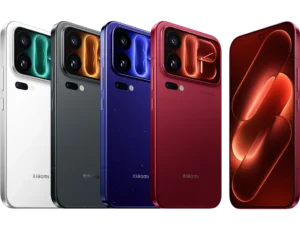
- Motorola’s Razr Fold and Lenovo’s rollable concepts reshaped screens.
CES 2026 Announcements: Chips and Physical AI Led
CMC Markets’ CES 2026 takeaways highlight Nvidia’s earlier-than-expected Vera Rubin architecture and its Alpamayo open models for autonomous vehicles. Additionally, Jensen Huang called it the ChatGPT moment for physical AI. Consequently, robots moved from stage props to product roadmaps.
Robots, Screens and the Home
Boston Dynamics debuted Atlas in Hyundai’s presentation, widely judged the show’s star. Furthermore, LG’s CLOiD aimed at a labour-free home with vision-based household tasks. Lenovo showed a Legion Pro rollable laptop expanding from 16 to 24 inches. Specifically, screens and robots shared one theme: machines that move. Therefore, CES 2026 felt physical in a way 2025 did not.
The PC and Phone Story
Intel’s Core Ultra Series 3, AMD’s Ryzen AI 400 and Qualcomm’s Snapdragon X2 reset the AI PC race. Additionally, Lenovo unveiled Motorola’s first book-style foldable, the Razr Fold, at its Sphere event. Samsung leaned into flexible and Micro RGB displays. Therefore, buyers in late 2026 are shopping the machines this show promised. Furthermore, most arrived between March and October, as forecast.
Verdict: The Surprises Aged Well
Unlike many CES rounds, the headline systems largely shipped. However, the home-robot timelines remain the softest promises. Therefore, credit the chips and foldables now, and judge the robots in 2027. Additionally, the physical-AI theme now drives the memory market too.
In short, chips shipped, robots promised, screens stretched. CES 2026 delivered more than most.