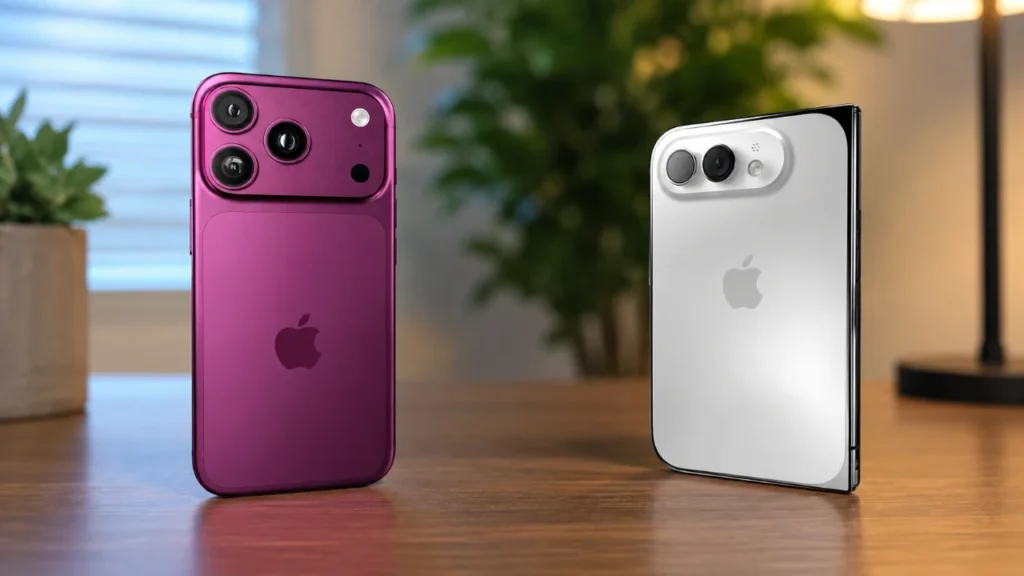
For analysts and tech enthusiasts closely monitoring Apple’s global supply chain, the era of iterative smartphone updates is officially pausing. The upcoming iPhone 18 series is rapidly shaping up to be a massive, hardware-heavy evolution. Driven by critical shifts in processor manufacturing and advanced optical engineering, Apple is preparing to push the physical boundaries of its flagship devices.
Based on the latest, highly credible supply chain leaks and insider reports—building dynamically upon previous iPhone 18 rumors—we now have a comprehensive look at what to expect from Cupertino this fall. Ultimately, the transition toward 2nm silicon and new under-display technologies indicates that the iPhone 18 Pro and Pro Max will fundamentally alter the premium smartphone landscape.
⚡ Quick Facts: iPhone 18 Pro Leaks
- Silicon Leap: Features the A20 Pro chip, built on TSMC’s revolutionary 2-nanometer process.
- Connectivity: Debuts Apple’s custom C2 modem, unlocking 5G over satellite for full web browsing off-grid.
- Camera Evolution: Introduces a mechanically adjustable variable aperture to the 48MP main sensor.
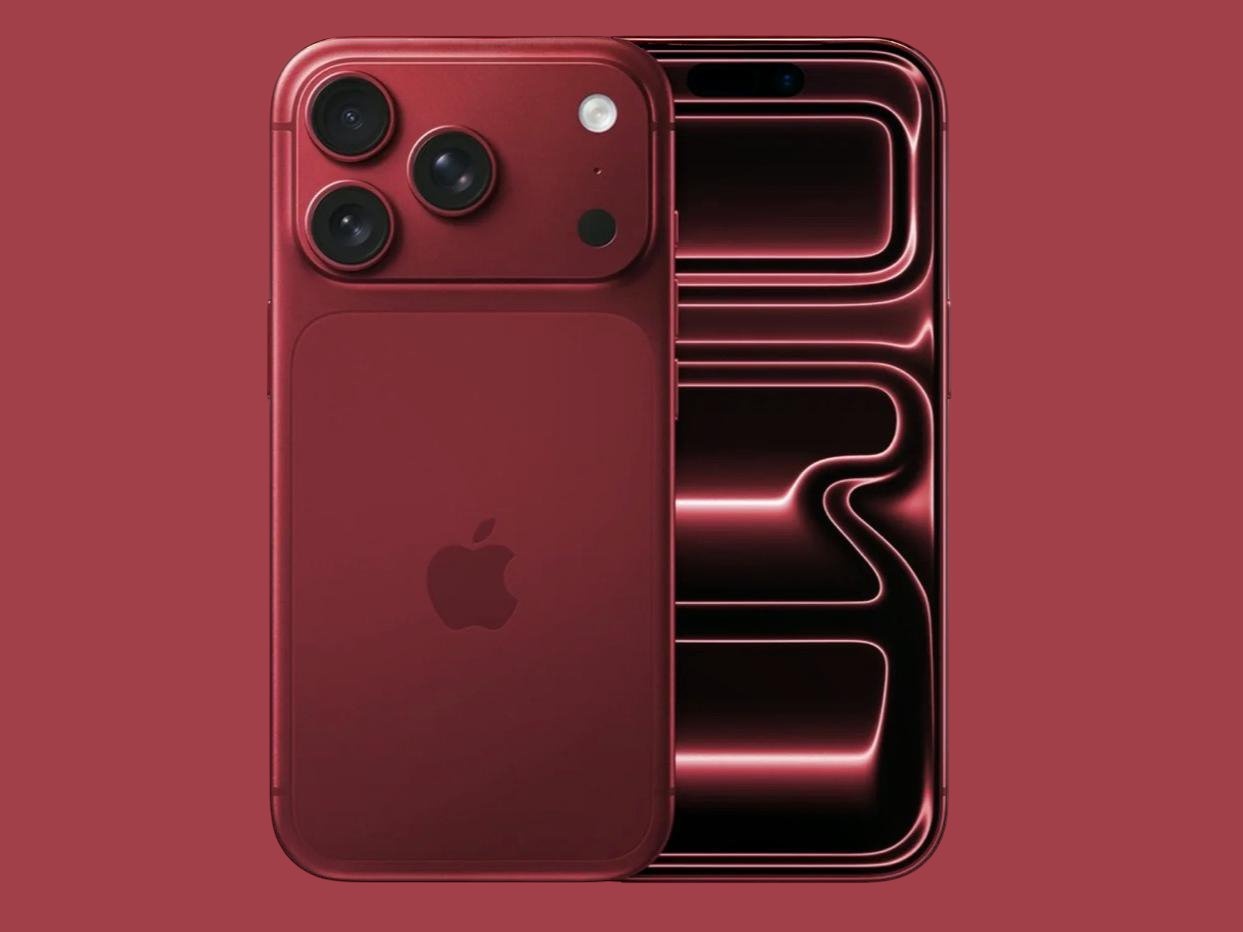
- Physical Changes: A 50% smaller Dynamic Island, a new “Dark Cherry” color, and a noticeably heavier, thicker chassis.
🚀 The 2nm Era: A20 Pro and the Custom C2 Modem
The most critical upgrade for 2026 lies deep within the silicon. This shift marks a major, historical milestone in global semiconductor fabrication, positioning Apple to aggressively compete with highly anticipated devices like the upcoming Google Pixel 11. Apple is officially adopting TSMC’s advanced 2-nanometer process for the A20 Pro chip, utilizing state-of-the-art Wafer-Level Multi-Chip Module (WMCM) technology.
Consequently, industry analysts project an impressive 18% performance increase and a 20% boost in energy efficiency compared to the outgoing 3nm architecture. Furthermore, to seamlessly process on-device Siri AI and iOS 27’s advanced machine learning tasks (like Visual Intelligence and Image Playground), the Pro models will strictly retain 12GB of RAM as the baseline standard.
Equally important is the connectivity overhaul. Apple’s long-rumored, in-house cellular modem—the C2—is finally expected to debut in the Pro models. This proprietary silicon promises significantly higher efficiency and introduces 5G over satellite via NR-NTN (New Radio Non-Terrestrial Networks). As a result, users will enjoy full web browsing and app usage even when entirely outside of standard cellular coverage.
📏 Design Trade-Offs: Thicker, Heavier, but Refined
While Apple is largely maintaining the core design language of the previous generation, they are actively refining the materials and display components. However, this power comes at a literal cost to portability.
🍒 New Signature Colors
Expect the Pro lineup to drop Silver entirely. Leaked SIM trays and dummy models indicate a sleek new lineup consisting of Black, Sky Blue, and a brand-new signature “Dark Cherry” (a deep, purplish-red blend).
💊 Smaller Dynamic Island
By migrating the Face ID flood illuminator entirely beneath the LTPO+ display, Apple is successfully shrinking the Dynamic Island’s width by nearly 50% (dropping from 20.76 mm down to a subtle 13.49 mm).
⚖️ Increased Weight
To accommodate a massive battery and a new vapor chamber cooling system, the Pro Max is rumored to exceed 240 grams and measure around 9mm thick. Therefore, it will become Apple’s heaviest iPhone yet.
🌍 eSIM Expansion
European models are firmly expected to ditch the physical SIM card tray this year. This aggressive move mirrors the US models’ previous transition to eSIM-only devices.
📸 Optical Engineering and Camera Systems
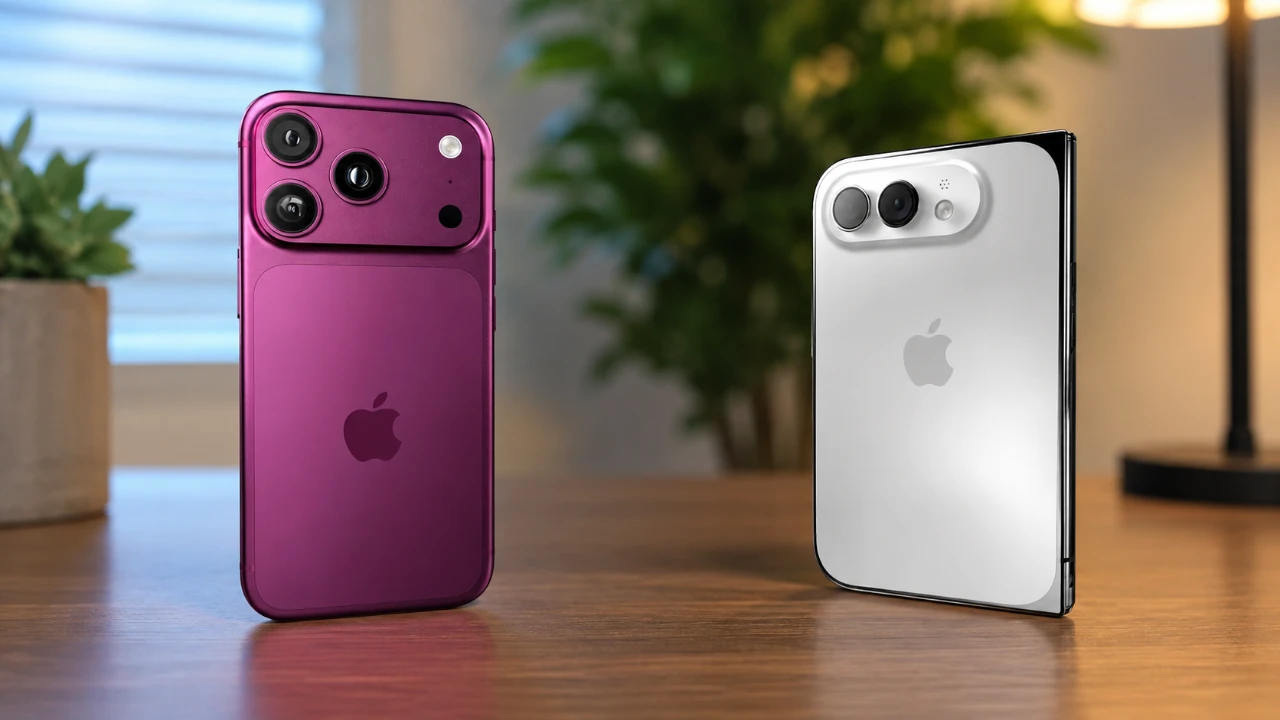
Apple is actively addressing the hardware limitations inherent to smartphone photography. Instead of relying purely on software processing, the iPhone 18 Pro introduces variable optics and leverages brand-new sensor partnerships to capture superior raw data.
| New Camera Feature | Technical Details | Impact on Photography |
|---|---|---|
| Variable Aperture | The 48MP main Fusion camera will feature a mechanically adjustable aperture. | Allows precise, physical control over depth of field and light intake, significantly improving authentic portrait shots and low-light performance. |
| Stacked Image Sensor | A new, advanced three-layer stacked sensor reportedly developed in partnership with Samsung. | Delivers faster shutter responsiveness, drastically reduced visual noise, and a much wider dynamic range in complex lighting. |
| Simplified Camera Control | The dedicated camera button is being redesigned to utilize pressure sensing without a separate capacitive layer. | Reduces manufacturing complexity and component costs while flawlessly maintaining quick-capture functionality. |
🔋 Battery Realities and the iOS 27 Overhead
Ultimately, the physical growth of the device directly serves battery endurance. The iPhone 18 Pro Max will feature a massive 5,100–5,200 mAh battery. This hardware ceiling is absolutely necessary to support the immense overhead of iOS 27’s heavy AI integration.
With a completely rebuilt Siri AI featuring its own dedicated app, cross-app multitasking on larger screens, and highly advanced native photo editing tools like “Clean Up,” the 2nm A20 Pro chip and this massive battery will work in tandem to keep the device running flawlessly through heavy, all-day usage.