The phone market had a rough summer. Global smartphone sales fell 16% year on year in the third quarter of 2026, according to Counterpoint Research — and the pain was not shared equally. Android dropped to its lowest third-quarter share ever, while the iPhone climbed to its best.
Key facts
- Sales down 16%: global smartphone sales fell 16% year on year in Q3 2026, Counterpoint Research reports — the downturn deepened through the year.
- Android at a record low: Android took 74% of phones sold in the quarter, down from 79% a year earlier — its lowest-ever share for a third quarter.
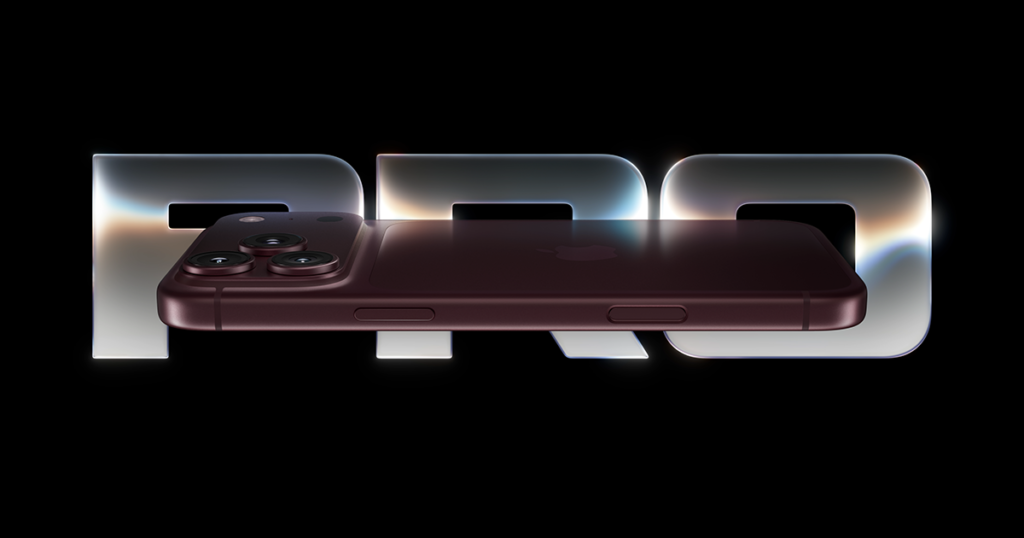
- iOS at a record high: iOS reached 21%, up from 17% a year earlier — its best-ever third quarter. iPhone sales grew 2% year on year, driven by strong demand for the iPhone 18 Pro series.
- HarmonyOS: Huawei’s HarmonyOS took 5% globally and 22% of China’s market.
- The cause: the memory shortage. Counterpoint blames a RAM supply crisis that hit budget phones hardest and pushed prices up further up the range.
- Shipments fell further: a separate Counterpoint estimate puts global shipments down 20% year on year in Q3 — the lowest third-quarter level in 14 years.
- When it was published: Counterpoint released the report on November 26–27, 2026. This is fresh quarterly data, not a forecast.
The quarter in numbers
| Measure | Q3 2025 | Q3 2026 | What changed |
|---|---|---|---|
| Global smartphone sales | — | Down 16% year on year | Decline deepened through 2026 |
| Android share of sales | 79% | 74% | Lowest-ever Q3 share; down 5 points |
| iOS share of sales | 17% | 21% | Highest-ever Q3 share; up 4 points |
| HarmonyOS share of sales | 4% | 5% | 22% of China’s market |
| iPhone sales | — | Up 2% year on year | Driven by iPhone 18 Pro demand |
| Global shipments (separate estimate) | — | Down 20% year on year | Lowest Q3 level in 14 years |
Two things are worth keeping straight. First, these are shares of phones sold in the quarter, not the phones already in people’s pockets — a buyer who delays an upgrade changes the mix of what is sold without changing operating systems. Second, sales and shipments are different measures: sales count phones bought by consumers, shipments count phones sent to retailers. Both fell, but shipments fell further, which suggests retailers are also trimming the stock they hold.
Why Android lost ground — and why Apple did not
Counterpoint’s explanation is the same memory crisis behind almost every price story this year. Android’s strength is its range: it sells phones at every price, including the cheap ones. That breadth made it more exposed when RAM ran short. Budget phones — the ones that live or die on cheap memory — were hit hardest, and the shortage pushed prices up across the range. Fewer cheap Android phones sold means a smaller Android share, even if no Android user switched to an iPhone.
Apple, by contrast, sells only premium phones. Its buyers are less price-sensitive, and the iPhone 18 Pro series — launched this autumn — sold well enough to lift iPhone sales 2% in a quarter when the whole market shrank 16%. That combination, a shrinking market plus a growing iPhone, is what pushed iOS to its record 21%.
This is the same squeeze we have been tracking all month. As we reported, eight of the nine biggest phone brands have cut their 2027 shipment targets because memory prices exploded — DRAM revenue hit nearly $200 billion in Q3, up 369% on a year earlier — and Counterpoint expects the market for phones under $200 to shrink as brands raise prices, cut RAM and storage, or drop cheap models entirely. Apple is preparing another iPhone price rise of its own, and Samsung is weighing Galaxy S27 prices above its original targets. The Q3 numbers are the first hard evidence of what that squeeze is already doing to what people actually buy.
Three markets, three different stories
The global average hides very different markets. Counterpoint breaks the quarter down by country, and the picture changes completely depending on where you look.
| Market | Android | iOS | HarmonyOS | The story |
|---|---|---|---|---|
| United States | 46% (up from 45%) | 54% (down from 55%) | — | Android actually gained a point; the iPhone still leads, but the US bucked the global trend |
| India | 92% | 8% | — | Android held steady; iOS flat at 8 in every 100 sales — the market Apple still has not cracked |
| China | 60% | 18% | 22% | HarmonyOS is now the second platform in China, ahead of iOS |
The US result is the surprise. While Android lost five points worldwide, it gained a point in the US, from 45% to 46%, with iOS slipping from 55% to 54%. India barely moved at all: Android held at 92% and iOS at 8%. China is where the real reshuffle is happening — HarmonyOS now takes 22% of the world’s biggest phone market, ahead of the iPhone’s 18%.
What people are saying
“Android’s share reached 74% for the quarter, down 5% from Q3 2025, reaching its lowest-ever Q3 level. Android’s broad presence across price tiers made it more vulnerable to the market slowdown than its peers.”
— Counterpoint Research, Q3 2026 OS share report“iOS reached its highest-ever Q3 market share of 21% as iPhone sales grew 2% YoY in Q3 2026.”
— Counterpoint ResearchThe reporting consensus is that this is a supply story, not a loyalty story. SamMobile frames it the same way: a market under pressure from the memory crisis, with Android’s budget-heavy mix taking the bigger hit. Nobody in the reporting is claiming Android users are switching to iPhones in large numbers — the iPhone’s gain is mostly arithmetic: when the total shrinks and the iPhone grows, its share rises.
What it means for buyers: if you are shopping for a cheap phone, the next year will be harder — Counterpoint expects the sub-$200 segment to shrink, and the brands have already started cutting their 2027 targets. If you are buying a flagship, the iPhone 18 Pro is the phone the market is actually choosing right now, and our iPhone 17 prices in Nigeria, checked this week, show what the current iPhones cost today. And if your upgrade can wait, remember the other side of the same forecast: Counterpoint expects the market to grow again in 2028, when new memory capacity finally comes online.
Global smartphone sales Q3 2026: quick answers
How much did global smartphone sales fall in Q3 2026?
16% year on year, according to Counterpoint Research. A separate Counterpoint estimate puts shipments down 20% — the lowest third-quarter shipment level in 14 years.
What is Android’s market share now?
74% of global smartphone sales in Q3 2026, down from 79% a year earlier — Android’s lowest-ever share for a third quarter. In the US it actually rose a point, to 46%.
What is iOS’s market share now?
21% of global smartphone sales in Q3 2026, up from 17% a year earlier — iOS’s highest-ever third-quarter share. iPhone sales grew 2% year on year, driven by demand for the iPhone 18 Pro series.
Why are phone sales falling?
Counterpoint blames the memory shortage: RAM supply is tight, prices have exploded, and the crisis hit budget phones hardest while pushing prices up across the range. The same squeeze is behind brands cutting their 2027 shipment targets and weighing price rises.
What about Huawei’s HarmonyOS?
HarmonyOS took 5% of global sales in Q3 2026, up from 4% a year earlier — and 22% of China’s market, where it is now ahead of iOS (18%).
The 2026 Tech Prophecy: Why Your Next Phone Might Be Worse (S26, iPhone 18 & RAM Crisis)
Sources:Counterpoint Research, Gadgets360, SamMobile. Related Tech Mansion coverage: phone prices in 2027, iPhone price hike, Galaxy S27 prices.