Your next phone is likely to cost more — and there may be fewer cheap ones to choose from. Almost every major phone maker has cut its 2027 shipment target, according to a new report, because the memory crisis that has already pushed up Galaxy prices is now squeezing the whole industry. Vivo is cutting its target by nearly a third, Xiaomi by a quarter, and even Apple and Samsung — the two biggest brands — are planning to ship millions fewer phones next year.
Key facts
- The report: eight of the nine biggest phone brands have cut their 2027 shipment targets, according to Chinese outlet Jiemian News, citing supply-chain sources — reported on 25 November by Notebookcheck, SamMobile, 9to5Google and others
- Biggest cuts: vivo down 29% (85m to 60m) and Xiaomi down 25% (120m to 90m); Samsung down 9.5% (232m to 210m) and Apple down 5.6% (233m to 220m)
- The one exception: Honor is holding its target flat at 50 million units — the only major brand not cutting
- The cause: AI data centres are absorbing DRAM supply, pushing memory prices to record highs — DRAM revenue rose 369% year-on-year in Q3 2026, to nearly $200 billion, according to Counterpoint Research
- What it means for buyers: Counterpoint expects the market for phones under $200 to shrink, as brands raise prices, cut RAM and storage, or drop cheap models entirely
- How long it lasts: Goldman Sachs expects the DRAM supply deficit to reach 5.1% in 2027 — one of the worst shortages in over 15 years — with real relief only in 2028
How far each brand is cutting back
These are internal targets reported second-hand, not company announcements — none of the brands has confirmed them. But the pattern is consistent across every outlet carrying the story, and the numbers are stark:
| Brand | 2026 target | 2027 target | Change |
|---|---|---|---|
| vivo | 85 million | 60 million | −29% |
| Xiaomi | 120 million | 90 million | −25% |
| Lenovo (Motorola) | 50 million | 40 million | −20% |
| Huawei | ~60 million | Below 50 million | More than −16% |
| OPPO | 105 million | 90 million | −14% |
| Transsion | 66 million | 58 million | −12% |
| Samsung | 232 million | 210 million | −9.5% |
| Apple | 233 million | 220 million | −5.6% |
| Honor | 50 million | 50 million | No change |
The Chinese brands are cutting deepest, which makes sense: they sell far more of their volume in the price-sensitive mid-range and budget segments, where memory is a bigger share of the cost. Apple and Samsung cut less in percentage terms, but their cuts still mean roughly 13 million and 22 million fewer phones respectively. The same report says the 2026 market is now expected to shrink by about 14% — far worse than the 3% decline forecast at the start of the year — and Counterpoint expects the whole market to shrink by another 6% in 2027.
Why memory is the problem
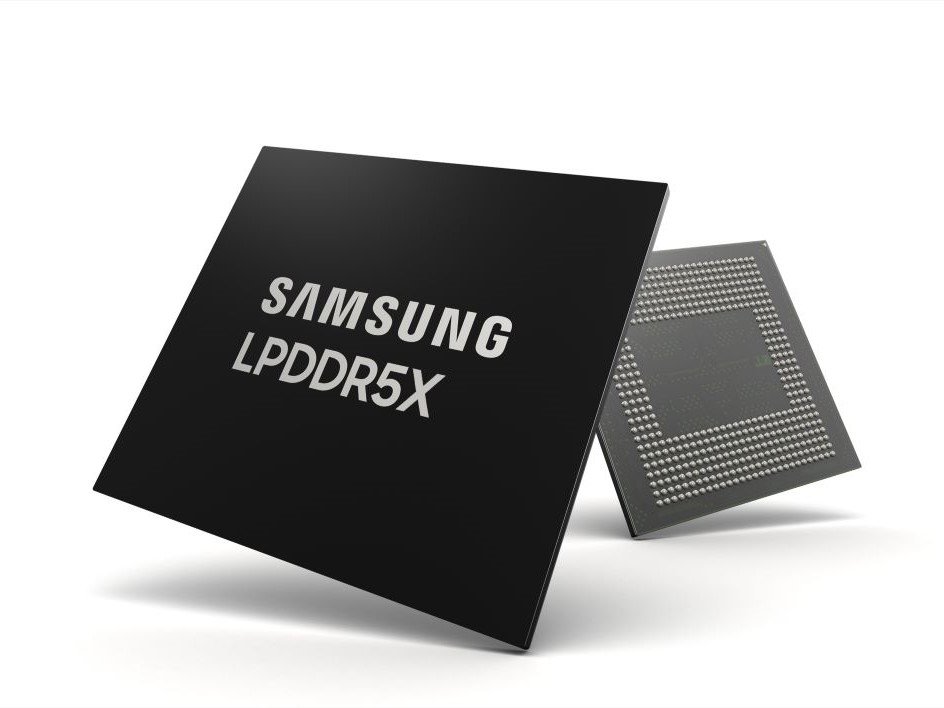
The cause is the AI boom. Data centres building AI servers need enormous amounts of fast memory, and chip makers are giving more of their supply to server firms — leaving less for phones and pushing up the cost of every device. Counterpoint’s global memory market tracker puts the scale of it in hard numbers: DRAM revenue hit nearly $200 billion in the third quarter of 2026, up 369% on a year earlier, with the average DRAM price reaching $1.90 per gigabit. NAND flash — the storage inside your phone — has seen prices rise more than fourfold.
Goldman Sachs expects the global DRAM supply deficit to widen from 4.1% in 2026 to 5.1% in 2027, potentially one of the most severe shortages in more than 15 years, and it expects smartphone NAND demand to fall 2% in 2027 as higher memory costs weigh on the market. Counterpoint expects memory prices to stay high next year, with significant new wafer capacity unlikely to come online before 2028. The relief, when it comes, is forecast for 2028: Goldman Sachs expects the DRAM supply gap to narrow to 1.2%, with DRAM and NAND prices potentially falling by around 20% — and Counterpoint expects the phone market to grow again that year, by about 6%.
The memory squeeze, in numbers
- DRAM revenue, Q3 2026: nearly $200 billion, up 369% year-on-year (Counterpoint Research)
- Average DRAM price: $1.90 per gigabit
- DRAM supply deficit: 4.1% in 2026, forecast 5.1% in 2027 (Goldman Sachs)
- NAND flash prices: up more than 4x over the past year
- Smartphone NAND demand: forecast to fall 2% in 2027
- Relief: 2028 — deficit narrowing to 1.2%, memory prices potentially down ~20%
Cheap phones are at risk first
The most important part of this story for buyers is not the flagship numbers — it is what happens at the bottom of the market. Counterpoint says higher memory costs are making cheap phones harder to sell at a profit, and brands may respond by raising prices, cutting RAM or storage, or simply stopping models that no longer make enough money. The market for phones under $200 is likely to shrink.
That warning is already visible in Samsung’s own range. As we reported, Galaxy A prices could rise by up to 19% from January, with the Galaxy A17 reportedly jumping from $269 to $319 — and Samsung reportedly cut Galaxy A production by about 20% last month. Memory forms a larger cost share in mid-range phones, so the cheaper end feels it hardest. At the top end, Galaxy S27 prices may climb even higher than the leaks say, and the Galaxy S27 Ultra may reserve its fastest RAM and storage for the most expensive models.
Honor’s chief executive, Li Jian, said after the Honor 700 launch on 23 November that mid-range phones now face more cost pressure than flagships, and that the industry is cutting chips, cameras and memory to hold prices down. That is the trade-off buyers should watch for in 2027: a phone at the same price as last year’s model may quietly ship with less RAM, a weaker chip or a worse camera. Counterpoint research director MS Hwang put it bluntly: “Memory prices should stay strong next year.”
What this means if you are buying a phone
If you need a phone now, the honest advice is that waiting for prices to fall is a bad bet for 2027 — every signal in this report points the other way, and the relief is not forecast until 2028. If you are buying before January, today’s prices may be the cheapest you see for a while: Samsung has already raised the base Galaxy S26 in the US from $899 to $999 since launch, and the reported Galaxy A rises take effect from January. Check our guide to the best camera phones if you want the strongest all-rounders available right now, and watch the official stores for Black Friday deals while they last.
If you can wait, the other side of the coin is that 2028 looks like the year to buy: Goldman Sachs expects memory prices to fall by around 20% as new supply comes online, and Counterpoint expects the market to grow again. And if you are shopping in the budget range in 2027, read the spec sheet carefully — a phone with 6GB of RAM where last year’s model had 8GB is not a bargain, it is the memory crisis passed on to you. The brands have not confirmed any of these targets, so treat the figures as a well-sourced report rather than a promise — but the direction is now clear from every brand at once, and it is the same direction Samsung’s own accounts have been pointing for months. Samsung’s cost-cutting goes beyond phones, too: as we reported, there will be no new Galaxy Watch in 2027, with the watch line moving to a two-year cycle to save money.
2027 phone prices, answered
Will phones cost more in 2027?
Almost certainly, on average. Eight of the nine biggest phone brands have cut their 2027 shipment targets because memory costs have soared — DRAM revenue rose 369% year-on-year in Q3 2026 — and Counterpoint expects brands to raise prices, cut RAM and storage, or drop cheap models. Nothing is confirmed by the brands, but the direction is consistent across every report.
Which phones will be hit hardest?
Cheap and mid-range phones. Memory is a bigger share of the cost in a $200–$400 phone than in a flagship, so Counterpoint expects the market for phones under $200 to shrink. Samsung’s Galaxy A range is already reportedly facing price rises of up to 19% from January 2027.
Why are phone makers cutting their targets?
AI data centres are absorbing DRAM supply, pushing memory prices to record highs. Chip makers are prioritising server customers, leaving less memory for phones at higher prices. Goldman Sachs expects the DRAM supply deficit to reach 5.1% in 2027, one of the worst shortages in over 15 years.
Which brand is not cutting its target?
Honor is the only major brand holding its 2027 target flat, at about 50 million units — the same as 2026. Its chief executive, Li Jian, said mid-range phones face the most cost pressure, and that the industry is cutting chips, cameras and memory to hold prices.
When will phone prices come down again?
Not before 2028, on current forecasts. Goldman Sachs expects the DRAM supply gap to narrow to 1.2% in 2028, with DRAM and NAND prices potentially falling by around 20%, and Counterpoint expects the phone market to grow again that year. Until then, memory prices are expected to stay high.
Watch: the Galaxy S27 Ultra has leaked
Tech Mansion’s breakdown of everything leaked so far about the Galaxy S27 Ultra — the phone at the centre of Samsung’s price squeeze: