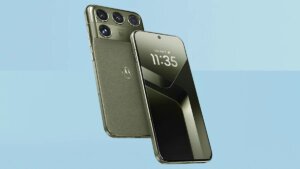
The Xiaomi 17 Pro Max vs iPhone 17 Pro Max fight is unusually even, because both phones pair a 6.9-inch flagship screen with a top-tier chip. Xiaomi, however, adds a second screen on the back and a far larger battery. Consequently, the choice becomes ecosystem against experimentation. Furthermore, availability may decide it before specifications do.
Key Takeaways
- Xiaomi: Snapdragon 8 Elite Gen 5, 7,500mAh battery, 100W charging.
- Xiaomi adds a 2.9-inch rear display for selfies and widgets.
- iPhone: A19 Pro, iOS polish, 48MP cameras, longer software runway.
- Both use Leica-or-Apple-tuned triple cameras at flagship level.
Xiaomi 17 Pro Max vs iPhone 17 Pro Max: Displays
The Xiaomi 17 Pro Max specification listing shows a 6.9-inch LTPO AMOLED main display at 120Hz and 3,500 nits peak. Behind it sits a second 2.9-inch AMOLED panel for notifications, music, and rear-camera selfies. The iPhone matches the main screen’s size and smoothness without the rear experiment. Xiaomi’s extra screen is genuinely useful, not merely decoration.
Performance and Battery
Qualcomm’s Snapdragon 8 Elite Gen 5 powers the Xiaomi, while Apple’s A19 Pro powers the iPhone. Both chips sit at the top of mobile performance in 2026. Battery separates them sharply, however: 7,500mAh with 100W wired charging in the Xiaomi, against roughly half that capacity and slower charging in the iPhone. Heavy users will notice this gap every single day.
Cameras and Software
Xiaomi fits three 50MP Leica-tuned cameras, including a 5x periscope telephoto. Apple fits three 48MP cameras with a 4x telephoto and class-leading video. Stills honours are close; video still favours Apple. Software splits buyers further: HyperOS 3 on Android 16 offers deep customisation, while iOS offers polish, privacy controls, and longer updates. Your existing apps and accessories matter enormously here.
Verdict: Hardware Adventure or Safe Ecosystem?
Choose the Xiaomi 17 Pro Max for battery life, charging speed, and the rear display, where it is officially sold. Choose the iPhone for video, software support, resale value, and global availability. Additionally, imported Xiaomi units need warranty and band checks before purchase. On pure hardware ambition, Xiaomi wins; on ownership peace, Apple still leads.
In short, Xiaomi built the bolder phone; Apple built the safer ownership story. Your market and ecosystem should choose.