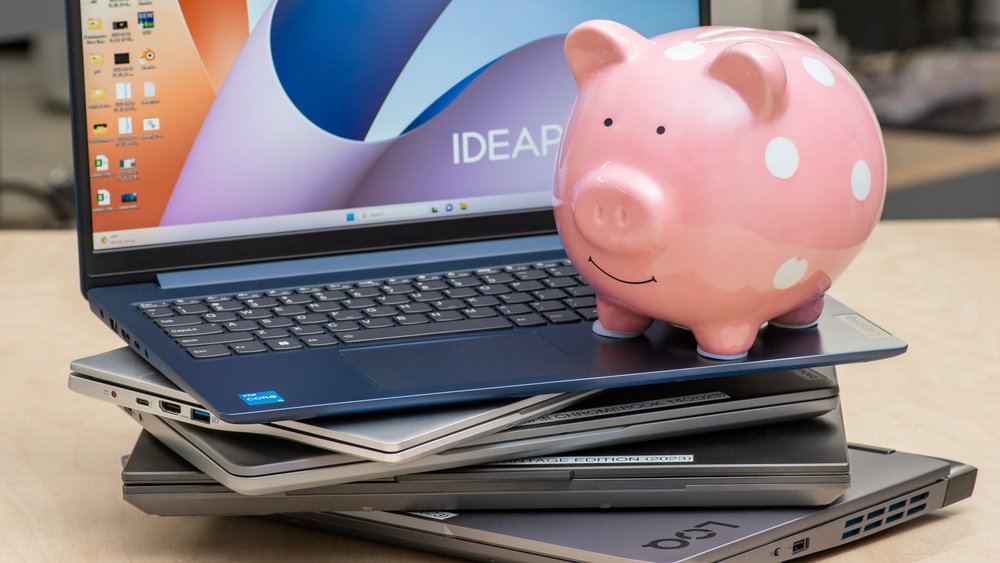
It may seem like a strange thing if you went out to buy a laptop over the last one year: the laptops that previously felt underperformed are now impressing both the reviewer and the users. The difference between budget computers and high-end notebooks is narrowing rapidly. In case you are questioning yourself as to why cheaper laptops are all of a sudden becoming very good, the concise version of the question is a combination of smarter chip sets, improved supply chains, improved software and clearer priorities on the part of buyers. The more lengthy response, what it is to you and how you can capitalize on the trend, is quite important when you are purchasing something either to school or to work-from-home or just to get a great daily running vehicle without breaking the bank.
Processor Design
The change in processor design is one of the largest motivators. The chipmakers are no longer pursuing raw gigahertz by itself, but they are maximizing the performance per watt. It implies that budget systems are now equipped with a powerful CPU and in-built graphics that are capable of performing daily tasks, such as browsing, video conferencing, and spreadsheets, and other light editing of images, without overheating and dying fast. Combine those chips with fast NVMe SSDs and 8-16GB of RAM and you get a subjectively fast experience. You do not think that the laptop is cheap, you think that it functions. This shift in the performance measurement system has made such quiet upgrades to entire price levels.
Display and storage technologies
Display and storage technologies have also become cheaper and better. A couple of years back, high-resolution bright panel was considered a luxurious feature. Today Full HD in IPS models, and even OLED models at extremely affordable prices are available. The same has been done with storage: NVMe SSDs are becoming ubiquitous where the SATA drives used to be the norm. The latter is one of the simplest enhancements that allow turning a relatively affordable device into a luxury: the apps will start faster, the files will move faster, and the operating system will become less jittery. A tip to remember in a hurry is that you will have a better experience with an SSD-equipped version as compared to the larger-but-slower hard drives.
Manufacturers have also been educated to specialize in features that are in actual use by the majority of buyers. Rather than stuffing all of its low-end machines with gimmicks, a number of brands focus on superior keyboards, extended battery life, or dependable webcams, items that are going to be essential when attending classes and working remotely or joining long video calls. The implication of that priority is that you can have a laptop that will solve real problems. In case you care about typing comfort, check the reviews of the keyboards feel instead of just looking at the marketing pictures; you’ll find many “cheaper laptops” now provide surprisingly good typing experiences.
Software
Software is another puzzle component. Applications and operating systems have also been made more efficient and many manufacturers are selling with cleaner software bundles. Modern budget laptops will have fewer trial applications and less bloatware that will have reduced startup time and more memory available to do actual work. The automatic driver and firmware updates are functional and you will have a system that does not need to be constantly tweaked.
Improved Supply Chains
Economies of scale and improved supply chains are part of the story too. Larger panel orders, standard-based parts, and thinner production lines have given brands the opportunity to use a proven part in a model without a significant quality miss. That is, parts that were costly in large volumes are now being made in large quantities forcing the prices down. To you, this is convenient: the savings are transferred to you, allowing you to purchase a quality device and not spend more on a brand image.
What is even more subtle is the emergence of value-driven niches. Companies serving education markets, remote employees, or new markets have perfected the art of delivering something that matters at low prices. You will find laptops that are video-conferencing or research-intensive-oriented but sold at a friendly price. That laser-guided design ideology is rendering a great deal of daily laptops to feel smarter, and not less expensive.
What You Should Know before Buying These Cheaper laptops
And what are you to do when buying one of these cheaper laptops? First, be realistic with your needs. Unless you spend most of your day browsing the web, emailing, streaming, and editing documents, your computer will not require a high-quality graphics card or the most recent and powerful processor. Find 8-16GB of RAM, an SSD (at least 256GB), and Full HD display- these requirements are the most significant in daily satisfaction. Even a laptop that contains these bare minimums will not feel as slow and as unstable as a laptop that is advertised as having a fancy processor speed.
Then, put the battery life and thermals first. A laptop with a day long battery is worth more than a laptop with a higher benchmark but a performance that kills by noon. Read actual battery tests and find machines with efficient, low power chip and 50Wh+ batteries in case you need to spend 8 or more hours without power outlets. In addition, verify comfortable keyboard layouts and sufficient port selection, USB-C to charge devices, at least one USB-A port to support older devices and HDMI or display-out in case you are attached to a monitor.
Don’t forget upgradeability. When a low-end model allows you to upgrade later on in terms of RAM or storage, you can make the preliminary savings go longer and increase the lifetime of the machine. There are brands that screw down everything to trim down the thickness and cost; others offer the easy access panels with standard M.2 slots. When you like to tinker or want to future-proof, the flexibility is important.
The other viable step is not to be an early-adopter kind of impatience. There is a large number of low-end models that enhance in the middle of the cycle via firmware updates or keyboard and display upgrades. You can usually save some money and have a more stable software should you wait a month or two after release. Also, pay close attention to warranty and support policies cheaper laptops are a bargain only when the company has their back.
Lastly, do not think about specs when you purchase. This can be augmented with accessories and services, such as an external SSD, a quality mouse, a subscription to a cloud backup, or some combination of these. Assuming you combine a humble laptop with a rapid external SSD, you will be able to archive extensive media without sacrificing speed. Likewise, a basic USB-C dock can include a second monitor and Ethernet, and address much of the concern about the slim or inexpensive models that many have.
Cheaper laptops are suddenly very good because the industry has learned how to deliver the right combination of components, software, and real-world features at scale. In your case, it will be improved decisions and less stress to spend more. With a wise selection of features, i.e. give preference to SSDs, moderate RAM, battery life, and upgradeability, you will have a computer that feels competent enough to bring you through your daily life. The secret is to buy a laptop that fits your actual behavior and not what you find on the box that is the most appealing. Do so, and you will have the sweet spot; a gadget which will not cost a fortune, yet will fulfill your needs.