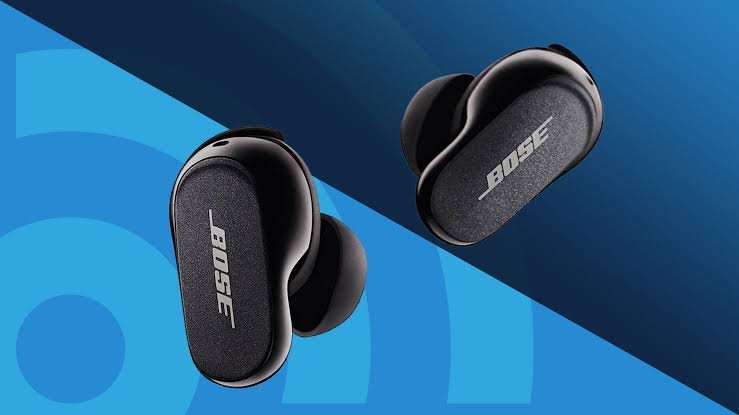
Asking what headphones do audiologists use reveals a pattern: hearing professionals choose accuracy, fit, and safe volume over bass and branding. Specific personal picks vary and are rarely published as official endorsements. Consequently, this guide follows the principles audiologists actually promote. Furthermore, those principles protect your ears as well as your music.
Key Takeaways
- Audiologists favour accurate, balanced sound over boosted bass.
- A good seal from well-fitted or noise-cancelling headphones lowers volume needs.
- WHO guidance: keep volume near 60 percent and stay below 80 dB average.
- At 85 dB, safe listening drops to about 12.5 hours per week.
What Hearing Professionals Prioritise
Clinical listening demands a flat, honest frequency response, because boosted bass hides detail. Comfort matters during long sessions, so light weight and even clamp force win. Closed-back or in-ear designs isolate outside noise in busy clinics. Durability and replaceable cables beat fashion features. Apply the same checklist and you shop like a professional.
Safe Listening Is the Real Expert Advice
The World Health Organization’s safe listening guidance is the standard audiologists cite. The WHO’s safe listening guidance says 80 dB is safe for up to 40 hours a week, while 90 dB shrinks that to four hours. It recommends keeping device volume at no more than 60 percent of maximum. Hearing damage is permanent, so volume discipline outranks any purchase.
Why Noise Cancelling Protects Your Hearing
In noisy places, listeners raise volume to drown out the surroundings. Well-fitted noise-cancelling headphones remove that pressure, so music stays clear at lower levels. The WHO recommends them for exactly this reason. However, cancellation is not hearing protection equipment. In genuinely loud workplaces, use rated ear defenders instead. Never rely on music headphones at a construction site.
Warning Signs to Act On
Ringing ears after listening mean the session was too loud. Muffled hearing or struggling to follow conversations are further warnings. The WHO advises contacting a professional when those signs persist. An audiologist would rather test your hearing early than fit hearing aids later. Turn it down today, and your future self keeps the music.
In short, copy the audiologist’s checklist: balanced sound, proper fit, noise cancelling for travel, and strict volume discipline. Your ears keep the difference.