Apple appears to be moving on from its Vision Pro headset after disappointing sales of the M5 model and high return rates. Despite hardware updates in late 2025, the $3,499 device faced criticism for its hefty price and weight. Reports suggest Apple has shifted its Vision Pro team to focus on AI-powered smart glasses, signaling a major shift in its wearable and AR/VR strategy.
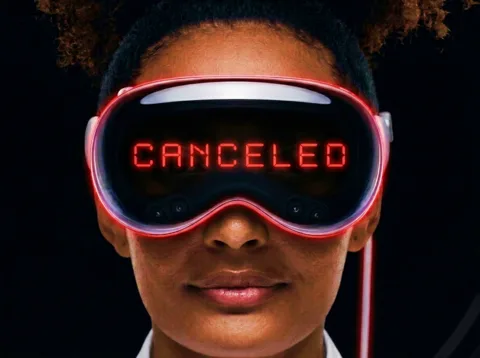
Vision Pro: A Short-Lived Ambition
According to MacRumors, Apple has effectively abandoned the Vision Pro project after the M5 refresh failed to gain traction.
The October 2025 update introduced a faster M5 chip and a more ergonomic “Dual Knit Band,” but it didn’t address the core issues: the steep $3,499 price and the bulky 1.3-pound weight. Unsurprisingly, most consumers weren’t eager to wear what some likened to a “football helmet” for work or casual YouTube viewing.
Lifetime sales of the Vision Pro have reportedly stalled at just 600,000 units. Even more concerning, insider sources claim the device has an unusually high return rate—higher than any other modern Apple product, including the infamous $1,000 Mac Pro wheels.
A Strategic Shift: From Vision Pro to Smart Glasses
Apple has now halted Vision Pro development and reassigned its hardware team to other projects, according to MacRumors. This decision follows the earlier cancellation of the more affordable “Vision Air” project. Notably, Vision Pro lead Mike Rockwell has transitioned to heading the Siri team—a move that coincides with Google’s announcement of its Gemini AI models, which will reportedly power Siri.
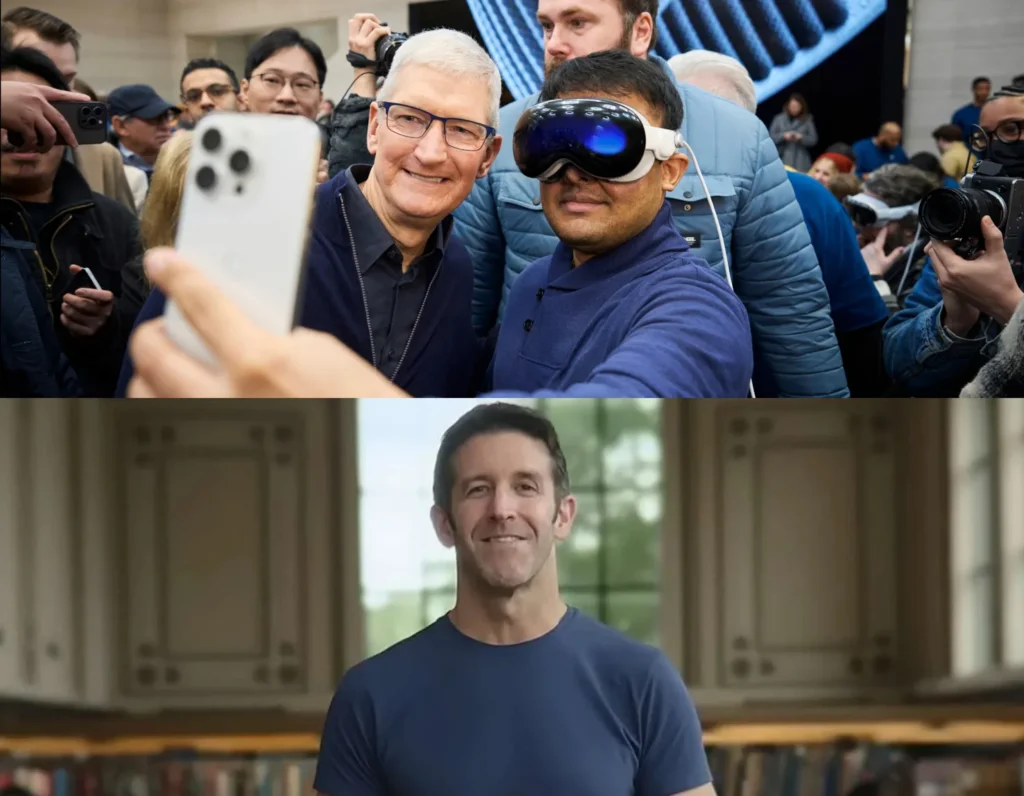
The shift may also reflect a change in leadership priorities. CEO-elect John Ternus, who has a track record of championing mass-market products like the MacBook, iPad, and AirPods, is rumored to have been less enthusiastic about the Vision Pro than Tim Cook. While the exact reasons for his skepticism remain unclear, Ternus seems to favor practical, widely appealing devices over niche, experimental hardware.
What’s Next for Apple?
While the Vision Pro M5 remains on sale, Apple is now focusing on developing AI-powered smart glasses. Unlike the VR-heavy Vision Pro, these glasses are expected to resemble the Ray-Ban Meta design, emphasizing AI functionality without an integrated display. Most importantly, they’ll come with a significantly lower price tag, making them more accessible to a broader audience.
The XR Market: Far From Over
Apple’s pivot doesn’t mean the extended reality (XR) market is slowing down. Meta remains the leader in this space, though it has reportedly delayed the Quest 4 until 2027. Samsung continues to sell its Galaxy XR headset and is also working on the recently leaked Galaxy Glasses, which are expected to compete directly with Apple’s upcoming smart glasses.
A Word of Caution
It’s worth noting that Apple hasn’t officially announced plans to discontinue the Vision Pro, which remains available for purchase. As with any leaked information, it’s wise to approach these reports with a healthy dose of skepticism.