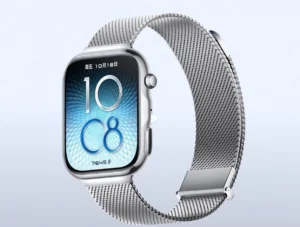
The smart rings vs smartwatches contest is not about which wearable is better, because they are built for different jobs. A smartwatch is a tiny computer that answers calls and runs apps. A smart ring is a silent sensor that measures your body while you forget it exists. Choose the computer if you want control; choose the ring if you want quiet data.
Key Takeaways
- Smart rings weigh about 4 to 6 grams and last most of a week.
- Rings excel at sleep and recovery, with no screen to disturb you.
- Smartwatches add GPS, apps, payments, ECG, and fall detection.
- Most flagship watches still need charging every one to two days.
Smart Rings vs Smartwatches: Health Tracking
CNET’s Oura Ring 4 review found its sleep and recovery tracking accurate enough to guide daily training decisions. Rings from Oura and Samsung run roughly seven to eight days per charge, so they record every night. Watches answer with more sensors and medical features, including ECG and blood oxygen. A ring measures quietly; a watch measures loudly and shows you the numbers.
Workouts, Screens, and Everyday Use
Watches win workouts because they show pace, maps, and heart-rate zones on your wrist. Rings cannot show anything, so they only record. That limitation is also their strength: no notifications, no glare, no distractions. Watches also handle calls, messages, payments, and music controls. A ring will never replace your phone’s screen, but it will never buzz at dinner either.
Costs Beyond the Price Tag
Rings and watches both carry hidden costs. Oura charges a monthly subscription for full insights, and its ring costs about the same as a mid-range watch. Apple and Samsung watches add no subscription, but their batteries and straps wear out. A ring lasts years without a screen to crack. A watch, by contrast, needs charging daily and invites damage every time you exercise.
Verdict: Sensor or Computer?
Buy a smart ring if sleep, recovery, and discretion matter most to you. Buy a smartwatch if you want GPS, apps, payments, and safety features on your wrist. Many people now wear both: a ring at night and a watch during the day. That combination covers every metric without compromise.
In short, rings measure quietly and watches act loudly. Know which job you are hiring for.