The tablet market is getting competitively tough in 2026 for the Android tablet. Samsung remains dominant in the high end Android tablet space with the Galaxy Tab S series, while OnePlus is making a strong stand in the market with high performance tablets at affordable prices.
The Galaxy Tab S11 vs OnePlus Pad 3 comparison is significant because both tablets have been designed to appeal to those who seek high-end features, solid multitasking support, and excellent entertainment performance, but not yet in the laptop price zone.
Productivity, software optimization, and ecosystem integration are key areas of Samsung’s focus. OnePlus values more on raw performance, fast charging and value. Both of the tablets are capable, but they cater to slightly different users.
We’re going to make this comparison based on various design features, display quality, performance, battery life, software experience, accessories, and value in 2026.
Design and Build Quality
Samsung is taking the Galaxy Tab S11 to a new level in the tablet industry by continuing to develop its premium design language. The tablet has a slim bezel, lightweight construction for such a large display, and an aluminum frame. Samsung also upgraded for durability by adding Gorilla Glass to prevent damage and water-resistant (IP68).
The Galaxy Tab S11 has a more premium touch. Its design is lightweight and compact, making it more convenient to use for long periods of time, particularly when working on documents or media editing, as is common with students and professionals.
The OnePlus Pad 3 is a little unique. It uses a rounded-edge aluminum design with a centered rear camera layout. It feels sturdy and contemporary, but is a little thicker and heavier than Samsung’s tablet.
OnePlus is more about functionality than high-end designs. The quality of it is excellent, but Samsung still seems a bit more refined.
Samsung also has a stronger ecosystem advantage. Galaxy tablets work seamlessly with Galaxy phones, Galaxy Books and Samsung wearables. The Second Screen, Quick Share and Samsung Notes synchronisation features enhance productivity like never before.
Samsung’s edge is its premium design and ecosystem integration.
Display Comparison
Display quality is one of the biggest areas in the Galaxy Tab S11 vs OnePlus Pad 3 comparison.
Samsung has powered the Galaxy Tab S11 with an 11.6 inch Dynamic AMOLED 2X display, which supports 144Hz adaptive refresh rate and HDR10+ support. Samsung’s AMOLED technology keeps producing more blacks, higher contrast and superb colour accuracy.
The display is outstanding for:
- Streaming content
- Photo editing
- Gaming
- Reading in low-light conditions.
- Outdoor brightness levels are also good.
The OnePlus Pad 3 features a 13.2-inch LCD panel that features a high resolution with 144Hz refresh rate. The display is crisp, smooth and surprisingly accurate, but it does not have AMOLED contrast.
OnePlus gets the advantage of the bigger screen. Users who multitask heavily may appreciate the extra workspace.
However, the Samsung AMOLED panel remains quite impressive for viewing media, HDR content. Blacks are darker, colors are more vivid, and viewing angles are more stable.
Samsung has the edge when it comes to pure display quality. OnePlus’ appeal increases in terms of productivity for larger screen sizes.
Performance and Hardware
Both tablets perform very well.
Galaxy Tab S11 features Qualcomm’s Snapdragon 8 Elite Gen 5 processor with up to 16GB of UFS 4.1 storage and RAM. Samsung made a good job optimizing the thermal performance, and this makes the device smoother to game or multitask than its predecessors.
The OnePlus Pad 3 is powered with the MediaTek Dimensity 9500 Ultra chipset. In most real world tasks, surprisingly performance is very close to Samsung’s tablet.
The apps are fast to start on both devices. Easy to multitask and great for gaming.
But Samsung still has an edge in software optimization for great Android-on-big-screen experiences. DeX mode is still one of the most easily accessible Android tablet desktop-style interfaces.
Split screen productivity is better done by Samsung than OnePlus in 2026 where OnePlus has enhanced the feature.The split screen productivity feature is enhanced in 2026, though it isn’t as efficient as Samsung.
Nearly identical gaming performance. Both of these tablets will play heavy games well at high settings.
Samsung is a bit better in long sustained workloads due to better thermally management.
Battery Life and Charging
Battery performance is another major area in the Galaxy Tab S11 vs OnePlus Pad 3 comparison.
Galaxy Tab S11 has a 10,500mAh battery, which supports 65W charging. This year, Samsung did an improvement job on its efficiency, and the tablet can now run through a full day’s worth of productivity and entertainment with ease.
OnePlus Pad 3 has a bigger battery of 12,000mAh capacity with 100W SUPERVOOC charging support.
OnePlus really outshines on charging capabilities. This is helpful for students and professionals who are on the move, as the Pad 3 charges much faster than the Samsung Tablet.
The OnePlus Pad 3’s bigger battery capacity also provides slightly better battery endurance.
But Samsung’s software optimisation reduces the gap in usage.
When it comes to speedy charging, OnePlus has an easy win.
Software Experience
Samsung’s biggest asset is software.
The Galaxy Tab S11 features One UI 8, which is built on the Android 16 operating system. Samsung’s tablet-operating system is the most optimized Android pill working experience accessible.
Features like:
- Samsung DeX
- Multi-window multitasking
- App continuity
- S Pen integration
- Samsung Notes
…make the tablet more like a thin laptop.
Samsung also promises longer software support, including seven years software security updates and several Android updates.
The OnePlus Pad 3 is powered by OxygenOS Pad Edition. The software is much cleaner and quicker than the previous OnePlus tablet software and is still a long way from being as refined as Samsung’s ecosystem.
OnePlus is good on animation smoothness and responsiveness. The user interface is light and quick.
However, Samsung is still more productive.
Accessories and Productivity
Samsung has better accessory support at large.
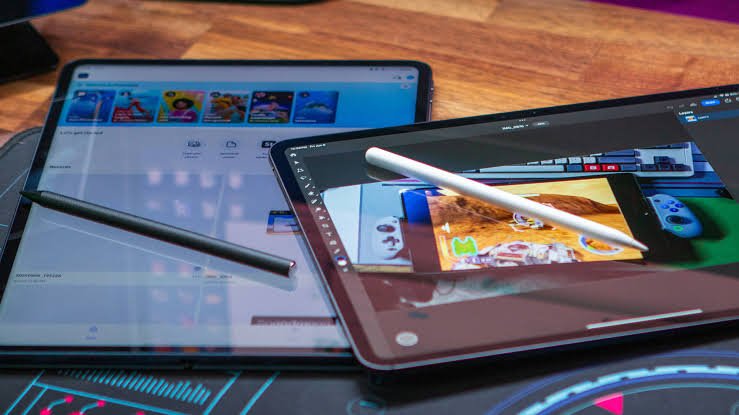
Galaxy Tab S11 has the latest S pen which has reduced latency and better handwriting recognition. The Samsung’s keyboard cover accessories are also more functional and developed.
The OnePlus Pad 3 also has a stylus and a keyboard case, although they are not always optimised for third-party apps so well.
Samsung’s accessory ecosystem continues to be more dependable for students, note-taking users, and designers and office workers.
Price and Value
If you take price into account, OnePlus becomes even more appealing.
According to reports, the OnePlus Pad 3 begins at an obviously lower cost than the Galaxy Tab S11 and provides the same kind of performance as a flagship and solid hardware.
Samsung’s tablet is more expensive because of:
- AMOLED display technology
- Better software optimization
- Longer update support
- Stronger ecosystem integration
Users focused mainly on entertainment and performance may find the OnePlus Pad 3 the better value.
Users focused on productivity and long-term reliability may justify Samsung’s higher pricing.
Conclusion
The Galaxy Tab S11 vs OnePlus Pad 3 comparison ultimately depends on what matters most to the buyer.
The Galaxy Tab S11 is the better overall premium Android tablet. It delivers superior display quality, stronger software optimization, better productivity tools, and longer software support.
The OnePlus Pad 3 offers stronger value. It provides excellent performance, larger battery capacity, and extremely fast charging at a lower price.