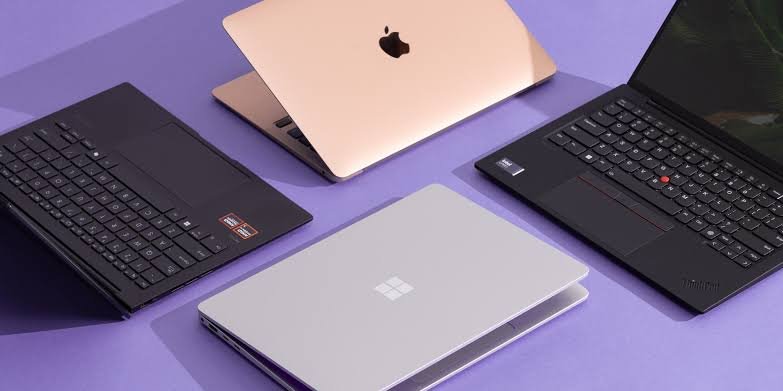
Purchasing a laptop in 2026 starts with one hard gate: Windows 11 support. Consequently, this 2024 checklist has been rebuilt on Microsoft’s current requirements. Furthermore, Windows 10 support has now ended. Here are the things to note before any money moves.
Key Takeaways
- Windows 11 needs a compatible 64-bit CPU, TPM 2.0, Secure Boot.
- Microsoft’s floor is 4GB RAM and 64GB storage — far too low to buy.
- Buy 16GB RAM and a 512GB SSD for a machine that lasts.
- Soldered memory cannot be upgraded later; check first.
Purchasing a Laptop: The Windows 11 Gate
Microsoft’s official Windows 11 specifications page lists the minimum requirements precisely. A compatible 64-bit processor must run at 1GHz or faster. Additionally, the machine needs TPM version 2.0. Consequently, very cheap older stock can fail this gate completely.
The Specifications Worth Paying For
Sixteen gigabytes of RAM keeps multitasking smooth for years. Furthermore, a fast NVMe SSD matters more than raw capacity. Choose 512GB where files and apps live locally. Additionally, prioritise screen quality, because you look at it constantly. Processor generation beats small clock-speed differences every time.
Total Cost and Ownership Checks
Price the warranty, bag, and essential software into comparisons. Furthermore, confirm whether RAM and storage can be upgraded. A replaceable battery extends a laptop’s useful life significantly. Additionally, buy from sellers offering written warranties. The cheapest quote often hides the weakest aftercare.
Verdict: Gate First, Then Comfort
Reject any laptop failing the Windows 11 gate outright. However, passing the minimum never makes a laptop good. Therefore, buy the 16GB and SSD baseline confidently. Additionally, test the keyboard and trackpad in person. Comfort decides satisfaction long after benchmarks fade.
In short, support first, specs second. Then buy once, well.