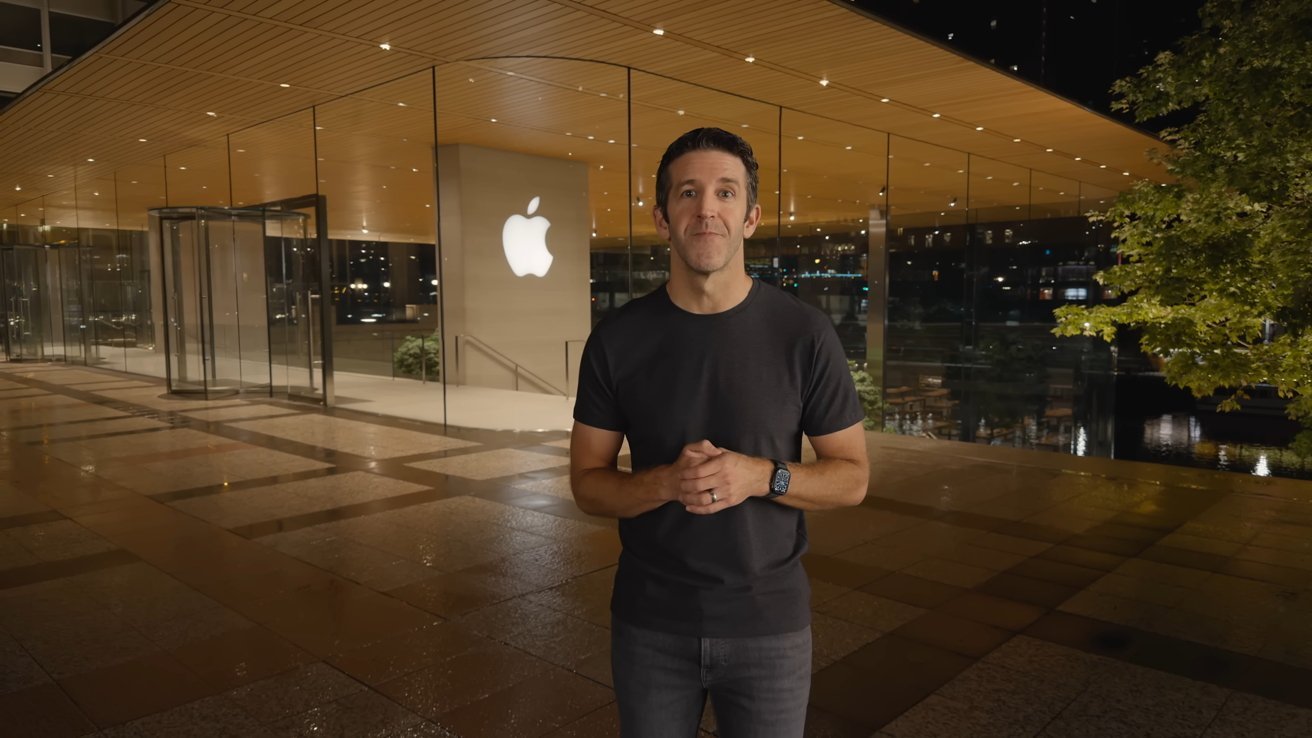
When Apple announced that Tim Cook would step down as CEO and transition into an executive chairman role, the decision marked the end of one of the most successful corporate leadership eras in modern history. But equally significant was the choice of his successor: John Ternus.
Unlike the dramatic transition from Steve Jobs to Cook in 2011, this leadership change was the result of years of quiet, meticulous planning. Ternus, a longtime insider and hardware engineering leader, had been steadily rising within Apple’s ranks for over two decades. By the time of the announcement in April 2026, many industry observers already viewed him as the inevitable heir apparent.
⚡ A Strategic Shift for Apple
His appointment signals continuity—but also a profound operational shift. Where Cook was an operations-focused supply chain executive, Ternus is fundamentally an engineer. His leadership promises to redefine Apple’s priorities at a time when the company faces mounting pressure in artificial intelligence, hardware innovation, and global market competition.
Early Life and Engineering Foundations
Born in May 1975 in the United States, John Ternus’s path pointed toward engineering from an early stage—a discipline that would ultimately define both his career and his leadership philosophy at the world’s largest tech company.
He attended the University of Pennsylvania, earning a Bachelor of Science in Mechanical Engineering in 1997. During his time at Penn, Ternus was not only academically driven but also a competitive athlete on the university’s swimming team. One of the most telling early indicators of his mindset was his senior engineering project: a mechanical feeding arm designed for individuals with quadriplegia, operable entirely through head movements. This project reflected a theme that would define his later work at Apple—technology built not just for raw performance, but for profound, human-centered usability.
Before donning the Apple badge, Ternus worked at Virtual Research Systems, where he designed early virtual reality hardware. Though VR would not become mainstream until decades later with products like the Vision Pro, this early exposure positioned him perfectly at the intersection of hardware design and emerging spatial technologies.
The Beginning of a 25-Year Journey
In 2001, Ternus joined Apple’s product design team. At the time, Apple was a vastly different company. The iPhone did not yet exist, and the Mac was still a niche product fighting for relevance. Ternus’s early work included critical contributions to the Apple Cinema Display, one of the company’s flagship hardware products at the time.
Over the next decade, Ternus quietly built a formidable reputation inside Apple as a reliable and highly skilled engineer. Unlike more public-facing executives, he remained largely behind the scenes, focusing on product execution rather than corporate visibility. This low-profile, high-output approach, however, did not go unnoticed by the executive team.
Rising Through the Ranks
Ternus’s ascent accelerated in 2013 when he was promoted to Vice President of Hardware Engineering under Dan Riccio. In this role, he began overseeing massive product lines, including the Mac, iPad, and AirPods. His responsibilities expanded significantly in 2020 when he took over iPhone hardware engineering—arguably the most critical and revenue-driving division within the entire company.
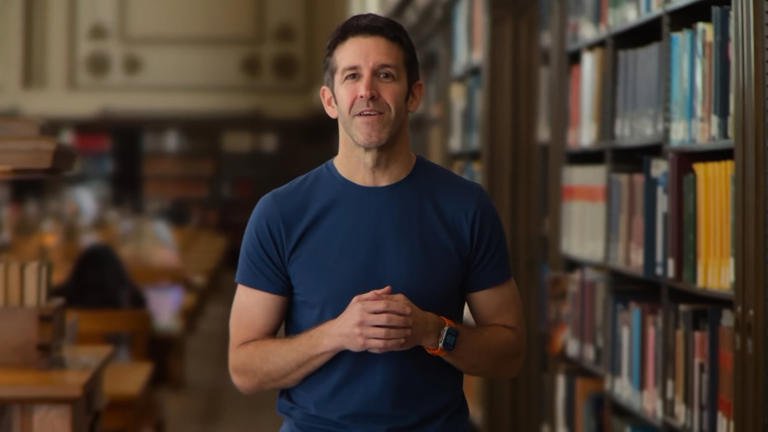
By 2021, Ternus had been promoted to Senior Vice President of Hardware Engineering, effectively placing him in charge of all hardware development across Apple. Few executives in the company’s history have wielded such broad influence over its product ecosystem, overseeing the iPhone, Mac, iPad, Apple Watch, AirPods, and Apple Vision Pro simultaneously.
The Architect of Apple’s Hardware Renaissance
Ternus’s tenure as hardware chief coincided with one of the most important technological shifts in Apple’s history: the transition from Intel processors to custom Apple Silicon. This move fundamentally transformed the Mac lineup, delivering unprecedented improvements in performance, thermal efficiency, and battery life.
Industry analysts widely credit Ternus as one of the key masterminds behind this transition—a strategic maneuver that revitalized Mac sales and reinforced Apple’s absolute control over its hardware-software ecosystem. Beyond Apple Silicon, he expanded the wildly successful AirPods ecosystem and laid the hardware groundwork for Apple’s entry into spatial computing.
Leadership Style: The “Product Perfectionist”
Unlike many modern tech CEOs who ascend from finance, marketing, or operations backgrounds, Ternus is first and foremost an engineer. According to Reuters, he is widely known internally as a “product perfectionist,” emphasizing precision, quality, and user experience above all else—a philosophy closely aligned with that of Steve Jobs.
Ternus focuses on product fundamentals—performance, usability, and deep integration—rather than managing purely by financial spreadsheets.
Described as “well-liked” and “charismatic” internally, offering a notable contrast to some of the more intense historical leadership styles in Silicon Valley.
Rather than chasing industry trends, he emphasizes practical applications, viewing AI as a tool to enhance products rather than an end in itself.
Why John Ternus Was Chosen as CEO
The decision to appoint Ternus as CEO was not a sudden reaction to market forces; it was the culmination of years of strategic board planning. Several key factors drove this historic appointment:
- Deep Institutional Knowledge: 25+ years at Apple, touching nearly every major product line.
- Proven Track Record: Instrumental in the development of Apple’s most successful products and the flawless Apple Silicon transition.
- Leadership Continuity: Apple historically favors internal promotions to ensure cultural and strategic stability.
- Hardware Expertise: With hardware still driving the vast majority of Apple’s revenue, his expertise perfectly aligns with the core business model.
- Unanimous Board Confidence: The decision reflects ironclad internal support from Apple’s directors and outgoing leadership.
The Challenges Ahead
Ternus takes the helm at a critical juncture for the tech industry. Artificial Intelligence remains his immediate battlefield. While Apple has introduced “Apple Intelligence,” they face criticism for lagging behind competitors like Google and Microsoft. Ternus’s challenge is to deeply integrate AI without compromising Apple’s strict privacy standards and user experience.
Furthermore, he must navigate an era of intensifying competition from Samsung and Meta—especially as rivals like Microsoft aggressively target top AI talent—alongside relentless innovation pressure from consumers and the complex geopolitical and supply chain hurdles that his predecessor so masterfully managed.
🍏 Conclusion: The Engineer CEO
John Ternus’s rise from a mechanical engineering graduate to the CEO of a $4 trillion company is a testament to consistency, domain expertise, and quiet, effective leadership. He is not a flashy visionary in the mold of Steve Jobs, nor a logistics savant like Tim Cook. Instead, he represents something different: a deeply technical leader who understands Apple’s products down to their atomic core.
His appointment signals a potential shift back toward product-driven leadership. It reflects a core belief that the future of technology will be shaped not just by business strategy, but by pure execution—the ability to build hardware that seamlessly integrates into people’s lives.
As Apple enters its next chapter, the question is not whether Ternus can maintain the company’s success—but whether he can redefine it.