The smartphone market in 2026 will be very competitive in the premium Android space, particularly the camera category. The Huawei P80 Pro and the Xiaomi 17 Ultra are two of the biggest contenders. The two smartphones are aimed for users who are looking for “flagship” kind of photography, high-end hardware, premium displays, and AI capabilities.
Huawei P80 Pro vs Xiaomi 17 Ultra is particularly significant, as these two phones adopt vastly different strategies to flagship performance. Huawei is well known for its innovation in photography, image processing, features related to satellite communication and refinement of premium hardware. Xiaomi crams in specs for the flagships, aggressive charging, camera tuning via Leica and raw performance.
The two devices are at the top of the Android market, though one has some advantages over another in terms of the user. They compare their design, display quality, performance, cameras, battery life, software experience, and value to find out which flagship is better in 2026.
Design and Build Quality
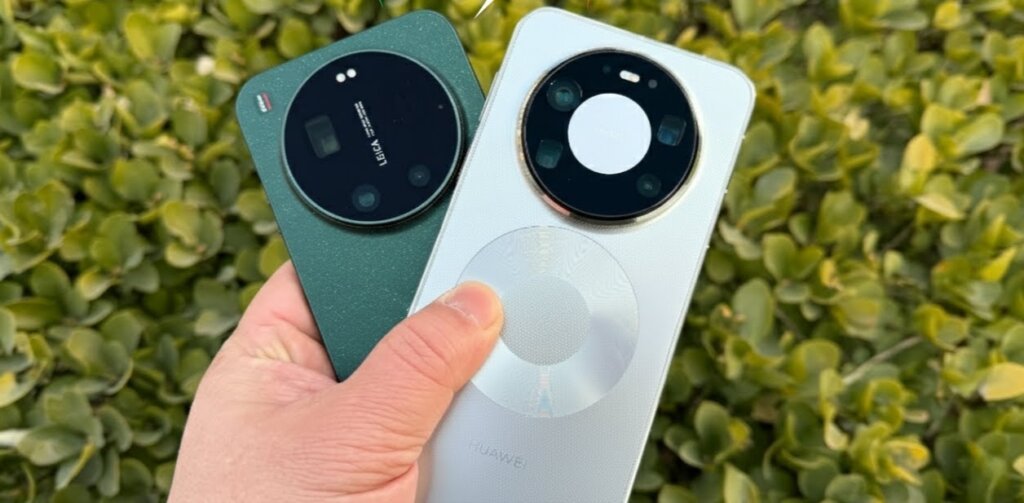
The Huawei P80 Pro aims to follow the Huawei’s “premium flagship design language” of curved glass, thin bezels and a matte aluminum body. The phone’s elegant, refined feel in hand. Huawei also has a massive circular camera module to look like a flagship phone.
The Xiaomi 17 Ultra, on the other hand, is a more aggressive take. The device looks more aggressive and photography-focused, especially because of its massive rear camera system and Leica branding. Xiaomi has applied premium materials such as Gorilla Glass protection and a strong aluminum frame, but it feels slightly bulkier than Huawei P80 Pro.
The two devices are both water and dust resistant, as would be expected for their price point.
The Huawei P80 Pro feels more balanced and lighter to hold in daily use, whereas the Xiaomi 17 Ultra feels more like an action-packed camera flagship.
Huawei’s build quality is a little better overall, while Xiaomi’s styling better conveys the message of its flagship camera aspirations.
Read Also: Motorola Razr 2026 vs Samsung Galaxy Z Flip 7
Display Quality
Both of these smartphones have excellent display quality.
Huawei P80 Pro has a high resolution LTPO OLED screen and supports adaptive refresh rate up to 120Hz. Huawei keeps on performing well in terms of colour accuracy and brightness. The colors in the display don’t appear overpowering.
The Xiaomi 17 Ultra also features a high quality AMOLED display panel, which supports LTPO technology and 120Hz refresh rates. Xiaomi is pushing a bit higher brightness peak, which makes it easier to read in the open under direct sunlight.
The Xiaomi 17 Ultra also features superior gaming-friendly display settings, such as quicker touch response and gaming lag.
Huawei emphasizes more on the visual balance and eye comfort. The P80 Pro is ideal for low-light viewing and is equipped with advanced eye protection features for extended viewing.
Both displays are great for media consumption and for daily use. Xiaomi has a slight edge when it comes to responsiveness for gaming, and outdoor brightness, while Huawei offers a more refined viewing experience overall.
Performance and Gaming
The Huawei P80 Pro vs Xiaomi 17 Ultra comparison reveals the most significant hardware difference in the form of the processors.
Xiaomi 17 Ultra is powered by Qualcomm’s Snapdragon 8 Elite Gen 5 chipset and equipped with LPDDR5X RAM and the super-fast UFS 4.1 storage. This will account for Xiaomi having a significant edge in raw gaming performance, multitasking speed and benchmark testing.
Huawei’s Huawei P80 Pro is powered by the latest Kirin flagship chipset by Huawei. While Huawei has made significant gains in performance over previous Kirin generations, Qualcomm remains the clear winner in terms of gaming optimization and the performance of its GPUs.
Read More: Google Pixel 10 Pro vs Google Pixel 9 Pro
In practical usage:
- Both phones are very responsive.
- The app opens up immediately.
- Multitasking is smooth
- The AI processing is top-notch.
But Xiaomi gets the edge when it comes to gaming.
The Xiaomi 17 Ultra holds higher frame rates in heavy games, such as:
- Genshin Impact
- Warzone Mobile
- PUBG Mobile
- Honkai: Star Rail
Thermal management is also improved on the Xiaomi 17 Ultra while you are playing games for long periods of time.
The Huawei P80 Pro emphasizes on playing power rather than in balance and in battery.
Xiaomi is pretty clear the winner in the gaming and raw-speed crowd.
Camera Comparison
This flagship battle gets very close in the camera department.
In terms of smartphone photography, the Huawei P80 Pro has maintained Huawei’s high standards. Huawei hates to miss an opportunity to showcase computational photography, low-light imaging and advanced zoom capabilities.
The P80 Pro excels in:
- Night photography
- Dynamic range
- Natural color reproduction
- Long-range zoom
- Portrait photography
Huawei also has a more realistic image processing than many other manufacturers don’t, making it look less “sharpened” than some.
The Xiaomi 17 Ultra is equipped with Leica-lensed cameras and very impressive hardware sensors. Xiaomi has been all about cinema photography, powerful detail capture, and manual control as a pro.
The Xiaomi 17 Ultra is outstanding in terms of:
- Daylight detail
- Video recording
- High-resolution image capture
- Fast shutter performance
- Cinematic color profiles
The main difference is in the way you take your photos.
Huawei is focused on capturing images that have a natural appearance and are well-exposed with accurate colors.
Xiaomi emphasizes on bold, crisp and highly detailed photos with better contrast.
The 8K optimization and better stabilization of Xiaomi gives them a slight advantage when it comes to video recording.
Huawei is still one of the leading brands of smartphone camera makers in the world for still photography and low-light performance.
Xiaomi offers users greater flexibility and more professional camera controls.
Battery Life and Charging
Both devices are pretty good for battery performance, but Xiaomi has got the edge on the charging speed.
The new Xiaomi 17 Ultra is compatible with ultra-fast wired charging, which allows the battery to charge up very quickly. As for speed, wireless charging is closing in on the fastest pace in the flagship market, as well.
In addition, fast charging is also supported, but Xiaomi is more aggressive when it comes to the charging technology as a whole.
Huawei’s software optimization and balanced chipset power usage help the P80 Pro to be very efficient in battery endurance.
Now when using the project normally every day:
- Huawei offers slightly improved battery life
- Xiaomi’s rates are much higher.
If you are a heavy user and need to charge your phone rapidly, then Xiaomi is better suited for you.
Huawei’s performance is marginally superior to the users with a focus on battery longevity.
Software Experience
Software remains one of the most important differences in the Huawei P80 Pro vs Xiaomi 17 Ultra comparison.
The Xiaomi 17 Ultra has HyperOS on Android, supports all Google services. This provides Xiaomi a significant edge worldwide since it allows users to have access to:
- Google Play Store
- Gmail
- Google Maps
- YouTube
- Google Assistant
The Huawei P80 Pro runs HarmonyOS. Huawei’s software is smooth, polished, and highly optimized, but the absence of native Google services remains a major limitation for many international users.
Huawei’s ecosystem works well inside Huawei’s own platform, but app compatibility can still be inconvenient depending on the user’s region and workflow.
For software flexibility and app ecosystem support, Xiaomi clearly has the advantage.
Final Verdict
The Huawei P80 Pro vs Xiaomi 17 Ultra comparison shows two flagship phones designed for different priorities.
The Huawei P80 Pro focuses on photography excellence, premium refinement, and battery efficiency. It remains one of the best smartphones for users who prioritize mobile photography above everything else.
The Xiaomi 17 Ultra focuses on raw flagship power, gaming, charging speed, and software flexibility. It delivers a more complete all-around Android flagship experience for most users.
For camera-focused users who value photography realism and premium design, Huawei remains highly competitive.
For users wanting maximum performance, stronger gaming capability, and broader app support, the Xiaomi 17 Ultra is the stronger overall flagship in 2026.