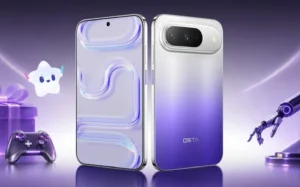
Huawei has a new phone brand, and its first phone refuses to look like every other phone on the shelf. The OSTA O1 Pro launched in China on November 20, and it is wide — properly wide — with a screen shaped more like a small TV than a tall rectangle, a 200MP camera, and a 7,000mAh battery squeezed into a body just 6.68mm thick.
OSTA is Huawei’s first new smartphone brand since it sold Honor in 2020, and the O1 Pro is its opening move: flagship hardware, a lower price than Huawei’s mainline phones, and software that puts AI before your apps. There is one big catch for most readers, though — for now, it is China-only.
The verdict up front
The OSTA O1 Pro is the most interesting phone Huawei has launched in years: a genuinely different shape, serious cameras and battery, and a price that undercuts Huawei’s own Mate 80 Pro. But there is no ultra-wide camera, no Google services, and no international release date — so for now, it is a fascinating phone most of the world cannot buy.
Tech Mansion take: a bold experiment, priced to tempt — if it ever leaves China.
The screen is the story
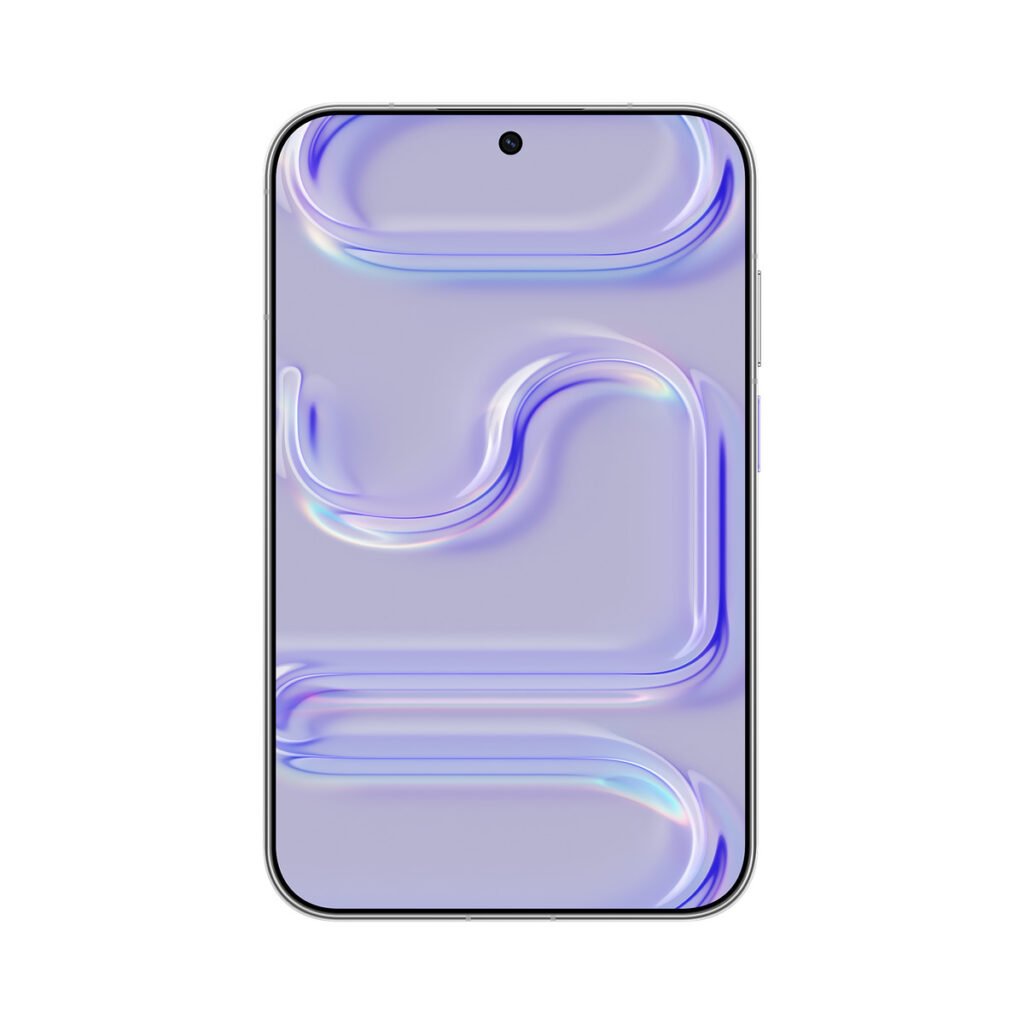
Almost every phone today uses a tall, narrow 20:9 screen. The O1 Pro breaks that habit with a 6.39-inch display in a 16:9.5 aspect ratio — noticeably wider and shorter, closer to the shape of a TV. It is a flat 1.5K LTPS panel with a 120Hz refresh rate, 300Hz touch sampling, and a claimed peak brightness of up to 6,500 nits, wrapped in bezels just 1.05mm thin on all four sides for a 96.1% screen-to-body ratio, according to Gizmochina’s launch report.
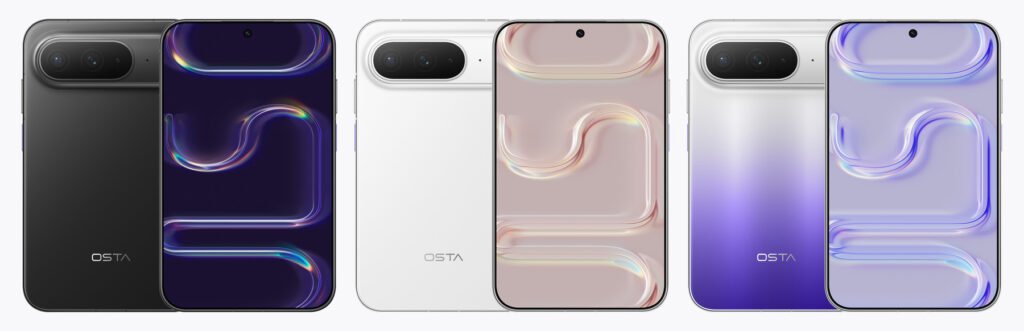
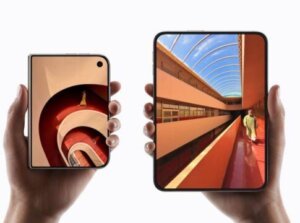
That wide shape is more than a styling trick. As Memeburn calculated, a 6.39-inch screen in this shape has roughly the same display area as a typical 6.9-inch phone — it is just about 15% wider and 13% shorter. Videos fill more of it, web pages and maps get more horizontal room, and you never have to unfold anything to get it. The trade-off is in the hand: a wider phone is harder to reach across one-handed, something Yanko Design flagged in its early look at the design.
This is not Huawei’s first wide phone — the idea comes from the Pura X View, which uses the same 16:9.5 shape. OSTA takes that concept, wraps it in a new brand, and sells it cheaper. It is the same play Huawei ran with Honor years ago: a separate badge that can chase a lower price and a younger audience without discounting the premium name, as The Gadgeteer explained.
OSTA O1 Pro specs at a glance
Cameras: big sensor, big zoom, one omission
The camera system is built around a 200-megapixel main sensor (1/1.28-inch, RYYB) with optical image stabilisation, paired with a 50MP periscope telephoto offering 3.7x optical zoom and Huawei’s Red Maple colour sensor, which helps the phone get colours right. There is no ultra-wide camera at all — a deliberate cut, and the phone’s most argued-over decision.
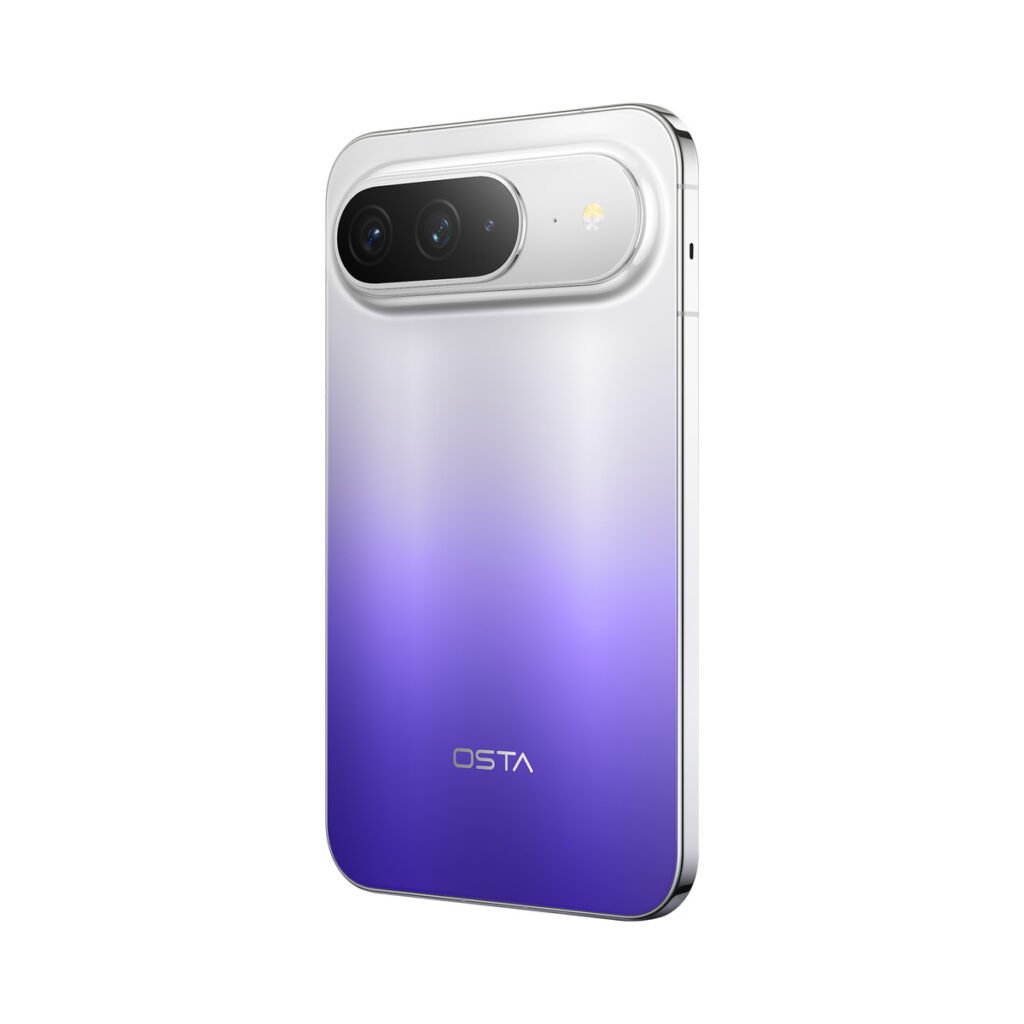
For most people, that trade barely matters: the main camera and the zoom cover portraits, everyday shots and anything far away. But if you shoot buildings, landscapes or group photos in tight rooms on the 0.5x setting, this phone simply cannot do it. As GizChina put it, the O1 Pro “is an unusual phone, and that is what makes it interesting” — but the reviewers are “less sure about the lack of an ultra-wide camera, especially at these prices.”
HarmonyOS 7 puts AI first — literally
The O1 Pro is the first phone to ship with HarmonyOS 7 AI Pioneer Edition, and Huawei is calling it a HarmonyOS AI phone for a reason. Switch it on and the first screen is not your apps: it is an AI screen run by Xiaoyi, Huawei’s assistant, with a new cartoon star character called Xiao Xingmang. The system is built to take you straight to what you need, and it can even generate a phone theme from a single image.
The name fits the pitch. OSTA is called Xingmang in China — 星芒, meaning “starlight” — and the whole brand leans young, from the star mascot to game skins and bright icons. Huawei’s consumer chief Richard Yu confirmed the brand on November 11, and the launch event took place in Beijing on November 20, alongside the Stelato V8 car.
Price and availability: cheaper than the Mate, for now
In China, the O1 Pro starts at 5,699 yuan (about $800) for 12GB of RAM and 256GB of storage, with a limited-time pioneer price of 5,499 yuan (about $775) running through December 31. Sales began at 6:08pm China time on November 20 through Huawei’s Vmall store and JD.
| Model | Pioneer price | List price |
|---|---|---|
| 12GB + 256GB | 5,499 yuan (~$775) | 5,699 yuan (~$800) |
| 12GB + 512GB | 6,499 yuan (~$915) | 6,699 yuan (~$945) |
| 16GB + 512GB | 7,299 yuan (~$1,030) | 7,499 yuan (~$1,055) |
| 16GB + 1TB | 8,799 yuan (~$1,240) | 8,999 yuan (~$1,270) |
Starry Black and Nebula White are limited to the 12GB models, while Starburst Purple is reserved for the 16GB versions. Huawei has not announced any international availability or pricing, and the phone ships without Google Play Services, as with the rest of Huawei’s current lineup. Early hands-on units in China also arrived without a charger in the box — just a braided USB-C cable, a clear case and a SIM tool.
OSTA O1 Pro vs Huawei Mate 80 Pro
The obvious comparison is with Huawei’s own flagship. The O1 Pro undercuts the Mate 80 Pro by roughly 500 yuan, packs a larger main camera sensor and a bigger battery — but gives up the ultra-wide lens and the Mate’s more mature flagship polish, according to Pandromeda’s head-to-head.
| OSTA O1 Pro | Mate 80 Pro | |
|---|---|---|
| Starting price (China) | 5,499 yuan pioneer (~$775) | ~5,999 yuan (~$845) |
| Display | 6.39″ wide 16:9.5, 120Hz | Tall flagship display |
| Main camera | 200MP RYYB | 50MP |
| Zoom | 50MP periscope, 3.7x | 48MP telephoto, up to 4x |
| Ultra-wide | None | 40MP |
| Battery | 7,000mAh, 66W wired | Smaller (reported) |
| Chip | Kirin 9030S | Kirin 9030 series |
Against the Pura X View, the deal is even tighter: same wide shape, same chip and the same headline cameras, but the OSTA is cheaper, offers up to 16GB of RAM, and drops the Pura’s 8MP ultra-wide. If you want the wide screen and mostly shoot with the main camera or the zoom, OSTA gives you nearly the same phone for less money.
What is OSTA, exactly? Tap to read
OSTA is a new Huawei sub-brand — the same strategy Huawei used with Honor before selling that brand in 2020. In China it is called Xingmang (星芒), meaning “starlight”, and the phones carry the OSTA name on the back instead of a Huawei logo. Huawei’s consumer chief Richard Yu confirmed the brand on November 11, 2026.
The idea is simple: a sub-brand lets Huawei sell a cheaper, younger, more experimental phone without putting a flagship name on a discount. The O1 Pro opens on an AI screen instead of your apps — a bigger software swing than Huawei usually takes on its main line — and a swing that misses on a youth brand costs far less than one that misses on a flagship. A cheaper model, the plain OSTA O1, is also expected, though it has not appeared in Huawei’s store yet.
Full OSTA O1 Pro specifications — tap to expand
- Display: 6.39-inch flat LTPS OLED, 1.5K, 16:9.5, 120Hz, 300Hz touch sampling, up to 6,500 nits peak, 1.05mm bezels, 96.1% screen-to-body
- Chip: Kirin 9030S, with vapour-chamber cooling
- RAM / storage: 12GB+256GB, 12GB+512GB, 16GB+512GB, 16GB+1TB
- Rear cameras: 200MP main (1/1.28-inch RYYB, OIS) + 50MP periscope telephoto (3.7x optical zoom, OIS) + Red Maple multispectral colour sensor; no ultra-wide
- Battery: 7,000mAh, 66W wired charging, wireless charging, side fingerprint sensor
- Software: HarmonyOS 7 AI Pioneer Edition, no Google Play Services
- Build: 6.68mm thick, about 200g, Kunlun Glass, IP68 / IP69 dust and water resistance
- Colours: Starry Black, Nebula White, Starburst Purple
- Price: from 5,499 yuan pioneer price (~$775) in China; no international release announced
What people are saying
“I admit that the OSTA O1 Pro is an unusual phone, and that is what makes it interesting. The wide screen gives Huawei a chance to offer something different, while the slim body and 7,000mAh battery are an impressive mix on paper.”
— GizChina, on the launch“A sub-brand lets Huawei sell a cheaper phone without putting a flagship name on a discount… It also gives Huawei a safer place to experiment.”
— The Gadgeteer, on why OSTA exists“Rather than resembling a long remote control, the O1 Pro has a squatter silhouette. That could give a page, map, or photograph more horizontal breathing room without asking you to unfold anything.”
— Yanko Design, on the wide shapeShould you buy it? The bottom line
If you live in China, the OSTA O1 Pro is a genuinely tempting phone: flagship cameras and battery, a screen shape nothing else offers without a folding hinge, and a price under Huawei’s own Mate line. The missing ultra-wide and the AI-first home screen are the two things to think about before buying — and the missing charger in the box stings at this price.
For everyone else, the O1 Pro is a sign of where phones are heading rather than a phone you can buy. The wide-screen idea is spreading fast: Samsung’s Galaxy Z Fold 8 and Apple’s iPhone Duo already chase the same short, wide shape with folding screens, and Motorola’s Razr Flex is on the way too — see Tech Mansion’s foldable guide, our iPhone Duo review roundup and the Razr Flex confirmation. Huawei just proved you do not need a hinge to get there — and did it for under $800. If OSTA ever leaves China, the rest of the industry should be worried.
Sources:Gizmochina, Huawei Central, GizChina, The Gadgeteer, Memeburn, Yanko Design, Pandromeda.