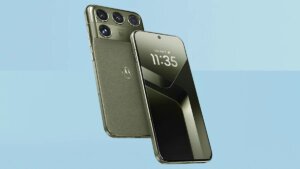
AI has stopped being a feature you open. On current phones it sits inside the camera, the keyboard, the gallery and the voice assistant, and the question is no longer whether it arrives but how much of it runs on the device itself. ChatGPT and Gemini are the clearest examples: both now ship as apps that also answer from your photos, voice and screen.
Key Takeaways
- ChatGPT and Gemini both run as phone apps, with camera and voice input.
- Google pairs Gemini with on-device Gemini Nano for faster private tasks.
- Apple Intelligence is the on-device counterpart, limited to iPhone 15 Pro and later.
- Live camera AI translates, identifies and explains what it sees in real time.
ChatGPT on Your Phone in 2026
The ChatGPT app now sees, hears and speaks. Point the camera at a sign for a live translation, photograph a handwritten note and ask for a summary, or hold a spoken conversation while you walk. Furthermore, its memory can recall your preferences across chats. However, the free tier still caps the most advanced model, so heavy users will meet limits quickly.
Gemini, Nano and Live Camera AI
Google’s Gemini is built into Android and the Gemini app, and Gemini Nano handles some tasks directly on Pixel and Galaxy phones. Additionally, live camera mode answers questions about whatever is in frame, from a plant to a printed page. Therefore, the fastest answers never leave the phone, which also keeps sensitive images private.
On-Device Assistants and What’s Next
Apple Intelligence takes the same on-device route on iPhone 15 Pro and later, processing writing tools and summaries locally. Additionally, Samsung’s Galaxy AI ships its own on-device translations and photo editing. Therefore, the real split in 2026 is no longer Apple against Android. It is cloud AI against on-device AI, and every maker is racing to move more work onto the phone.
In short, AI integration is no longer coming to your phone. It is already there, in the camera, the keyboard and the assistant you use every day.