Google is done asking nicely. The company has announced new Google Play rules that put every Android app on a deadline: from April 2027, apps that don’t work properly on foldables will no longer be able to publish or update on the Play Store.
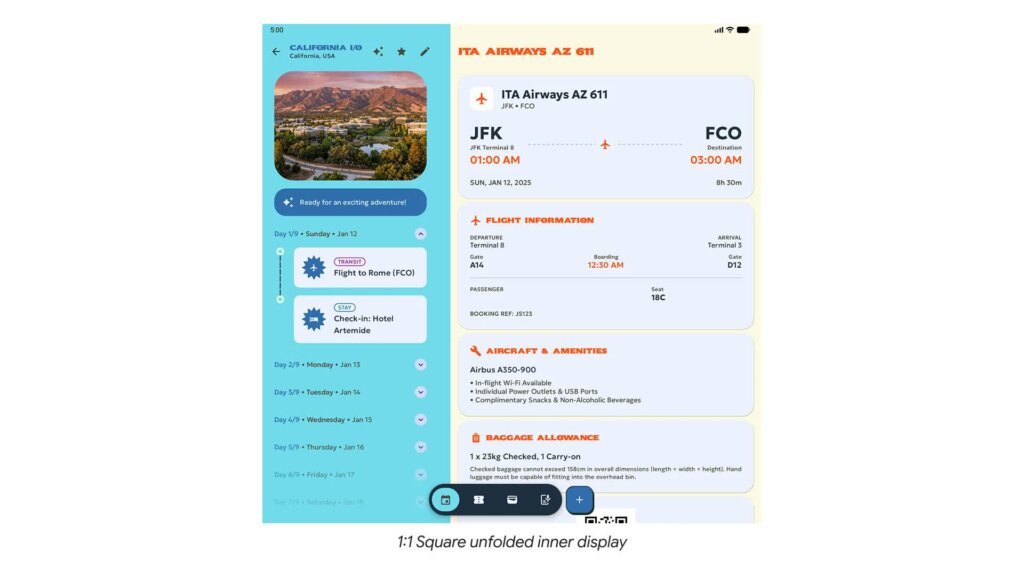
The announcement, posted on the Android Developers Blog, names its reference devices outright — the Samsung Galaxy Z Fold8 Ultra and Google Pixel 11 Pro Fold for squarer 1:1 inner screens, and the Galaxy Z Fold8 for 4:3 — which tells you exactly who this is aimed at: anyone whose app still shows black bars on a $1,900 foldable.
The new baseline: Tier 3 or no updates
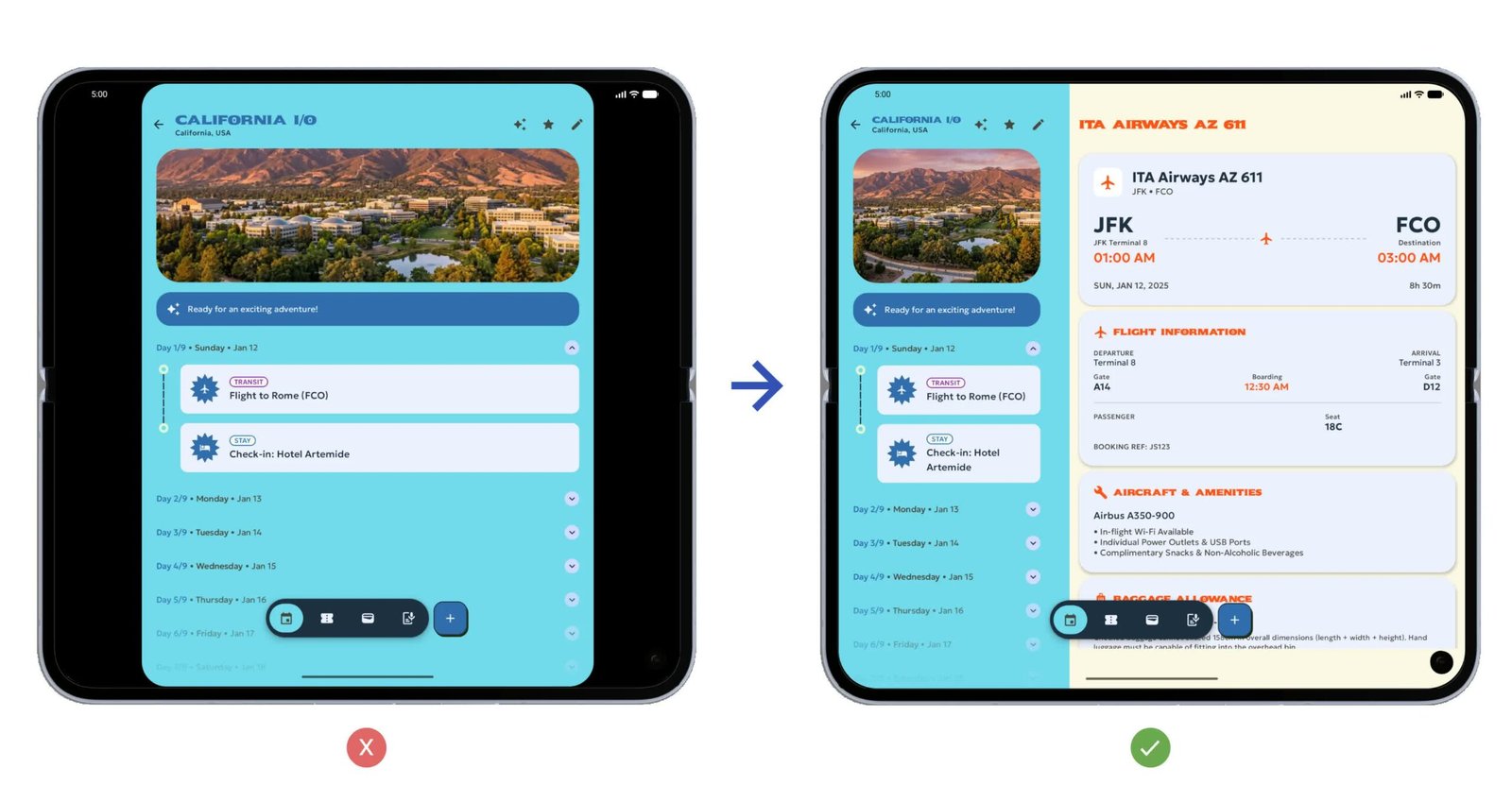
From April 2027, apps must meet at least Tier 3 of Google’s adaptive app quality guidelines — the “Adaptive ready” tier. That means:
- Fill the whole display — no letterboxing or compatibility modes
- Keep your place: scroll position, typed text and media playback must survive folding, unfolding, rotating and resizing
- Work properly in multi-window mode
Miss the bar and the punishment is real: no new publishes, no updates, and Google warns that visibility in the Store may drop too. Apps that simply never update again will stay downloadable — they’ll just be frozen in time.
If you’re shopping the current crop, our guide to the best foldable phones of 2026 covers exactly the hardware these rules are built for.
Foldable screenshots become mandatory
Also from April 2027, every new app and listing update must include 3 dedicated foldable screenshots alongside the standard 2 phone screenshots. Developers can upload them in Play Console starting today, and Google says they will start appearing on listings over the next few weeks — an easy early tell for which developers actually care about foldable owners.
Apps that go further — Tier 2’s responsive multi-pane layouts, Tier 1’s tabletop postures and camera continuity — can already apply for Play badging and extra promotion.
Games get more time — until August 2027
Games must add the foldable screenshots by April 2027 like everyone else, but their Tier 3 quality deadline lands in August 2027. For games, the baseline means full-screen rendering in supported orientations, HUD elements kept clear of obstructions, and game state and touch alignment preserved when you fold, unfold or rotate — no more controls drifting out of line mid-session.
August 2027 brings a second deadline for everyone: new and updated apps must target Android 17 (API level 37), which removes the developer opt-outs that let apps lock orientation or block resizing on large screens.
Why now?
Google says more than 580 million large-screen devices are in use, and the timing is hard to miss — Apple’s iPhone Duo has been on sale since October 23, and reports say Apple is requiring foldable screenshots for App Store submissions by April 2027 as well. Google’s version goes further: it doesn’t just ask for screenshots, it blocks updates. We compared Apple’s entry against Samsung’s flagship in iPhone Duo vs Galaxy Z Fold 8 — the software gap is now the battleground. Samsung’s newest wide foldable rival is also already official — read our Motorola Razr Flex coverage.
For Fold 8 and Pixel 11 Pro Fold owners, this is the fix they have been promised for years: the apps on a big folding screen will finally have to behave like they belong there. Check the full specs of the Galaxy Z Fold 8 and watch Play listings over the next few weeks — the foldable screenshots are coming, and the apps without them are on the clock.
Source: Android Developers Blog