By Tech Mansion Editors | Updated June 2026
For years, the Samsung Galaxy Ultra has been defined by one underlying philosophy: maximum hardware. More cameras, more features, and more sheer power. However, the massive leaks surrounding the upcoming 2027 Galaxy S27 lineup suggest Samsung is preparing to do the unthinkable—removing a camera from the back of their most premium phone.
✨ Quick Facts (TL;DR)
- Camera Removal: The S27 Ultra is dropping the dedicated 10MP 3x optical telephoto lens in favor of a massive 200MP main sensor crop.
- Battery Breakthrough: Freeing up internal space allows for a colossal 5,500mAh to 6,000mAh silicon-carbon battery.
- The New S27 Pro: A highly anticipated 6.47-inch compact flagship featuring Ultra-level cameras but no S-Pen.
- Design Changes: Moving to a horizontal camera layout to support native Qi2 Magnetic Charging.
- Security & Power: Introducing “Polar ID” 3D facial recognition and powered by the 2nm Snapdragon 8 Elite Gen 6 Pro.
Before you grab your pitchforks, this controversial camera downgrade is actually the secret key to unlocking a massive battery upgrade we have been begging for since the Galaxy S20 era. Furthermore, it paves the way for a radically transformed Samsung ecosystem. Let’s break down everything coming to the successor to the Galaxy S26 Ultra.
The Camera Sacrifice: Why the 3x Telephoto is Dead
According to heavily corroborated leaks out of Korea, the Galaxy S27 Ultra is officially abandoning its famous quad-camera array, dropping the dedicated 10-megapixel 3x optical telephoto lens. For a device that built its reputation on unmatched zoom capabilities, stripping away physical glass sounds like a step backward. But when you look at the raw engineering, it makes perfect sense.
Samsung hasn’t given up on zoom; they’ve simply outgrown that specific lens. The S27 Ultra is heavily tipped to feature a massive new 200-megapixel primary sensor—reportedly a custom ISOCELL HPA or HP6 sensor measuring an absolutely massive 1/1.12 inches.
This sensor is expected to integrate new LOFIC HDR technology, allowing it to handle extreme highlights and deep shadows flawlessly. Because this 200MP sensor is so incredibly sharp, a digital crop at 3x magnification will actually look significantly better than a photo taken through a tiny 10MP optical lens. Combine that with the dedicated 50MP 5x periscope lens, and the old 3x physical lens is essentially just dead weight.
Breaking the 5,000mAh Battery Ceiling
Removing that dead weight is the catalyst for the single biggest upgrade in the S27 Ultra. Ever since 2020, Samsung has been completely stuck at the 5,000mAh battery limit. Every square millimeter inside a modern flagship is fiercely fought over by cooling vapor chambers, processing chips, and camera hardware.
By finally ripping out the 3x telephoto sensor hardware, Samsung has freed up a massive chunk of internal volume. Leaks suggest Samsung is combining this reclaimed space with next-generation high-density silicon-carbon battery technology.
In an era where on-device AI tasks are constantly draining power, a physically larger silicon-carbon cell is the only true solution to achieving genuine multi-day battery life without throttling performance.
Enter the Galaxy S27 Pro: The iPhone Assassin
Perhaps the biggest business move Samsung is making next year is the introduction of a completely new, highly anticipated tier: the all-new Galaxy S27 Pro.
Samsung is finally tired of watching Apple dominate the compact premium flagship market. Currently, if you want Samsung’s absolute best cameras, you are forced to buy the massive, heavy, 6.9-inch Ultra model. The Galaxy S27 Pro is engineered to fix this exact gap.
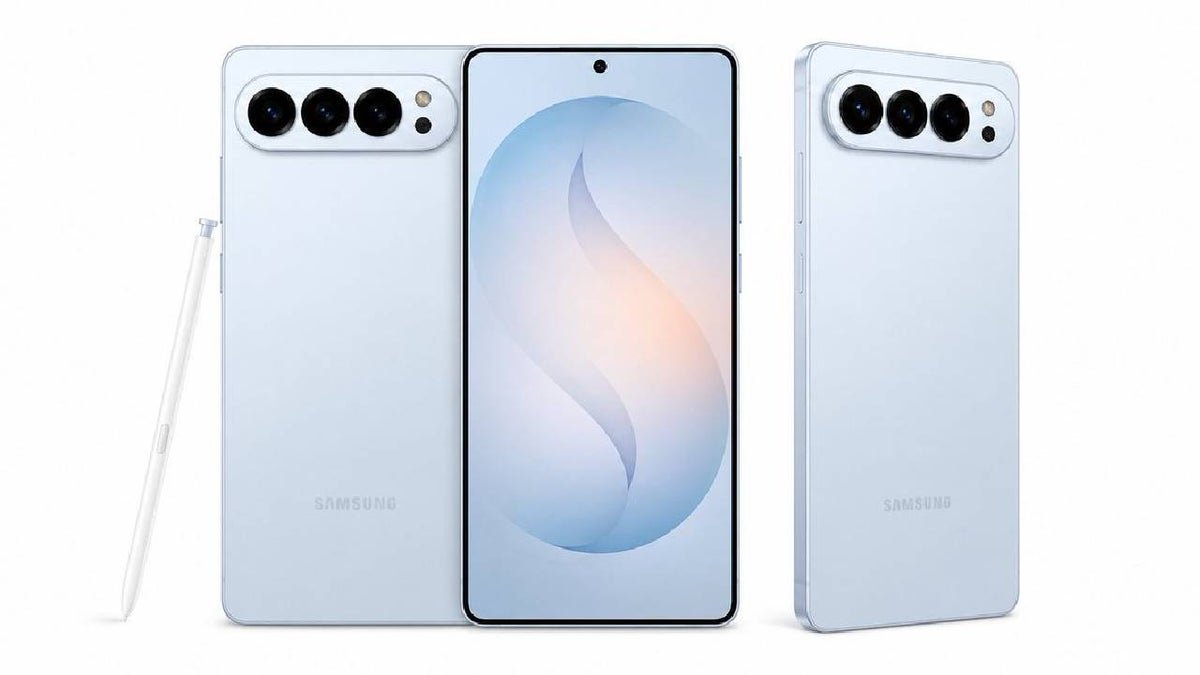
A highly pocketable 6.47-inch OLED panel, perfect for one-handed use.
Equipped with the exact same 200MP main sensor and ultrawide as the Ultra.
To save internal space and weight, it drops the built-in S-Pen digitizer.
For millions of users who want top-tier professional photography but are tired of carrying a massive brick in their pocket, the S27 Pro is going to be the most compelling Samsung device released in years.
Design Overhaul: Qi2 Magnetic Charging & Polar ID
Samsung is also addressing major usability complaints with a much-needed aesthetic overhaul. For years, the vertical camera stack has caused phones to wobble violently on desks and occasionally interfered with internal magnetic rings.
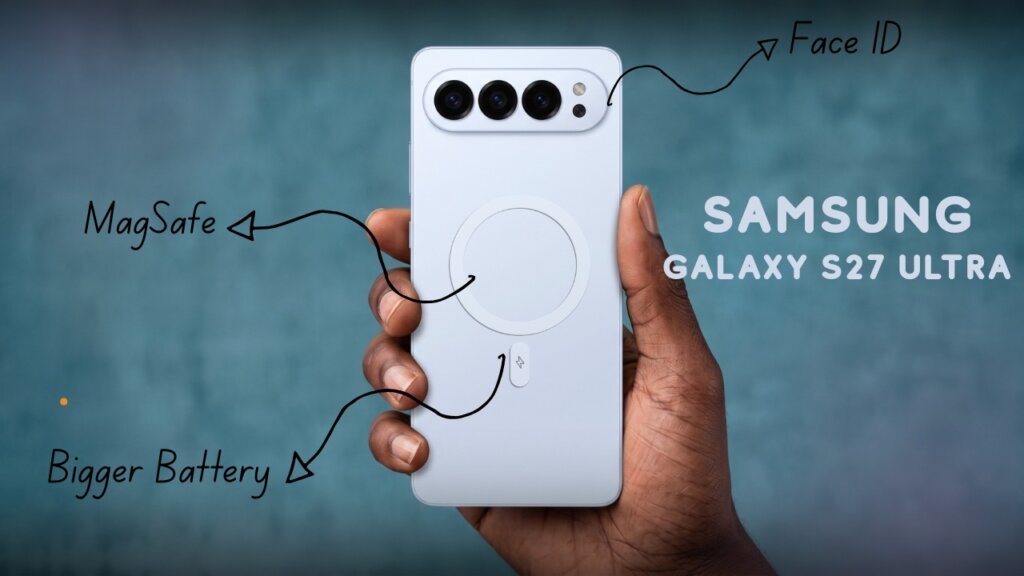
Rumors from industry insiders claim Samsung is testing a horizontal camera bar layout. Spreading the sensors horizontally not only eliminates desk wobble, but it finally creates the clearance for Qi2 magnetic wireless charging. This means native, built-in support for MagSafe-style wallets, car mounts, and snap-on chargers without interfering with the S-Pen’s sensitive digitizer screen.
Additionally, the front of the device is getting a security overhaul with a new feature dubbed ‘Polar ID’. This is essentially Samsung’s sophisticated answer to Face ID—a highly secure, 3D facial recognition system that works flawlessly in the dark without requiring a massive notch or pill-shaped screen cutout.
The 2nm Chip & Controversial Cost Cutting
The internal processing of the S27 series is making a generational leap, powered by the Snapdragon 8 Elite Gen 6 Pro. Built on an incredibly advanced 2-nanometer manufacturing process, this chip promises drastically better-sustained gaming performance, lightning-fast AI processing, and significantly lower heat generation.
However, 2-nanometer wafers are absurdly expensive. To balance the books, recent supply chain leaks point to cost-cutting measures on the base models. Samsung is reportedly sourcing OLED display panels from the Chinese manufacturer BOE for the entry-level Galaxy S27, reserving their premium, ultra-bright Samsung Display panels strictly for the S27 Pro and S27 Ultra models.
Flagship Warfare: S27 Ultra vs. S26 Ultra vs. iPhone 18 Pro Max
To truly understand how massive these upgrades are, we must look backward at its predecessor, the Galaxy S26 Ultra, and forward at its biggest expected rival, Apple’s upcoming iPhone 18 Pro Max.
While the S26 was largely an iterative update focused on refining “Galaxy AI,” the S27 is a complete architectural shift. On the Apple side, rumors indicate the iPhone 18 Pro Max will feature a 2nm A20 Pro chip, variable aperture cameras, and a more robust Apple Intelligence suite. However, in the realm of raw endurance, Samsung’s shift to a 6000mAh Si/C battery gives it a distinct advantage over Apple’s historically conservative battery bumps.
| Feature | Galaxy S26 Ultra (Previous) | iPhone 18 Pro Max (Est.) | Galaxy S27 Ultra (Rumor) |
|---|---|---|---|
| Processor | Snapdragon 8 Elite Gen 5 (3nm) | A20 Pro (2nm) | Snapdragon 8 Elite Gen 6 Pro (2nm) |
| Main Camera | 200MP ISOCELL HP2 | 48MP (Variable Aperture) | 200MP HP6 (LOFIC HDR) |
| Telephoto Strategy | 10MP (3x) + 50MP (5x) | 48MP (5x Prism) | 50MP (5x) + 200MP Main Crop |
| Battery Capacity | 5,000mAh | ~5,300mAh | ~6,000mAh (Silicon-Carbon) |
| Charging Tech | 60W Wired / 15W Qi | 40W Wired / MagSafe | 65W+ Wired / Native Qi2 Magnetic |
| Authentication | Ultrasonic Fingerprint | Face ID | Ultrasonic + Polar ID (3D Face) |
🏆 The Tech Mansion Verdict
The Galaxy S27 lineup is shaping up to be a total reset of Samsung’s flagship strategy. By controversially killing the redundant 3x camera, they unlock a battery breakthrough that power users have demanded for half a decade. By shifting the design, they bring Qi2 magnetic charging to the masses. And by introducing the S27 Pro, they are finally attacking the compact premium market with everything they have.
What do you think? If you are a die-hard Galaxy Ultra fan, would you actually downgrade your screen size to 6.47 inches and give up the S-Pen to buy the S27 Pro? Let us know in the comments below!