
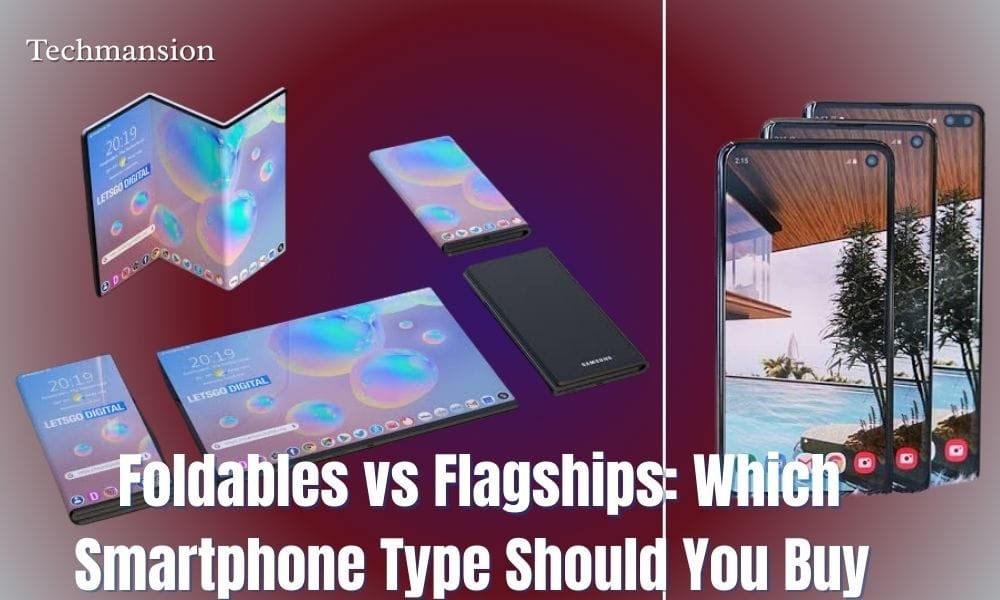
The foldables vs flagships question is no longer about whether folding phones work, because modern foldables survive hundreds of thousands of folds in testing. The real question is whether the bigger screen justifies the price and care they demand. Consequently, this guide compares ownership, not novelty. Furthermore, slab flagships remain the safer default for most buyers.
Key Takeaways
- Book foldables unfold into small tablets for reading and multitasking.
- Foldables cost far more and their inner screens need gentler care.
- Slab flagships offer stronger water resistance and cheaper repairs.
- Buy a foldable for the screen you will use daily, not the party trick.
What the Folding Screen Actually Buys You
This foldable ownership analysis notes current models survive lab testing at around 200,000 folds and run desktop-style multitasking. A book-style foldable genuinely helps with documents, split-screen work, e-books, and video. A flip-style model instead buys pocket space and hands-free camera angles. If those uses are weekly, not daily, the premium is harder to justify.
Durability and the Crease
Every foldable still shows a crease, and its soft inner display scratches more easily than slab glass. Hinges also admit dust more readily, which is why foldables carry weaker dust protection than the IP68 common on slab flagships. Manufacturers rate hinges for years of typical folding, but repairs remain expensive and specialised. Keep the factory inner protector fitted and never remove it yourself. Rough, dusty, or outdoor work still favours a slab.
Price, Battery, and Cameras
Flagship foldables typically cost roughly one and a half to three times a comparable slab flagship, depending on market and generation. Two screens and a hinge also pressure battery life and camera budgets. Slab flagships therefore usually offer better cameras and endurance per unit of money. Foldables have narrowed these gaps considerably in recent generations. They have not closed the value gap.
Verdict: Who Should Fold?
Choose a book foldable if you read, annotate, or multitask on your phone every day and can absorb repair costs. Choose a flip foldable for compactness and creative selfies. Choose a slab flagship for durability, cameras, battery, and value. The honest test is simple: picture your actual last week of phone use. If a tablet-sized screen would have improved most days, fold; otherwise, do not.
In short, foldables are mature but specialised. Buy the folding screen only when your daily work truly needs it.


Your blog is a true hidden gem on the internet. Your thoughtful analysis and engaging writing style set you apart from the crowd. Keep up the excellent work!
I’m glad you found it helpful. I’ll keep up with the excellent work 🤗