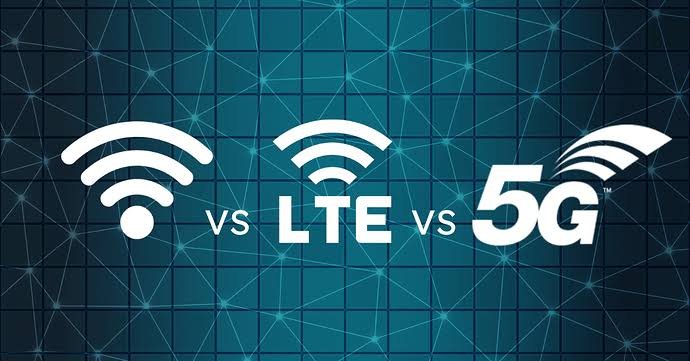
The 5G vs Wi-Fi 7 question contains a common misunderstanding, because these technologies do different jobs rather than competing. 5G is the wide-area cellular network your phone uses outdoors. Consequently, Wi-Fi 7 is the short-range network your router creates at home. Furthermore, smart devices need both, each in its proper place.
Key Takeaways
- 5G covers cities and travel; Wi-Fi 7 covers rooms and buildings.
- Wi-Fi 7 adds 320MHz channels and Multi-Link Operation for capacity.
- Most smart home devices connect by Wi-Fi, not directly by 5G.
- Upgrade your router for home congestion; 5G cannot fix indoor Wi-Fi.
Different Networks, Different Jobs
TP-Link’s guide to 5G versus Wi-Fi stresses that the two are built for completely different purposes and are designed to work together. Your phone uses 5G away from home, then switches to Wi-Fi when you return. Even 5G home internet still needs a Wi-Fi router to distribute the connection indoors. Neither technology replaces the other.
What Wi-Fi 7 Actually Improves at Home
Wi-Fi 7, formally IEEE 802.11be, doubles maximum channel width to 320MHz in the 6GHz band and adds Multi-Link Operation, letting devices use several bands at once. That capacity suits busy smart homes with cameras, TVs, speakers, and phones competing simultaneously. Latency also improves for gaming and calls. However, a Wi-Fi 7 router cannot make a slow broadband line faster; it only distributes what arrives more efficiently.
Where 5G Wins
5G wins everywhere Wi-Fi cannot reach: travel, outdoor cameras with cellular backup, vehicles, and homes using fixed-wireless internet where wired broadband is poor. Its speeds vary strongly by band and location, from modest low-band coverage to very fast mid-band and millimetre-wave service. For a single smart device far from any router, a cellular model can be the practical answer. For a house full of devices, running each on 5G data would be costly and unnecessary.
Verdict for Smart Homes
Build your smart home on Wi-Fi, ideally a modern router with strong coverage, and treat 5G as mobility and backup. Upgrade to Wi-Fi 7 when your router is old or your home is congested, not because 5G exists. Keep a mobile data fallback for your phone and, if needed, your router. The two networks are partners: Wi-Fi 7 indoors, 5G everywhere else.
In short, Wi-Fi 7 serves your rooms; 5G serves everywhere else. A good smart home uses both deliberately.