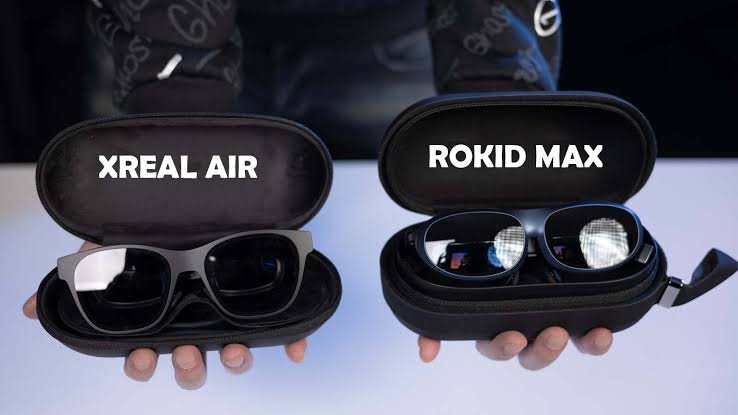
When I first strapped on the Xreal Air 2 and the Rokid Max AR glasses, I was amazed by how similar yet distinct they felt. Both are ultra-light micro‑OLED headsets (around 72–75 g) that turn your smartphone or other device into a private 100+ inch virtual screen. In practice, each has its strengths. To kick things off, here’s a quick spec rundown of Xreal Air 2 vs Rokid Max AR Glasses to see how they stack up:
- Display: Both use dual 1080×1920 micro‑OLED panels at 120 Hz, so text and motion are very smooth.
- Field of View: The Air 2 gives a 46° FOV, while the Rokid Max offers a slightly wider 50°. More FOV means a bigger perceived screen for you.
- Brightness: Rokid Max can hit about 600 nits (super bright) versus 500 nits on the Air 2. In my tests, the Max’s higher brightness really helped under daylight.
- Weight & Comfort: Both are very light – Air 2 is ~72 g and Rokid ~75 g – and have adjustable nosepads for comfort. (I barely felt either after hours of use.)
- Optics: The Rokid Max lets you dial in up to –6.00 diopters right in the headset, so if you wear glasses you can see clearly. The Air 2 has no built-in diopter (you’d wear contacts or clip-ons instead).
- Connectivity: Neither headset has its own battery – both run off your device via USB‑C. That means you plug into a phone, laptop, or a dongle (like Xreal’s Beam or Rokid’s Station) to power the display.
With the basics out of the way, let’s dive into how these differences play out for specific uses: gaming, productivity, media viewing, and travel.
Xreal Air 2 vs Rokid Max AR Glasses Gaming.
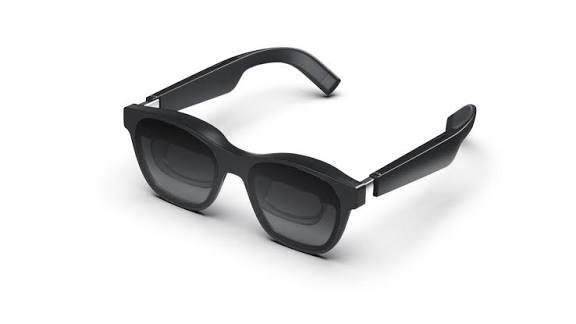
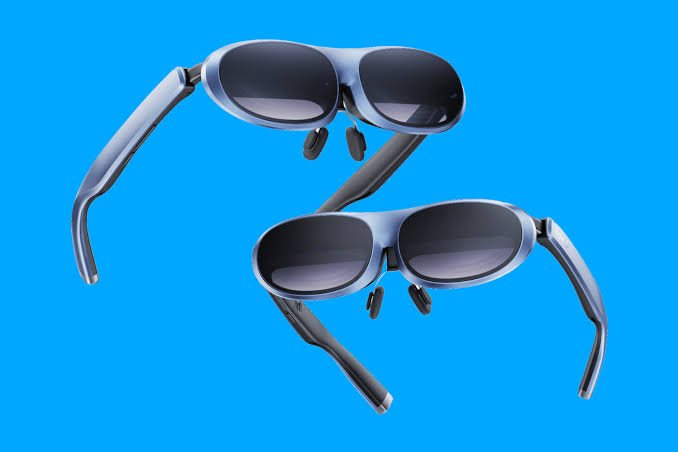
When you play a lot of games, then you will desire high refresh rate, a broad view, and simple installation. Both headsets are 120 tHz, 1080 t display, thus, movement is smooth- great in high-action titles. The slightly wider field of view of the Rokid max (50) compared to its competitors (46 in my tests) made it slightly more immersive in the open worlds.
The Max also has an HDMI adapter, and it will work with nearly any console just by itself (Switch, Steam ⁊PS5, Steam Xbox S). Rokid positions itself as home theater quality movies at home, on the go, and compatible with nearly any console, and it was indeed so: I connected a Nintendo Switch and a Steam Deck to it directly.
The Air 2 works equally well in a connection, although additional adapters usually apply. Xreal markets Beam wireless adapter (119) to make connection simpler: fit Beam to your console or phone then attach the Air2 wirelessly.
I tested the Air 2 with an Xbox using the Beam and it was successful, although the installation required one additional cable and a powered hub, which is more complicated than the plug-and-play system used by Rokid. On the one hand, the Air 2 is natively compatible with modern phones: it is able to communicate directly with an iPhone 15 using USB-C without an adapter. In comparison, the Rokid Max must have a (free) Rokid wireless adapter to be connected to an iPhone.
Conclusively, the Rokid Max is more flexible and brighter: it provides a wider perspective, adjusting by hand the brightness (600 nits), and inbuilt console support. The Air 2 remains a good gamer – pale on your face with the same sharp 120 Hz panel – you just have to add the Beam accessory or console cables. Between Xreal Air 2 vs Rokid Max AR Glasses, either way, once connected, both goggles let you play as if your game were on a giant portable screen.
Read More: Consumer Drone vs Professional Drone — Who Actually Needs the Expensive One?
Xreal Air 2 vs Rokid Max AR Glasses in Productivity.

The virtual workspace provided by the glasses is important when you change productivity, which can be coding, spreadsheets, performing multiple tasks at the same time.
The bigger 50-degree FOV of the Rokid Max allows me to view a larger part of a spreadsheet or multiple windows at the same time. Its in-built diopter can be a huge relief when you have a pair of spectacles on: I just had to change the lens knob and the text came into focus. The Air․1 does not have diopter, thus I wore contact lenses (they are the only option that is not very bulky). After that was sorted out, I fired up the Xreal Nebula application on Windows or macOS and had a huge virtual desk-top, a 100-inch monitor.
Both sets are connected to both PCs and laptops via USB-C, thus the workflow is alike. Both lack inbuilt storage as well as applications, they are extensions of computer or phone. The dual exterior speakers of Air 2 were also handy in providing any type of a notification whereas over-ear speakers of Rokid are less loud enough, and people do not notice them much.
I also enjoyed Rokid having eye comfort modes that were certified by TUV and Xreal having blue-light remedies that made the work session in a marathon easier on the eye.
Generally, regarding productivity the Rokid Max can be a tad more comfortable when you need to wear glasses or when you need brightness to its fullest potential due to its eye adjustments and eye-care certifications. Air 2 is lighter and it has very clear text owing to the high pixel density. They both are suitable to on-the-go work; it is up to personal needs and a choice of the ecosystem on which you would rather work than on the other one.
Read Also: Voice Cloning vs FaceID: Can AI Really Unlock Your iPhone?
Xreal Air 2 vs Rokid Max AR Glasses Media Consumption.
To watch movies and video, rich colors, stream playback and quality sound are worth having. The two headsets are both providing 1080p/120Hz display giving Netflix and YouTube a clean viewing experience. During my experiments in my living-room, the Rokid Max performed remarkably during the day because it carries 600 nit brightness, which made the scenes to become rather punchy. The 500 nits of the Air 2 were slightly darker, which was more appropriate in darker rooms. The virtual display of the Max is also a little bigger due to the 50° FOV, which contributes to increased immersion.
Sound is different: on the Xreal Air, directional open-ear headphones move sound out; my roommate could hear my video faintly. The Rokid Max puts its speakers in its frame, which provides a more intimate experience (a quiet but pleasurable listening experience, as Rokid would put it). Neither have issues with dialogue or music, however, remember this distinction so that you may require a room with less noise or want to watch with headphones.
One more practical point for media: For Xreal Air 2 vs Rokid Max AR Glasses, both headsets come with light-blocking covers in the box. Rokid Max includes a physical “light blocking cover” and Xreal provides a foldable “light shield”. I I would utilize them on sunny days and they significantly diminished glare, which made the view look like a movie screen–sort of all-day train or airplane.
All in all, either Xreal Air 2 or Rokid Max will provide you with large smooth images and adequate sound on videos. Rokid is more lighted and provides a little more personalized sound, whereas Xreal is highly sharp and light.
Read Also: 8K 360 Drones vs Regular Drones: Key Differences Every Tech Enthusiast Should Know”
Xreal Air 2 vs Rokid Max AR Glasses on Travel.
I carry ultra-light gears with me and these AR glasses are ideal since they weigh at about 72-75g when carrying them. They fit into pocket size and the carrying cases that are included in the box (both come with a carrying case) allow me to port them in a bag. I can sit on a plane and binge shows or play a game on a screen that seems bigger than 100 inches- which is an attractive feature. Both the sets though do not incorporate a built-in battery. They will require the use of a phone, laptop, or an official adapter. The beam of Xreal is battery-operated; the Station by Rokid is a plug-in box.
Comfort is good for travel – both have adjustable nosepads and balanced weight, so on my flights I didn’t get sore or nauseous. I did notice edge blur at times (small soft spots around the edges of the view – a common trait in these designs), but it didn’t ruin the experience.
One thing to watch: Apple users. The Air 2 (2nd gen) plugs directly into an iPhone 15/15 Pro via USB-C. Rokid Max needs you to use their free wireless adapter for iPhone or just connect Android phones via USB-C. Otherwise, setup is similar: connect to your device, don your shades, and enjoy a giant virtual screen wherever you go.
In the end, Xreal Air 2 vs Rokid Max each make a great travel companion. The Max’s brighter image might be easier to see through cabin lighting, but the Air 2 wins on ultra-lightpackability and simplicity with Apple’s newest phones. Both deliver that private-cinema feel on the move.
Conclusion
After spending ample time with each headset, I feel they both deliver on the promise of portable AR cinema and gaming. Choosing between the Xreal Air 2 vs Rokid Max comes down to your priorities. If you value the absolute brightest picture, a slightly larger view, and easy vision correction, Rokid Max is hard to beat.
If you prefer the lightest device with modern phone support and comfy open-air audio, the Xreal Air 2 is an excellent pick. Either way, you’ll walk away with a futuristic gadget that turns any room (or airplane cabin) into your own personal screen. I hope these insights help you decide which AR glasses fit your gaming, work, and travel needs. Enjoy the view!