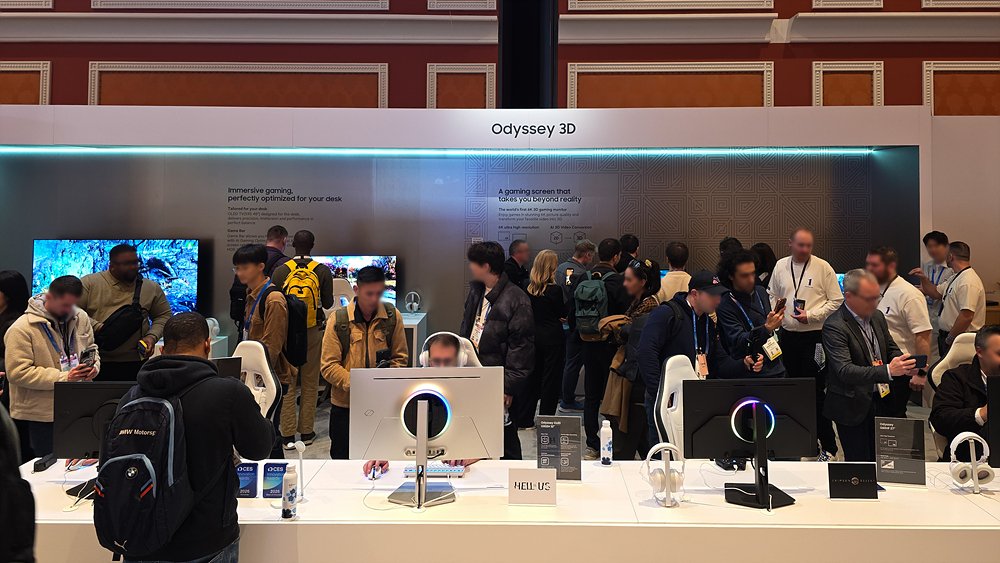
Walking through the halls of CES 2026, one thing became unmistakably clear to me: the year ahead isn’t just about faster processors or bigger screens. The biggest changes are unfolding in how devices are designed — how they feel in your hand, how they interact with you, and how they fit into your daily life. In fact, you might say that 2026 Device Design is about crafting experiences, not just hardware.
After seeing hundreds of products — from phones and laptops to home tech and wearables — I began to notice patterns. Not every flashy prototype will make it to store shelves, but the trends emerging now are strong signals of where your next tech purchase will evolve. And more importantly, they show how design is becoming smarter, more human, and more thoughtful about your real needs.
Let’s dive into what CES 2026 hinted about 2026 Device Design and why it matters to you.
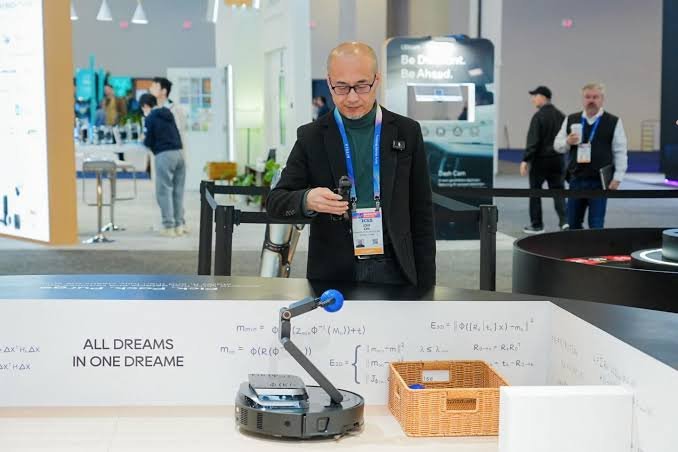
Design
Personalization was one of the initial themes that I felt. This is not just a matter of color choices or replaceable covers but something more profound. Business is looking at how the devices can adjust to you instead of the other way around.
At CES there were a number of laptops and phones that demonstrated adaptive interfaces that alter depending on usage habits. As an example, when you are spending a lot of time on creative apps, the UI changes the layout in a slightly different way, which allows the tools and shortcuts to be more accessible. When you change to reading or watching video, the distractions are eliminated and brightness is adjusted to comfort. I observed this in various brands and categories and this is one of the best indications of 2026 Device Design: tech that learns you.
It is important, as when your device can understand what is going on with you, you spend less time in settings adjustment and more time in the activities that you are interested in.
Form and Function Growing up Together.
At one point, it was considered that good design was either smooth or strong. In CES 2026, 2026 Device Design was a reconciliation of the two.
Take laptops, for example. Thinner frames with improved cooling systems were visible inside and thus you enjoy long performance without giant heat vents. I tested one which remained cool even when loaded heavily with work, however, it did not appear industrial. It is no coincidence: the industry appears to be heading towards the designs that are sensitive to both aesthetics and functionality.
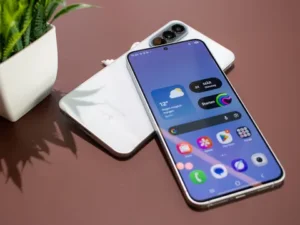
The same thing happened to phones. Makers are making things feel better in your hand all day, so instead of putting specs on top of each other, they are getting proportions, weights, and surface textures refined. That may sound insignificant but once you have a phone in your hands that feels right instead of looking right you will see the difference.
It is an element of 2026 Device Design: to create devices that are more lovely to use without effort.
Sustainability is no Longer a Choice.
Among the largest change factors that I felt was the seriousness that the companies accorded sustainability not as a marketing tool, but as a design consideration. CES 2026 was also awash with products made of recycled materials, parts that can be assembled easily, and those that can be repaired easily. There are even brands featuring parts that are removable individually, which significantly increases life, and wastes are minimized.
This is not only ethical but more practical: the device that is constructed to be repaired or upgraded is cheaper in the long run. When repair is included in the design process, as a consideration, rather than an afterthought, you do not have the frustrating model of planned obsolescence. And frankly, in an era where we change phones every couple of years, it is refreshing to see a design that puts into consideration how long the device can last.
That is another bit of what 2026 Device Design is becoming, and it is becoming sustainability, not a component that is attached.
AI Is Not a Feature Sticker, It Is a Design Component.
AI was everywhere at CES — but not as a buzzword slapped on a box. Rather, AI was also integrated with design.
To illustrate, certain laptops have on-board AI, which helps to maximize battery life in accordance with your habits. Other people have a system that automatically changes the color temperature of screens hours after reading. Several wearables are able to identify emotional signals and provide breathing or relaxation. These are not gimmicks, but considerate additions that demonstrate how AI is entering the design thinking.
Over the previous years, phone manufacturers would boast on the spec sheets of having AI camera modes or AI enhancements. In 2026, designers are capturing the importance of AI enhancing your experience instead of it being present. That is a minor yet significant change in 2026 Device Design: AI will be in place, but its presence must be invisible when not assisting you.
Device Ecosystems That Work Together (Not Just Look Similar)
Fragmentation remains one of the largest criticisms that still surround tech: you purchase a watch with one brand and a phone with another, and these two devices barely connect with each other.
I experienced progress in the direction of actual cross-device harmony at CES 2026. Not only brand ecosystems (such as Brand X devices work together), but also synergy of functions – devices exchange context and work together on tasks.
As an example, a few laptops and phones were displayed to illustrate synchronized workflow: write a document on your phone, pick it up on your tablet, adjust it on your laptop, and have all the work saved and in sync. Watch Smart devices such as earbuds and watches automatically changed their settings depending on the device you are using.
This type of integration is not merely convenient, but it is life changing when you consider that you have to use several devices every day. A large hint to the way 2026 Device Design is changing: not as an independent object, but as a component of a loose, coordinated system.
Comfort and Health Are Primary, Not Secondary.
The other unexpected trend at CES was the manner in which designers are taking your physical well-being seriously.
Ergonomics ceases to be limited to key-boards and chairs. We had displays that can ease eye strain by following your eye-line and changing the light, computers that can change modes to make sitting more comfortable, and gadgets that check your posture and remind you to move. Other devices can even provide posture training and workload monitoring in the course of a workday.
This change demonstrates that design of devices is not about your spec sheets and benchmarks, but rather all about your experience. The emphasis on comfort, long-term health, and actual practicability is an excellent hint to what 2026 Device Design will be involving mainstream products.
User Interface Wins Over Feature Lists.
This is perhaps the biggest lesson of CES 2026: designers are no longer engaged in feature wars. Rather than boasting of the latest sensor or the chipset with the highest speed, most companies presented experience-driven design, as something that makes your life easier, not bigger.
That is, less gimmicks and more significant refinements: longer battery life that does not compel speed-hungry features, touch-easy tempered glass instead of oily finishes, and interfaces that work with you instead of making you accommodate them.
This can be observed in the manner in which manufacturers discuss their products. It is more about stories, such as, how this will keep you productive or how this will make your daily life easier. And that is what 2026 Device Design is all about: technology that aids you and not distracts you.
What You Should Do When Choosing Your Next Device
All of this leads to one key conclusion: when you’re shopping in 2026, don’t chase specs. Look for:
- Adaptive features – Does the device respond to how you use it?
- Long-term comfort – Is the device designed for hours of real work or just specs on paper?
- Ecosystem harmony – Will your gadgets talk to each other in meaningful ways?
- Sustainability – Is the design repairable and long-lasting?
- Invisible AI – Does AI help quietly in the background without constant prompts?
If you think this way, your next purchase will be more future-proof.
Final Thoughts: Why This All Matters to You
The best part about how 2026 Device Design is shaping up is that you don’t have to be a tech expert to benefit. You don’t need to decode processors or megapixels — you just need to pay attention to how a device feels in your daily routines.
CES 2026 didn’t show us perfection — no single product impressed me on every front — but it did reveal a clear direction. Designers are finally listening to the real struggles people face every day: phone grips that slip, battery anxiety, fractured workflows, eye strain, and frustrating smart features that never felt smart in real use.
If you keep an eye on comfort, longevity, adaptability, and real synergy between your devices, you’ll be ahead of the curve. That’s what 2026 Device Design is all about: thoughtful technology that fits you, not the other way around.