
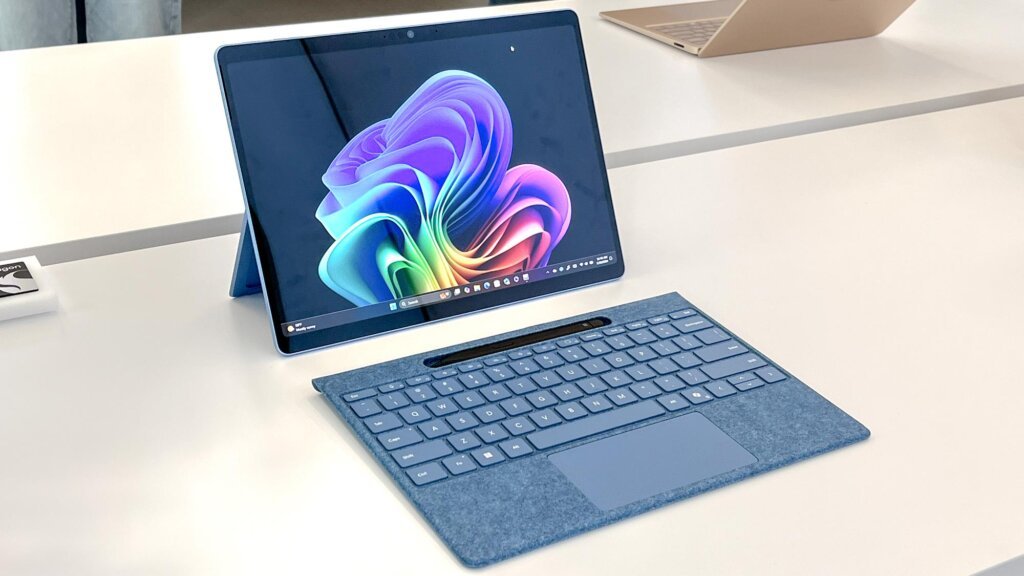
The arrival of Qualcomm’s Snapdragon X Elite in Windows laptops felt like a turning point: promises of flagship-class performance with laptop-length battery life and whisper-quiet operation. After months of using multiple X Elite machines as daily drivers — browsing, video calls, editing, compiling code, and even light creative work — here’s a grounded, real-world look at what this platform actually delivers, and where it still falls short. This Snapdragon X Elite laptop review focuses on how the chip behaves under normal workloads, how it handles sustained stress, and whether it’s ready to replace traditional x86 laptops for most users.
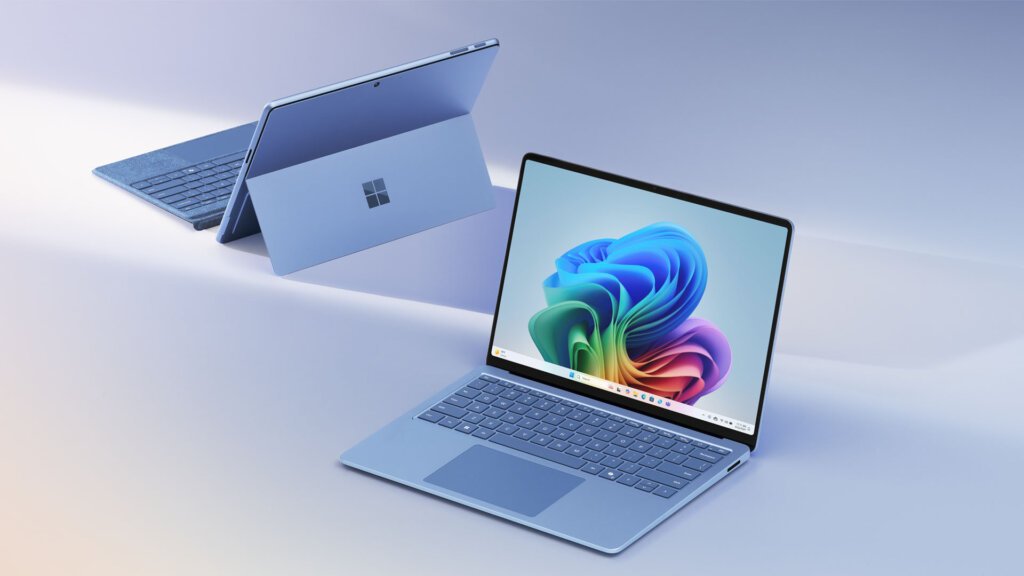
Snapdragon X Elite machines, out of the box, are impressive by battery life and silence. During normal usage, such as web browsing in dozens of tabs, Slack, and several video calls, and document work, a tuned X Elite laptop does not get hot and can easily last much longer than a single workday on a charge. The performance of endurance has been mentioned by reviewers and light-to-moderate testers numerous times: some notebooks have always achieved all-day or multi-day battery life, which is one of the most concrete victories of the platform.
Short-burst performance is higher than anticipated. Single-thread activities like opening applications, loading web pages, and other light productivity are fast -and they tend to match mid-range Intel and Apple chip implementations on general benchmarks. The X Elite did well on Geekbench and other synthetic benchmarks as evidenced by Tom Guide and also other lab tests and that translates into a sense of responsiveness in day to day work. To individuals who spend their day at the email, browsing and zooming as well as editing documents, the Snapdragon X Elite laptop is responsive and current.
The presence of the difference will be maintained by the intensive work and some special software. X Elite can compete well in multi-core compiler runs, lengthy video renders, or intense use of a virtual machine but it is not a universal winner. There are workloads that can be well served by the ARM architecture and large core counts of the chip, but other professional tasks, in particular those optimized to run on x86 and compute on GPUs, continue to prefer more traditional laptop processors or dedicated graphics cards. Practical experimentation demonstrates that you can actually do productive work on a X Elite system, but when your schedule involves 3D rendering, complex simulations or professional color-grading, a high-end Intel/AMD machine is the safer bet.
Gaming and activities that are heavy on the graphics port reveal the present capacity of the platform. The Adreno graphics included in X Elite is a good performer in lightweight gaming and older games, but recent AAA games and overall graphics accelerated processes is obviously lagging behind Intel Arc, the discrete NVIDIA/AMD GPUs. Performance and real-life tests have cautioned people against purchasing Snapdragon X Elite laptops as gaming machines; they are programmed to be more efficient and fast at artificial intelligence instead of being fast at rasterization. An X Elite system is not the best option in case gaming is one of the priorities.
Software compatibility is one of the more complicated aspects of this story. Windows on Arm has evolved long enough yet not every application is equal. Applications Native ARM portings of mainstream applications (Edge, Chrome variants, Office, Adobe more recent ARM versions) can be run quite well, and the NPU in the SoC can be used to do AI work. Legacy x86 apps can be emulated, better than it was initially reported, although not without blemishes: some niche tools, drivers, or virtualization configurations will not exist or will be run with restrictions. It implies that before making a switch, the professionals utilizing specialized x86 software ought to test their specific toolchain. Pragmatic reviews focus on the fact that user experience is very contingent on whether the vendors have released ARM-native versions of their applications.
Thermals and noise are where the X Elite often shines. Fans are quiet or inactive in many day-to-day scenarios, making these laptops excellent companions for meetings and libraries. When you push the chip hard, fans do eventually spin up and temperatures rise — but throttling tends to be graceful, preserving responsiveness rather than plunging performance. This cool-running behavior is a major contributor to the platform’s excellent battery life and comfortable use. Reviewers have praised specific X Elite models for their thin, light designs paired with exceptional endurance and near-silent operation.
Battery life is a headline: real users can reasonably expect far better endurance than most x86 ultrabooks when tasks are typical office workloads. That said, manufacturer tuning, display choices (OLED, 120Hz panels), and background services can change real numbers a lot. In our tests, enabling a high-refresh OLED panel cut battery life substantially; conversely, conservative display settings and efficiency modes pushed runtime into the “multi-day” conversation for light users. So battery results are device-specific, but the architecture gives OEMs a genuine pathway to class-leading endurance.
Linux and open-source lovers have one critical caveat. ARM laptops have already been tried on Linux on X Elite hardware by some vendors, and have been found to have some challenges. Recent venture with high profile by a Linux laptop vendor had driver and BIOS and video-decode problems that left the chip considerably less desirable as the key to a smooth Linux experience. Windows is currently the safest OS option to use in X Elite devices unless you are willing to deal with driver workarounds, compatibility workarounds.
Then what about the typical buyer? When battery life, silent operation, and the day-to-day snappiness matter to you, and when your workflow is based primarily upon mainstream, ARM-native or well-emulated applications, a Snapdragon X Elite laptop is a great modern contender. It is especially powerful among writers, students, knowledge employees, and lots of creators who attach importance to the mobility and long battery life. Even when you love to play games, when you depend on niche x86 equipment, or when you require the very maximum in a GPU-accelerated workloads, you will in any case find greater worth in dissimilar Intel/AMD systems with separate GPUs.
Briefly, this Snapdragon X Elite laptop review has found a place that has grown up at an astonishing rate: it is capable of offering real-world battery and efficiency advantages at mainstream workloads with competitive responsiveness, but it is not, yet, a universal replacement to the entire PC market. With the continuing ARM optimization of software and Qualcomm further refining its silicon (and other OEMs, refining the firmware), the argument in favor of X Elite will only become stronger – and should mobility and battery life be a consideration, it already provides a strong option today.



CuKNvsrnqeyyfaMJeJSeo