Let me ask you something honestly. Have you ever bought a new phone because of the camera hype — “108MP,” “AI camera,” “cinematic mode” — only to look at your photos later and think, Why don’t these look as good as I expected?
You’re not imagining things. Phone cameras are getting better every year. Yet somehow, many of our photos feel flat, overprocessed, or just… disappointing. I’ve felt that frustration too, and once you understand why it happens, you’ll realize the problem isn’t your phone — and it’s definitely not you.
This is about learning how to enhance your photos in a world where technology keeps advancing faster than our habits.
Phone Cameras Are Smarter Than Ever — So What’s the Catch?
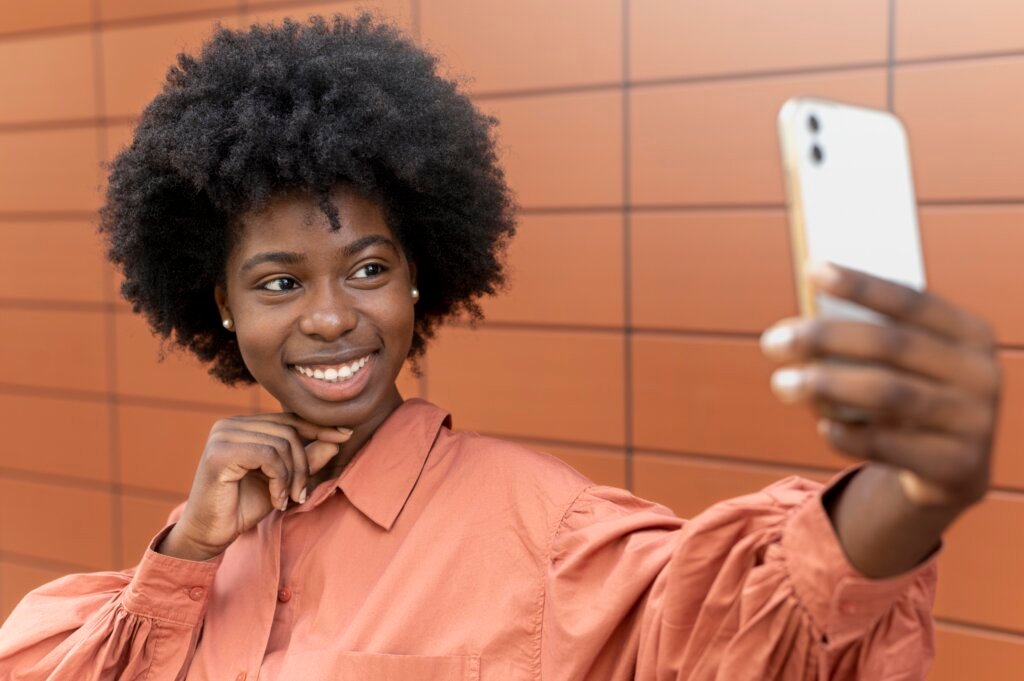
The smartphones of today are magic-making machines. Multi-lenses, large sensors, AI scene recognition, computational photography – all in your pocket.
But the embarrassing fact is as follows:
manufacturers of phones have paid more attention to technical strength than to user intuition.
Your camera can now:
- Combine several pictures into a single photo.
- Before you press the shutter, adjust the lighting.
- Auto-smooth skin, auto-enhance colors, and accentuate detail.
The problem? These are not decisions that are made by you, but made on your behalf. Your phone can be a little too considerate about what you want to capture, so the end product may appear unnatural: skies that are blown out, faces that are waxy, or unrealistic colors.
And even though the camera is better, the photo does not necessarily feel better.
Read Also: Mastering Smartphone Photography: Tips and Tricks
We snap more pictures, yet we think less of them.
In the olden days, it was conscious to take a photo. Now? We are shooting blindly – when walking, eating, scrolling, or rushing.
I have observed this in my habits. I shoot first and pray the camera corrects the situation later. And such an attitude silently murders good photography.
By fully relying on AI, you forget to notice:
- Lighting direction
- Background distractions
- Angles and perspective
This is among the largest motivation why individuals find it difficult to enhance your photos. The camera is potent but it cannot substitute awareness. Even a good picture begins before you press the button.
Too Much AI Can Kill the Moment.
STOP RELYING ON AI, Yes, I’m talking to you. The idea of AI photography is fantastic, yet, in reality, it turns out that people are making excessive use of it.
Have you noticed:
- Skin appears unnaturally smooth.
- Shadows disappear
- Faces look slightly “plastic”
That is image processing aggressively. Phones are made in a manner that makes an impression the first thing you see on social media platforms yet they lack authenticity in some instances.
The irony is bitter: the more the cameras get better, the less human the photos may feel.
In order to actually enhance your photos, you must occasionally step back and turn off the beauty filters, lower the HDR, and leave the natural light to do its thing.
Read More:How to Remove Location from Photos on iPhone: Share Photos Without GPS Data
Social Media altered the perception of good photos.
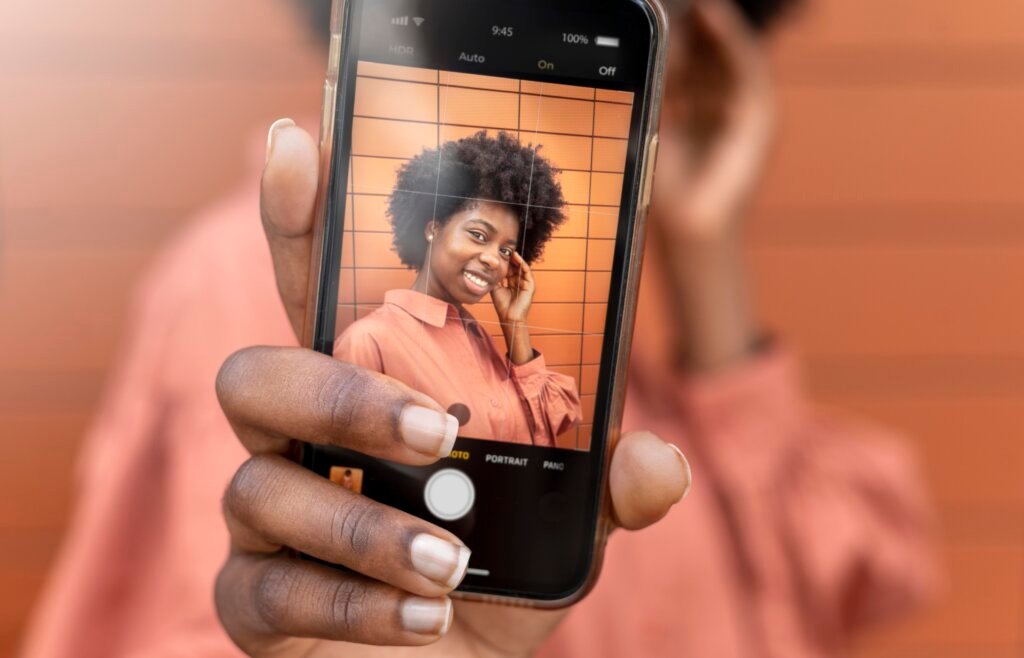
And now, we can discuss pressure – it is everywhere.
You and I are constantly bombarded with perfectly edited photos on the internet especially on Instagram and Tiktok. Professional lighting, editing apps, and even DSLRs are employed by influencers, creators, and brands but we contrast it to our phone snapshots.
Such a comparison is confusing to anticipate.
When your picture does not look like it would on Instagram, you assume:
- Your phone isn’t good enough
- You are not familiar with how to take photos.
Well, neither is true.
Most viral photos are edited. Learning to enhance your photos is not about the contest, it is all about learning to realize that photography does not stop once you inhale the shutter button.
Editing is Not Cheating – It is the Process.
It is at this point that most individuals fail.
Being an editor does not imply becoming someone you are not. It is a correction of what the camera was unable to read correctly.
Nothing on a phone camera has a higher dynamic range than your eyes. Editing assists in closing that divide.
Even minor manipulations can make an image change entirely:
- Slight exposure correction
- Gentle contrast
- Color temperature tweaks
- Sharpening details subtly
You do not have to use sophisticated software. Even the in-built gallery editors are strong enough provided you know how to go about it.
If you want to enhance your photos, editing is not optional — it’s essential.
Lighting Matters More Than Camera Specs
Here’s a secret phone companies don’t advertise enough:
a mid-range phone with good lighting will beat a flagship phone in poor lighting.
Bad lighting creates:
- Noise
- Blur
- Dull colors
- low quality photos
Good lighting instantly:
- Sharpens details
- Improves skin tones
- Adds depth
Before blaming your phone, ask yourself:
- Where is the light coming from?
- Is it soft or harsh?
- Is it behind or in front of me?
Once you start thinking this way, you’ll notice your photos improving — even without upgrading your device.
You’re Using a Powerful Tool — Not a Magic Wand
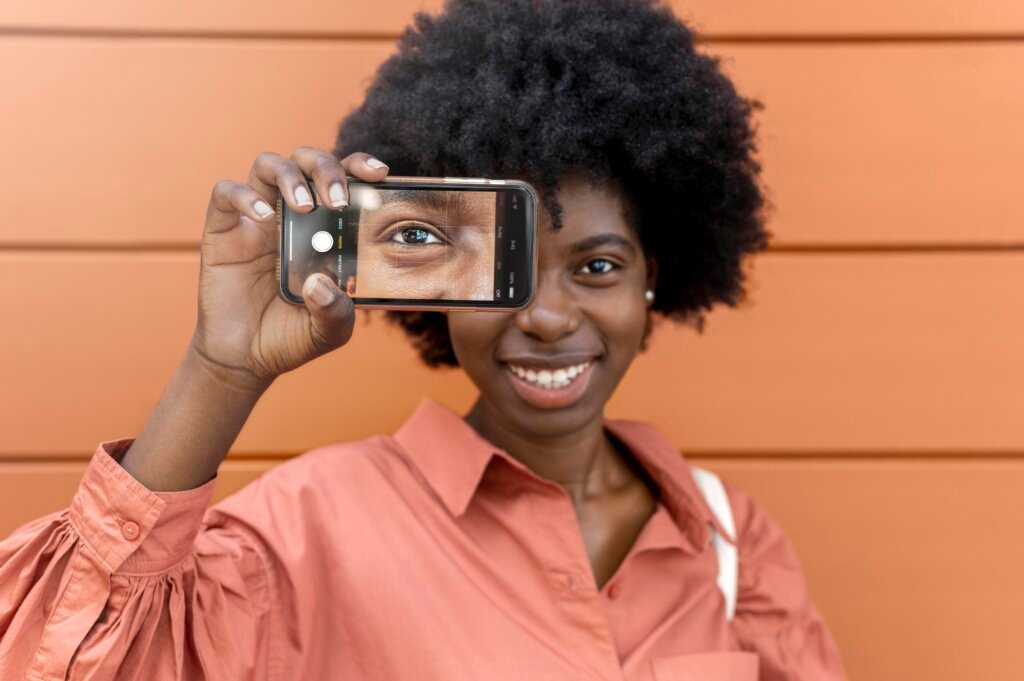
Expectation is one of the reasons why photos do not improve with cameras. we expect the phone to do everything.
But a phone camera is an instrument, not a mind reader.
Photography demands purpose as much as writing:
- Take your time before shooting
- Adjust your angle
- Clean your lens (this is important than you remember)
These simple tips have a huge impact and can assist you in improving your photos without any costly equipment with ease.
How To Start Taking Better Photos Right Now.
We should bring this home with steps that are practical.
If you want better photos:
- Take pictures in the day time whenever you can.
- Turn off superfluous beauty filters.
- Then wait a moment and put your subject in perspective.
- Lightly edit, not violently.
- Stop making comparisons between unedited pictures and the material that is featured online.
Most importantly, slow down. Even the most perfect shots will be taken when you are not in a hurry.
Overall Conclusion
Phone cameras will continue to be enhanced. That’s inevitable. It won’t automatically get better although the quality of photos will not be better until we start to use them better.
It is after having learned the limits of AI, the significance of light, and the worth of editing that you get a different perspective of everything. You begin to feel not disappointed and start feeling like you are in charge.
You do not have to use the latest phone to improve your photos. You must have will power, perseverance, and a bit of curiosity.