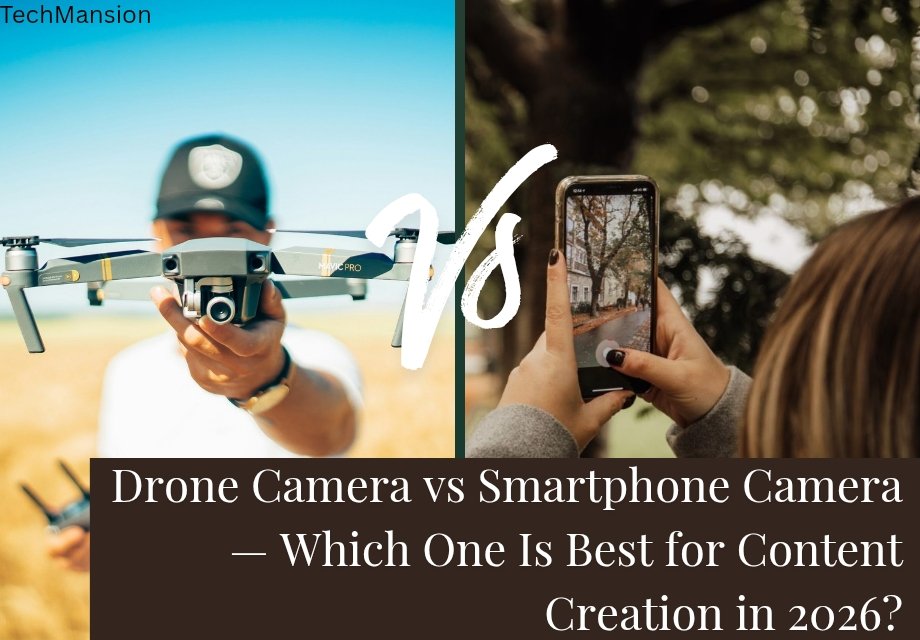
Content creation has changed dramatically in the past decade. Today, anyone with a smartphone can become a photographer, filmmaker, or social media creator. At the same time, drones have introduced a completely new way of capturing visuals from the sky. This has sparked an important debate among creators: Drone Camera vs Smartphone Camera — which one is best for content creation today?
Smartphones dominate everyday photography because they are portable and easy to use. Meanwhile, drones deliver cinematic aerial footage that was once only possible using helicopters or expensive film equipment.
In this article, we explore Drone Camera vs Smartphone Camera in detail to understand which tool truly dominates modern content creation.
The Reason Smartphones Became the Creation Tool of the Creator.
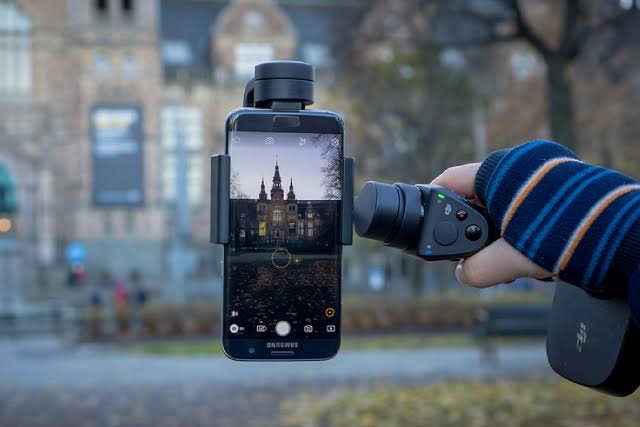
The smartphones became the primary tool of the content creators since it is affordable, powerful, and is always available. Almost everyone has a smart phone in their hands nowadays and this means that creators do not need to carry additional devices to take a photo or a video.
Further camera lenses, sophisticated image sensors, and computer photography based on artificial intelligence are also available on modern smartphones. These characteristics enable smartphones to produce breathtaking pictures, even when there is a problem with lighting.
Instant sharing is another factor that makes smartphones control content creation. Filmmakers are able to film a video, edit it and post it on Instagram, Tik Tok or YouTube within a few minutes.
Vlogging and social media storytelling are also best done using smartphones since they almost need no setup time. It is as simple as opening the camera application and recording.
Due to their convenience, portability and intelligent editing capabilities, smartphones have become the default camera of the contemporary content creators particularly those whose content is more focused on fast-moving social media content.
The Drone Camera Revolution
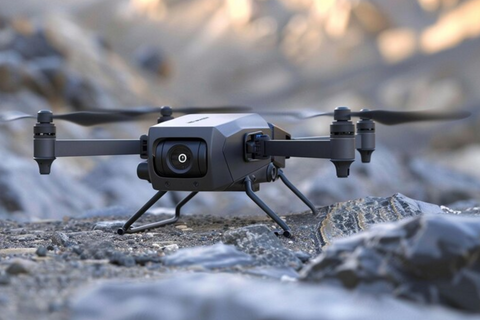
Although smartphones transformed daily photography, drones transformed visual storytelling by introducing a whole new dimension – the sky.
Drones enable designers to shoot high-angle shots that would have been inaccessible to helicopters or costly camera systems. These aerial cameras give a spectacular perspective of the landscape, cities, beaches, and events in the sky.
Newer drones have impressive camera specs such as 4K or better resolution video recording, and stabilization cameras such as three-axis gimbals, which allow the camera to maintain a smooth shot during flight.
Drones have become a necessity to travel vloggers, filmmakers, and real estate creators. Even the simplest aerial shot will immediately turn a video into a movie.
The drone industry has also expanded at a very high pace with the devices being smaller, smarter, and easy to fly. Most consumer drones today have automated flight modes, obstacle detection and smart tracking systems, which assist creators to create complicated shots with ease.
Due to these possibilities, drones are currently regarded as one of the most potent instruments of contemporary content production.
Read Also: DJI Avata vs BetaFPV Cetus X (2026 Guide): Which FPV Drone Should You Buy?
Drones vs Smartphone: The most important differences.
Comparing Drone Camera vs Smartphone Camera, it is essential to recognize that the purpose of each device is different. Now, we will discuss the most important distinctions that are important to creators.
Perspective and Creativity
Perspective is the greatest distinction between Drone Camera vs Smartphone Camera.
Smartphones record images on the ground level since they are held in hands. They cannot increase height drastically even with wide-angle lenses.
However, drones are able to fly hundreds of feet in the air providing a bird-eye perspective of sites and towns. This overhead shot shows designs and spatial relations that are not visible on the ground.
For example:
- Aerial coastline shots are advantageous to travel videos.
- Listings of real estate appear more beautiful with overhead shots.
- Establishing shots in cinematic films are commonly achieved with the help of drone shots.
- Drones are obviously more aesthetically free.
Image Quality and Sensors
Image quality is also another important element in the Aerial content creation.
Premium smartphones have sophisticated computational photography to enhance the photos by software processing. Such capabilities as HDR, artificial intelligence image processing, and night mode assist smartphones to create stunning images despite using smaller sensors.
Drones are more oriented towards optical performance. There are numerous drones with bigger sensors, adjustable apertures, and RAW images that can be edited by professional means.
This means:
- Smart phones are dependent on software processing.
- Drones allow more natural and free shots to be filmed.
Drones tend to be more flexible with creators who wish to have the ability to be able to grade their colors professionally and have the ability to record higher-quality footage.
Ease of Use
In the case of Drone Camera vs Smartphone Camera, there is an evident victory in smartphones in the matter of ease of use.
A mobile phone needs no training. Any person can remove it out of his pocket and begin recording immediately.
Whereas in Aerial content creation it needs a greater preparation. Creators must:
- charge batteries
- calibrate sensors
- check GPS signals
- control flight movement
To a beginner, it may take time to fly a drone.
Due to this reason, smartphones continue to be the simplest camera device used in the daily production of content.
Mobile and Convenience.
Portability is the other significant distinction between Drone Camera vs Smartphone Camera.
Smartphones are pocket sized and are available at all times.
Drone also need extra equipment including:
- controller
- spare batteries
- carrying case
Smartphones are more convenient to creators who travel light.
Nonetheless, small drones have become much better. Most of the contemporary drones can be folded to small sizes, and hence they are transportable.
Read Also: Consumer Drone vs Professional Drone — Who Actually Needs the Expensive One?
Legal Restrictions
Regulation is one of the factors that are not paid much attention in the Drone Camera vs Smartphone Camera comparison.
Smartphones can be utilized anywhere.
In most countries, drones are highly regulated. Some areas require:
- Drone registration
- Flight permits
- Restricted no fly zones around airports or masses.
These regulations have the potential to restrict the areas in which drones can be utilized to film.
Cost
Cost is also a major issue in the debate between Drone Cameras and Smartphone Cameras.
The majority of the creators already have smartphones.
Drone will be an extra purchase but will cost between a few hundred dollars and several thousand dollars depending on the camera system.
Nevertheless, a lot of makers view drones as an investment since aerial shots contribute to the quality of production greatly.
Where You Can Use Smartphone Cameras.
Smartphones are very multifunctional content creation tools. They are ideal in daily content since they are portable and easy to use.
Common uses include:
- Vlogging
- Social media videos
- Tik Tok and Instagram posts.
- Street photography
- Product photography
- Live streaming
- Interviews and podcasts
Smartphones are also very good to creators that need to publish content in a short time. The fact that editing apps are directly integrated with smartphones means that creators can shoot, edit, and upload videos in minutes.
Discretion is another advantage. Smartphones are unlike drones or professional cameras which need a lot of attention and therefore it is ideal to use when one wants to capture images in a busy area.
To influencers and social media creators, smartphones are still the most convenient tool of camera to use in their daily storytelling.
Where You Can Use Drone Cameras
Drone cameras are ideal for situations where creators need dramatic and cinematic visuals.
Some of the best use cases include:
- Travel filmmaking
- Landscape photography
- Real estate marketing
- Tourism promotion
- Event coverage
- Adventure sports videos
- Construction site monitoring
Drone footage can instantly elevate a video by adding sweeping aerial shots and dynamic movement.
For example, travel creators often use drones to capture stunning beach scenes, mountain landscapes, or city skylines.
Real estate companies also rely heavily on drones to showcase properties and surrounding neighborhoods from above.
Because Aerial content creation provide perspectives impossible from the ground, drones have become essential tools for filmmakers and professional content creators.
Final Verdict
When comparing Drone Camera vs Smartphone Camera, the answer is not about choosing one over the other.
Smartphones dominate everyday content creation because they are portable, fast, and easy to use.
Drones dominate cinematic storytelling because they provide aerial perspectives that smartphones cannot capture.
In 2026, the most successful creators use both tools together. Smartphones handle daily storytelling and social media content, while drones deliver cinematic footage that makes videos stand out.
The real winner in the Drone Camera vs Smartphone Camera debate is the creator who knows how to combine both technologies effectively.
Frequently Asked Questions
Can a smartphone replace a drone camera?
Not completely. Smartphones are great for ground-level photography, but they cannot capture aerial footage like drones.
Are drones better for filmmaking?
Yes, drones provide cinematic aerial shots that add scale and visual drama to videos.
What is Aerial Content Creation?
Aerial content creation refers to capturing photos or videos from the air using flying platforms such as drones, helicopters, or aircraft
Are smartphone cameras good for professional content?
Modern smartphones can produce high-quality photos and videos, especially for social media and vlogging.
Which is cheaper for content creators?
Smartphones are cheaper because most creators already own one, while drones require an additional purchase.
What is the Difference Between Drone Camera and Smartphone Camera?
The main difference between a drone camera and a smartphone camera is how and where they capture visuals. A smartphone camera is designed for ground-level photography and video. Whereas a drone camera, on the other hand, is mounted on an unmanned aerial vehicle (UAV) that can fly and capture footage from the sky.
Do professional creators use both?
Yes. Most filmmakers, travel vloggers, and influencers use both smartphones and drones to capture different types of shots.