Night shots separate great camera phones from average ones fast. Consequently, the best camera phones for night photography combine large sensors with smart software. Furthermore, this guide explains the four ingredients behind clean low-light photos.
Key Takeaways
- Sensor size and pixel binning decide low-light quality most.
- Optical stabilisation keeps long night exposures sharp.
- Night mode stacks several frames; hold the phone still.
- Clean the lens and tap to focus before every night shot.
Sensor Size and Pixel Binning Explained
A larger sensor gathers more light in dark scenes. Pixel binning then merges neighbouring pixels into larger light collectors. Consequently, night photos gain detail with less noise. DXOMARK’s camera rankings rank low-light performance across current flagships. Compare sensor size before megapixels.
Stabilisation and Night Modes
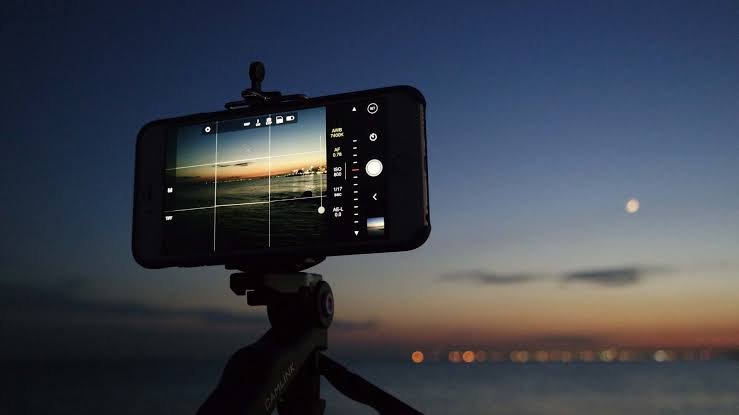
Optical image stabilisation steadies the lens during long exposures. Meanwhile, night mode captures several frames and merges the sharpest parts. Therefore, keep the phone still for the full countdown. A small tripod helps enormously in very dark places. Brace against a wall when no tripod is available.
Simple Habits for Better Night Photos
Clean the lens before every night session. Then tap the brightest subject to set focus and exposure. Additionally, avoid digital zoom at night whenever possible. Use the main camera first, since it has the largest sensor. Finally, shoot in RAW when your phone supports it.
In short, choose a large sensor, good stabilisation, and a proven night mode. Technique then does the rest.