When you first pick up a smartphone with a high-refresh-rate display, it’s nearly impossible to go back to a standard 60 Hz screen. Scrolling feels faster, animations feel smoother, and even everyday tasks like reading emails or browsing social feeds become noticeably more fluid. In 2025, Phones with high-refresh-rate screens have gone from a premium gaming perk to a core feature across flagships, mid-range devices, and even some budget models. This year’s crop of smartphones pushes the envelope, offering not just refresh rates of 120 Hz, but in some cases 165 Hz or higher — elevating both user experience and responsiveness in unprecedented ways.
In this review, we’ll explore the phones that stood out most this year, what makes high-refresh-rate screens special, and why they’re worth considering if you want the best blend of smooth visuals and everyday performance.
The Importance of High Refresh Rates in 2025.
Before we get into the specific models, it is worth explaining why high-rate phones have high-rate screens. The conventional smartphone screens update the picture on screen 60 times per second (60 Hz). Possessing a high refresh rate, i.e. 120 Hz, 144 Hz or even 165 Hz, phones refresh the image more often, and thus movement appears to be smoother. That translates into:
- Fluid scrolling between apps and web pages.
- Better responsiveness in a natural and immediate way.
- Improved gaming performance, particularly high-speed games.
- Improved response to swiping, dragging, or fast gestures.
These advantages are immediately apparent when you first swipe, and by 2025, manufacturers are pushing this technology even on mid-range and cheaper devices.
Flagship Displays That Lead the Pack.
The most interesting phones of the year include some of the best phones with high-refresh-rate screens, but they belong to classic flagship lineups, where the combination of the best displays and the best performance is made.
Samsung Galaxy S25 Ultra
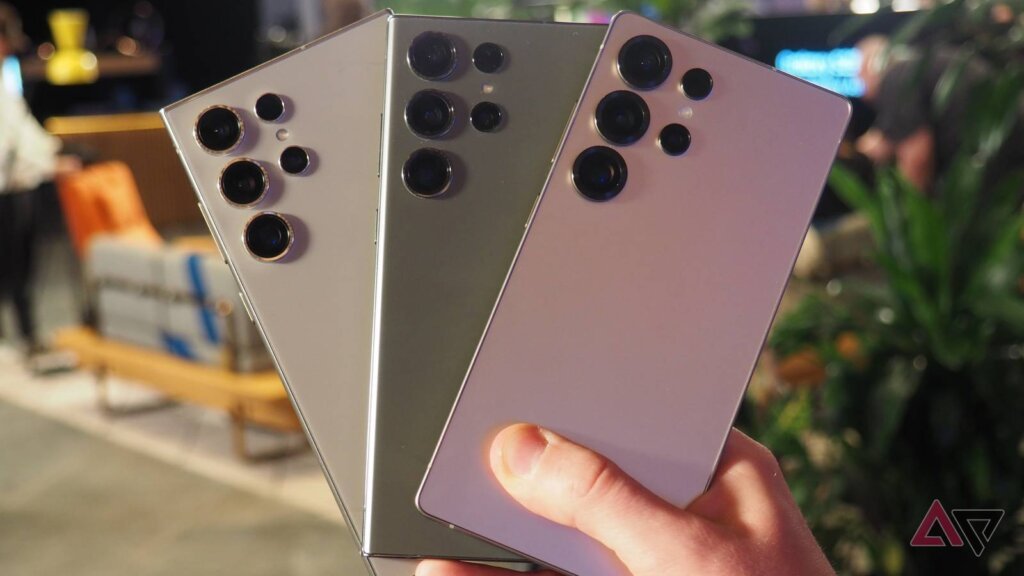
Samsung is still doing well with its Dynamic AMOLED displays. The display of the Galaxy S25 Ultra is a 6.8-inch QHD LTPO with 120 HZ adaptive refresh rate, which implies that the screen will switch between lower and higher refresh rates in accordance with battery savings where it can and maximum smoothness where it must. This dynamism has rendered animations butter smooth when playing games and changing between apps and subtle and efficient when you are reading or looking at non-moving content. This is one of the most aesthetically impressive high-refresh-rate displays in 2025, with high brightness, solid color accuracy, and exquisite HDR10+ support.
The reason as to why the S25 Ultra stands out among most of its rivals is not the 120 Hz refresh rate, but rather the fact that Samsung strikes the right balance between visual fluidity and battery conservatism, which is characteristic of a high quality display technology.
OnePlus 15 & OnePlus 15R
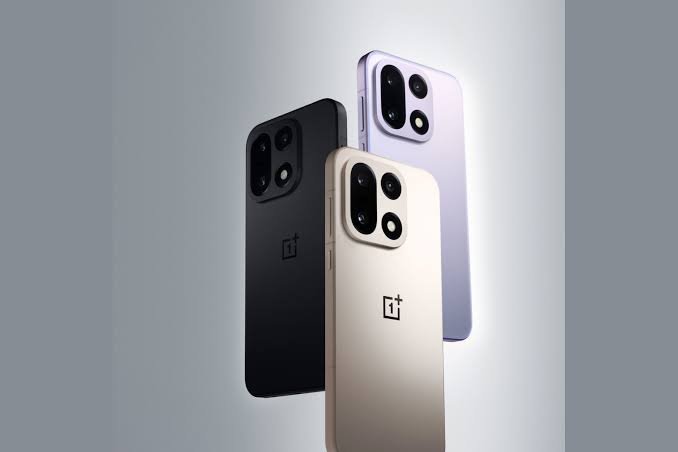
OnePlus has always been associated with seamless performance and now its screens demonstrate the priority. The OnePlus 15 has a 165 Hz refresh rate one of the highest rates you will see on any mainstream phone this year coupled with an excellent display brightness and color reproduction, which makes playing games and navigating the system to feel incredibly fast and smooth. According to recent reports, the next OnePlus 15R will also have this incredibly high refresh rate, which will introduce flagship-level smoothness to a device that will be slightly cheaper.
The difference of the OnePlus display is not only the sheer refresh rate but also the blend of touch response, adaptive frame rates and real-world performance combined to make everyday use both responsive and satisfactory.
Mid-Range Marvels: Smooth Displays Without the Flagship Price.
High refresh rates do not require flagship spending. By 2025, a great number of mid-tier phones will provide great high-refresh displays as well as other balanced capabilities such as great battery life and able-bodied cameras.
Samsung Galaxy M36 5G
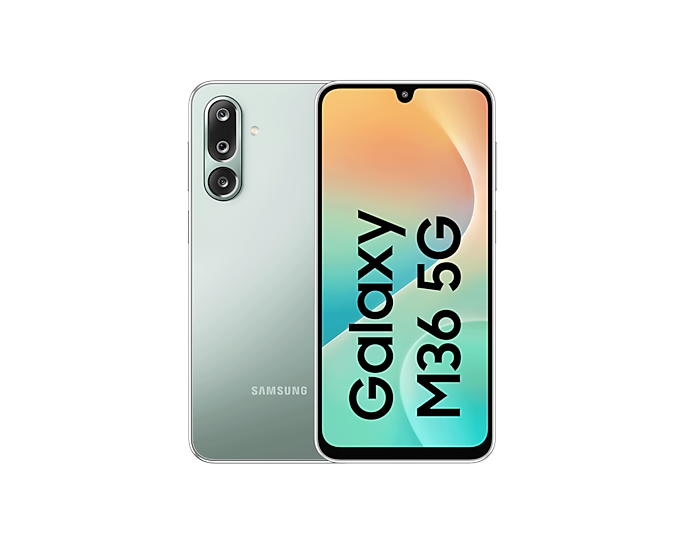
One of the brightest representatives of Samsung in the middle-range is the Galaxy M36 5G that has a Super AMOLED screen with a 120 Hz refresh rate, which is not very common at that price. This gadget demonstrates that the slick designs no longer belong to high-end flagships. Combined with a 8 GB of RAM (maximum) and 5000 mAh battery, 25 W of fast charging, the M36 is a good option in case you are willing to choose one of the best phones with high-refresh-rate screens without having to pay too much money.
Its AMOLED screen gives it rich colors and deep contrasts and it is a device that can be used to watch movies, browse and play games which makes it a real representation of state of the art visuals filtered down to more affordable markets.
iQOO Z10
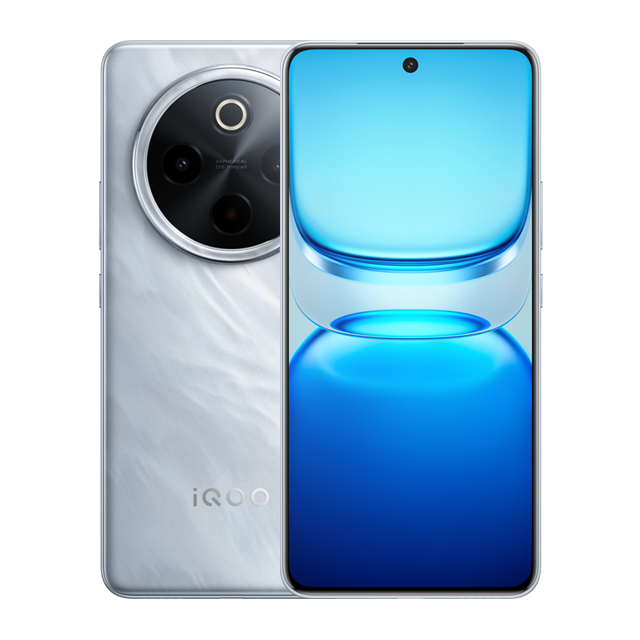
The iQOO Z10 is another mid-range competitor that has a bright and lively screen, accompanied by an impressive peak brightness of 120 Hz AMOLED. Although it is not as bright or colour-calibrated as flagship panels in absolute terms, it is very smooth and responsive. The large battery and powerful performance features make it worth using among students and casual gamers who like smooth graphics without necessarily spending a fortune.
Wikipedia
The most interesting aspect of phones such as the iQOO Z10 in 2025 will be their ability to have refined refresh rates and long battery life, which the initial models of high refresh rates could not achieve.
Notable Entries on the Horizon and Specialized Picks
Vivo Y400 and Vivo V50e
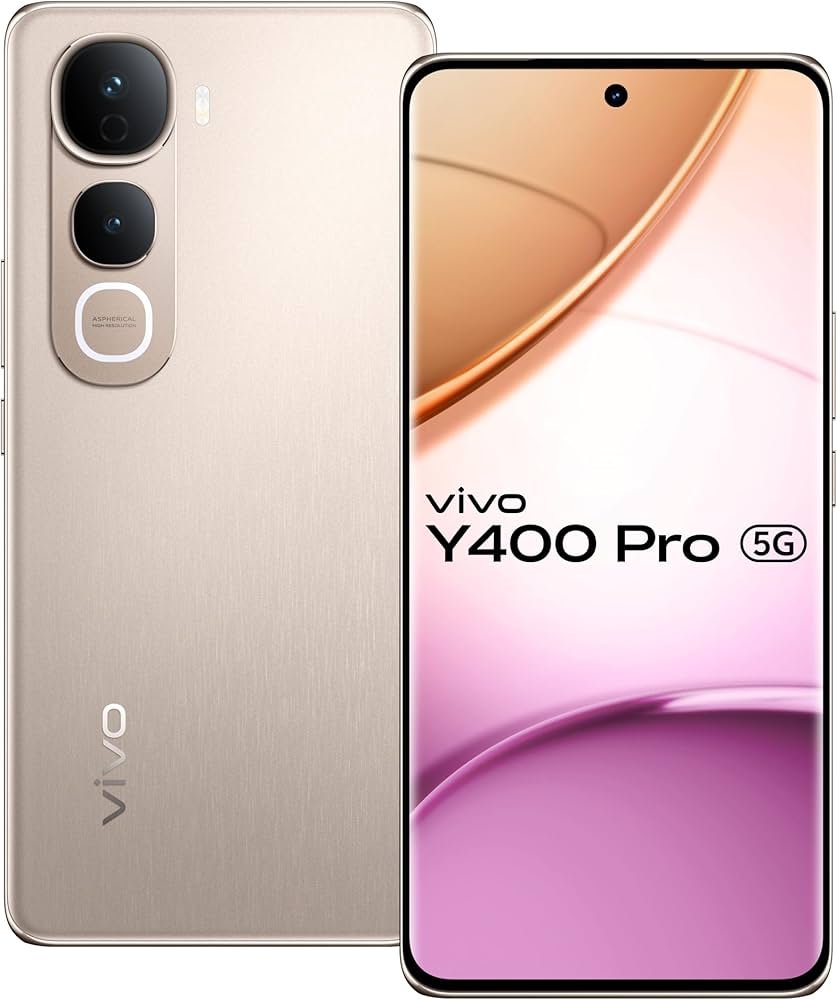
The Vivo Y400 and Vivo V50e also have 120 Hz AMOLED, as well as incorporating smooth motion with impactful colors and strong battery life. These gadgets depict the fact that high-refresh displays will become a standard feature in various levels of the smartphone market and not only luxury models.
These options are the best choice because of the combination of an extensive screen and higher refresh rates, which should allow users to consume a great deal of video or task-switch between applications during the day.
Beyond Refresh Rate.
Although refresh rate is a specification that is headlined, the actual difference is in its feel in everyday usage. Phones with high-refresh-rate screens do not scroll more smoothly, it alters your phone to react to your touch. Since you open the screen, to scrolling through social feeds, to scrolling menus, you feel a responsiveness that is more in line with high-end PCs and gaming gear than smart phones.
High refresh rates in gaming lead to a decrease in motion blur and an increase in the feeling of control. Rapid titles are more comfortable to play, and professional players tend to use 144 Hz or 165 Hz displays as they can receive more updates per second. Animations and UI transitions are more natural and less hitchy even when not in a game.
The trend is also to adopt the adaptive refresh rate technology (such as LTPO) which allows the screen to dynamically switch between low and high refresh rates to conserve battery when you are not in a state of high performance, such as when reading articles or looking at photos.
Conclusion: Why You Should Pay Attention to Refresh Rate in 2025.
At this point, you can understand that the high-refresh displays are not only marketing specifications. They enhance daily communication, assist in enhanced gaming, and make your smartphone look and react more like a modern one. By 2025, the bar has moved on a smooth experience – and being able to smoothly scroll, animate, and interact is no longer a luxury, but a basic requirement.
Whether you are buying a flagship, such as Samsung Galaxy S25 Ultra or OnePlus 15, or a cheaper mid-tier option such as Galaxy M36 5G or iQOO Z10, a high-refresh-rate display will improve your experience. And with more manufacturers providing these panels even in mid-range and more value devices, it is now more than ever that it is easy to enjoy the perks without paying a premium price.
To anyone purchasing a new phone in 2025, the question of paying attention to refresh rate is not about flashy specs, but rather having a device that feels fast on a daily basis.